
Olein
Description
Mode of action
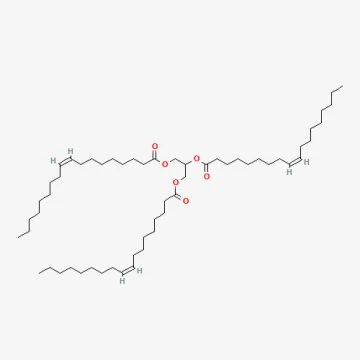
Olein (oleic acid and its derivatives) belongs to a group of fatty acids of plant or animal origin. When used in crop protection products, it acts as a contact-type active ingredient or a high-efficiency adjuvant that modifies the physical properties of the spray solution.
The mechanism of action for olein is based on physical interference with pests. Upon contact with an insect or mite, the substance forms a thin, oily film. This film blocks the spiracles (breathing pores), leading to the rapid death of the pest through asphyxiation.
Additionally, olein acts as a solvent for other active ingredients in complex formulations. It significantly improves the adhesion of the spray solution to the waxy cuticle of leaves, facilitating better penetration of pesticides into the plant tissues.
Since the substance lacks systemic action, its efficacy depends entirely on the coverage quality. It does not accumulate in plant tissues and undergoes rapid biodegradation in the environment under natural conditions.
Olein-based products are characterized by low toxicity to mammals, making them a valuable tool for organic farming. However, their performance is closely linked to ambient temperature and weather conditions during application.
What it targets
Olein and its formulations are primarily used to control a wide range of small pests with soft cuticles. These include all types of aphids, scale insects, false scale insects, various species of mites, and whiteflies.
This compound also effectively suppresses insect egg-laying due to its ovicidal properties. The oily film seals off the egg, preventing oxygen access to the embryo inside, which significantly reduces population density during early development stages.
In fungicide mixtures, olein is used to manage powdery mildew. It softens the protective outer shells of fungal spores, making them significantly more vulnerable to the primary fungicidal components of the mixture.
In intensive orchards, olein-based products are applied in early spring to eliminate overwintering stages of pests. This is particularly effective against scale insects that shelter under dense shields on tree bark.
- Aphids (all species)
- Spider mites
- Whiteflies
- Scale insects and false scale insects
- Powdery mildew (in mixtures)
Rates and timing
Application rates depend on the specific formulation and the crop being treated. Typically, working solutions have a concentration ranging from 0.5% to 2%. Complete and uniform wetting of the target surface is the most critical factor for success.
The timing of application depends on the pest's growth stage. To target overwintering pests, it is best to apply the product when temperatures are above +5°C, before active sap flow or during the initial bud burst stage.
For controlling active pests during the growing season, spray in the early morning or evening. Avoid application during the heat of the day, as the oily film under direct sunlight may cause localized leaf burn.
Treatment frequency varies from 7 to 14 days, depending on the speed of re-infestation. Because olein does not have long-lasting residual protection, repeat applications are often necessary for severe infestations.
The volume of spray solution must ensure full coverage of the tree canopy or the foliage of vegetable crops. Avoid excessive run-off, as this reduces the economic efficiency of the application.
Restrictions
The main limitation is the risk of phytotoxicity if concentrations are exceeded or if applied at temperatures above +25°C. Under such conditions, the oily film may hinder normal plant respiration.
Olein should not be mixed with sulfur or copper-based products unless explicitly recommended by the manufacturer. A 2-3 week interval between such treatments is required to prevent chemical damage to leaves.
Use caution when applying to young, actively growing leaves or fuzzy-leaved plants, as the oily base may linger too long and interfere with metabolic processes.
When preparing tank mixes, always dissolve the primary pesticide first, and add the olein component last while constantly agitating to ensure a stable emulsion is formed.
Although the substance has low toxicity to warm-blooded animals, standard personal protective equipment (gloves, goggles) should be worn during handling to prevent skin and eye irritation.
Status in the European Union
Not approved in the EU
EU status is for reference only and does not replace national registration in your country.