
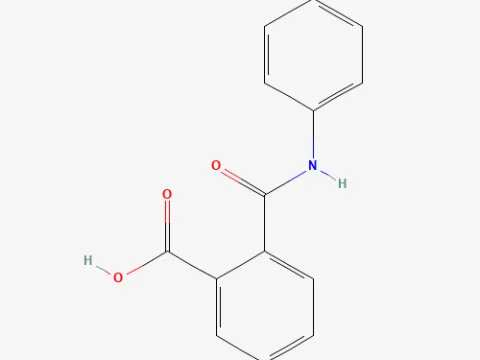
N-phenylphthalamic acid
N-phenylphthalamic acid belongs to the class of synthetic plant growth regulators that exhibit physiological properties similar to natural auxin-type hormones. The primary function of this compound is to optimize physiological processes within plant tissues during critical developmental stages.
What the section contains
N-phenylphthalamic acid
The mechanism of action involves the stimulation of plant metabolism and enzyme systems. By improving internal biochemical processes, the substance enables plants to utilize nutrients and moisture from the soil more efficiently, thereby fostering healthier growth.
This compound significantly enhances the plant's resilience to various abiotic stresses. It effectively helps crops mitigate the negative impacts of extreme temperatures, drought, and excessive moisture, maintaining cellular integrity during periods of environmental pressure.
It plays a crucial role in hormonal regulation during the flowering phase. By improving pollen viability and increasing the success rate of fertilization, the substance ensures better fruit set and helps prevent premature flower drop.
The substance functions as a systemic regulator when applied to vegetative parts. Upon absorption through the leaf surface, the active ingredient is translocated through the plant's vascular system, ensuring consistent physiological support throughout the entire plant.
The product is primarily used to increase the yield of vegetable, fruit, and berry crops. The main objective of its application is to maximize the number of fruit sets, ensuring a bountiful harvest even under suboptimal environmental conditions.
It is particularly effective for Solanaceae crops, such as tomatoes, peppers, and eggplants. Application of the substance helps ensure stable yields in greenhouse environments or during early planting seasons where temperature fluctuations are common.
The acid is also utilized in cereal crops to boost immunity and resilience during vital growth stages. This helps the plants endure adverse weather conditions, ultimately protecting the quality of the grain and ensuring the maintenance of yield potential.
In addition, it serves as a root system stimulant. Early application helps seedlings establish a strong root network, which is essential for rapid adaptation and efficient nutrient uptake immediately after transplanting.
- Improvement of fruit set percentages.
- Prevention of premature flower and ovary shedding.
- Acceleration of crop ripening processes.
- Enhancement of overall stress tolerance.
- Improvement of final product quality.
Application rates are determined based on the crop type and its specific growth stage. It is essential to follow the manufacturer's instructions strictly to prepare the working solution correctly and avoid potential physiological imbalances.
Spraying should be conducted during early morning or late evening hours to avoid intense sunlight. This minimizes evaporation and allows for optimal absorption of the active ingredient into the leaf surface.
Timing is critical for the product's effectiveness. The most significant benefits are achieved when the substance is applied during the early or mass flowering phases, as this is when the plant requires the most hormonal support to set the upcoming harvest.
The frequency of application is strictly regulated. Excessive use of growth regulators can lead to developmental abnormalities; therefore, it is advised to adhere to the recommended number of seasonal applications to ensure the best outcome.
When creating tank mixtures, compatibility testing with other pesticides is mandatory. It is generally advised to avoid mixing with strongly alkaline agents to prevent chemical neutralization and ensure the efficacy of the growth regulator.
Adherence to pre-harvest intervals is essential to ensure that any residual amounts of the active ingredient meet safety standards before the product reaches consumers. Always follow the guidelines specified for the particular crop.
Personnel handling the product must wear appropriate personal protective equipment, including gloves and masks. Although the substance is generally considered to have low toxicity to mammals, preventing direct contact is a necessary safety protocol.
Weather conditions during the time of application significantly affect the product's efficiency. Avoid application if precipitation is expected shortly after spraying, as rain can wash the compound off the leaves before it is absorbed.
Proper storage is vital to preserve the chemical integrity of the substance. It must be kept in a dry, cool, and well-ventilated area, away from children, animals, food, and feed products, in original, undamaged containers.
Do not use the product if it is expired or if the packaging is compromised. Improper storage can degrade the active ingredient, resulting in a loss of biological activity and reduced effectiveness in the field.