
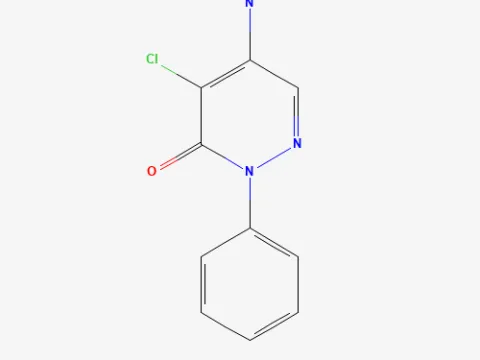
Chloridazon
Chloridazon belongs to the pyridazinone chemical class and acts as a selective systemic herbicide. Its primary function is the inhibition of photosynthesis within weed cells, which effectively halts the growth and development of target plants.
What the section contains
Chloridazon
The active ingredient is absorbed primarily through the root system, making it most effective in moist soil conditions. Once absorbed, chloridazon blocks electron transport in photosystem II, leading to a cessation of energy and carbohydrate production in weeds.
When applied pre-emergence, the herbicide creates a protective barrier in the topsoil layer, which prevents weed seeds from establishing. This creates a lasting protective effect during the early stages of crop development when the beets are most vulnerable.
Selectivity is achieved through the metabolic ability of beet crops to rapidly degrade the chloridazon molecules into harmless metabolites. This physiological trait allows for safe application within sugar, fodder, and red beet fields when following dosage regulations.
The speed of the phytotoxic effect is heavily dependent on soil moisture and weed metabolic activity. In drought conditions, soil-applied effectiveness may be limited, requiring adequate precipitation or irrigation to facilitate chemical uptake by the roots.
Chloridazon is utilized to control a wide range of annual broad-leaved weeds that are common in beet production areas. It is a key tool for growers aiming to maintain a weed-free field during the early stages of the crop lifecycle.
The primary target weeds for this active ingredient include several highly competitive species:
- Common lambsquarters (Chenopodium album)
- Redroot pigweed (Amaranthus retroflexus)
- Field mustard (Sinapis arvensis)
- Shepherd's purse (Capsella bursa-pastoris)
- Various knotweed species
Chloridazon has limited efficacy against perennial grasses and certain large-seeded broadleaf weeds. As a result, it is frequently used in tank mixtures with other herbicides to achieve a broad-spectrum control program tailored to specific field conditions.
The highest efficacy is reached when targeting weeds in the cotyledon to two-true-leaf growth stage. Treating weeds at this early point minimizes the competitive pressure on the beet crop, ensuring optimal nutrient and water availability.
Integrating chloridazon into the herbicide program reduces the need for frequent mechanical cultivation. This not only preserves soil structure but also minimizes the stress on young beet plants that mechanical tillage can sometimes cause.
Application rates for chloridazon are determined by soil texture and organic matter content. Soils with higher clay or humus content may require higher dosages, while light sandy soils necessitate lower rates to avoid potential crop injury.
Timing the application is crucial; it can be applied either pre-emergence or early post-emergence. Post-emergence treatments should be timed strictly with the developmental stage of the weeds to ensure maximum control with the lowest possible herbicide dose.
Tank mixing requires careful planning to ensure compatibility with other chemicals. Growers often combine chloridazon with desmedipham or phenmedipham to enhance the efficacy against specific weed species resistant to solo applications.
It is vital to monitor the growth stage of weeds continuously. If weeds surpass the two-leaf stage, the efficacy of the herbicide drops significantly, potentially leading to crop yield losses and the requirement for more expensive rescue treatments.
Application should ideally occur during cooler times of the day, such as early morning or late evening, to maximize chemical stability and absorption while minimizing the risk of heat stress on the beet crop.
Environmental conditions play a significant role in safe herbicide application. Application should be avoided when temperatures exceed 25-27 degrees Celsius, as heat stress increases the risk of crop phytotoxicity.
Users must strictly adhere to safety measures by wearing appropriate personal protective equipment. Chloridazon is known to cause irritation to skin and eyes, requiring careful handling and immediate washing in case of direct contact.
Environmental protection is paramount; run-off from treated fields into water bodies must be prevented. Chloridazon is considered toxic to aquatic organisms, and drainage management is necessary to comply with ecological standards.
Proper storage is required to maintain the chemical integrity of the product. The container must remain sealed and stored in a cool, dry area, far from the reach of children, domestic animals, and food supplies.
Equipment cleaning must be performed in designated areas to avoid contaminating ground water or non-target soil. Empty containers should be disposed of in accordance with local hazardous waste disposal regulations to protect the surrounding environment.