

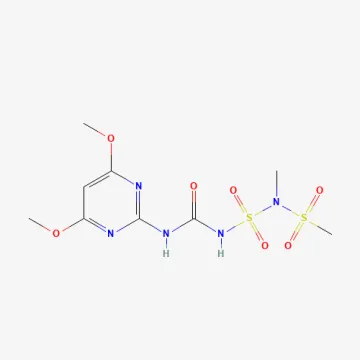
Description
Mode of action
Amidosulfuron belongs to the sulfonylurea chemical class and is a highly effective systemic herbicide with selective action. The substance penetrates the plant primarily through the leaves, moving rapidly through the xylem and phloem to active growth points.
The mechanism of action is based on inhibiting the acetolactate synthase (ALS) enzyme, which leads to a halt in the synthesis of essential amino acids — valine and isoleucine. This causes the cessation of cell division and metabolic processes in weed tissues.
After treatment, the growth of sensitive weeds stops almost immediately, within a few hours. The first visual signs of chlorosis and necrosis of the growth points appear a few days after application.
Complete weed death when using amidosulfuron-based preparations usually occurs within 10–20 days. The speed of the effect largely depends on weather conditions and the intensity of weed vegetation.
This substance has excellent selectivity for crops, as they can rapidly metabolize the active component into non-toxic compounds, ensuring safety for the fields.
What it targets
Amidosulfuron is used to control a wide range of broad-leaved weeds in cereal crops. It is most effective against problematic species often found in agricultural ecosystems.
The preparation successfully suppresses the following weed species:
- Galium aparine
- Chenopodium album
- Polygonum species
- Amaranthus
- Capsella bursa-pastoris
- Lamium
The agent demonstrates high biological activity even at low dosages, making it an economically profitable tool in intensive farming technologies. It is capable of controlling weeds that have exceeded the cotyledon stage.
Amidosulfuron is particularly valuable in fighting stubborn weeds that show resistance to other types of herbicides, such as hormone-based preparations.
The use of this substance helps to significantly reduce field weediness, preventing competition for nutrients and moisture between crops and weed vegetation.
Rates and timing
Amidosulfuron application rates vary depending on weed species composition and their growth stage. As a rule, concentrations of a few tens of grams of active ingredient per hectare are used in the field.
Optimal application times are during the period of active weed growth, when they are in the cotyledon to 2–4 true leaf stage. For Galium aparine, control is permissible even when they have grown to several whorls.
It is recommended to carry out treatment at air temperatures between +10 and +25 degrees Celsius. It is important to avoid applying the product at risk of night frosts or immediately after them, as this slows down metabolism in weeds.
The working solution should be distributed evenly over the leaf surface. The use of adjuvants can significantly increase the effectiveness of the active substance penetration into plant tissues.
A mandatory condition is the absence of precipitation for several hours after spraying. If rain is expected, the effectiveness of the preparation may decrease due to washing off the leaf surface.
Restrictions
When using amidosulfuron, it is important to consider crop rotation. Although the substance degrades relatively quickly in the soil, in some cases, caution should be exercised when planning to plant sensitive crops in the following year.
It is not recommended to carry out treatment if the crop is under stress due to drought, excessive moisture, pest or disease damage. In such conditions, the herbicide may cause temporary growth inhibition.
To prevent the development of weed resistance, it is necessary to rotate the use of preparations with different mechanisms of action. Using only sulfonylureas in the same field for many years is unacceptable.
When preparing tank mixtures, compatibility of amidosulfuron with other pesticides and micro-fertilizers should be checked to exclude the risk of chemical incompatibility or phytotoxicity.
When working with the preparation, strict adherence to safety measures is required: use personal protective equipment for respiration, skin, and eyes, and avoid spray drift onto neighboring sensitive crops.
Regulatory
Status in the European Union
Approved in the EU
- CAS number
- 120923-37-7
- Approved from
- 01.01.2009
- Approval until
- 30.11.2026
- ADI
- 0.2 mg/kg bw/day
- ARfD
- Not appl.
- AOEL
- 1.4 mg/kg bw/day
Hazard classification (CLP)
Aquatic Acute 1 - H400Aquatic Chronic 1 - H410
EU legislation
EU status is for reference only and does not replace national registration in your country.
Content graph
Connections · Amidosulfuron
Most often together:
Marketplace
Products · 13


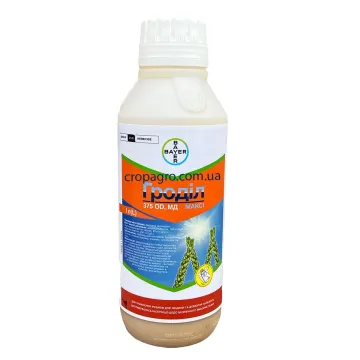


Rimax Plus 750
Фадер Альянс Лтд., Великобританія (Fader Alliance Ltd., England) на заводах Нідерландів, Польщі
Herbicides
0
0
·
54
1 offer
14.69 €per pack
Buy


