
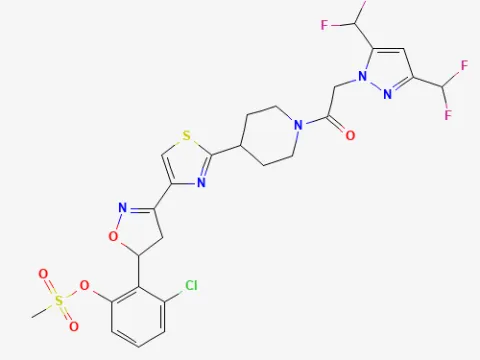
Fluoxapiprolin
Fluoxapiprolin is a pioneering active ingredient belonging to the piperidinyl-thiazole-isoxazoline chemical class. It represents a significant advancement in the field of crop protection, offering a novel mode of action against persistent fungal-like pathogens.
What the section contains
Fluoxapiprolin
The substance operates by inhibiting the oxysterol-binding protein (OSBP) in Oomycetes. This protein is essential for lipid transport within the pathogen's cells, and its disruption leads to a rapid and irreversible cessation of pathogen activity.
Fluoxapiprolin exhibits strong systemic activity, effectively moving within the plant to provide protection for both existing foliage and new growth. This mobility is crucial for maintaining control throughout the crop's development cycle.
The compound demonstrates both preventive and curative properties. It effectively stops the release of zoospores and prevents their germination, essentially halting the infection process before it can cause widespread damage.
Because it targets a specific protein not impacted by older fungicide classes, fluoxapiprolin is an excellent tool for managing resistance in integrated pest management programs, helping to sustain long-term disease control.
Fluoxapiprolin is specifically designed to combat a wide range of Oomycetes, which are responsible for some of the most devastating agricultural diseases globally. It is an essential component for protecting high-value crops.
The primary targets for this active ingredient include:
- Late blight in potatoes and tomatoes (Phytophthora infestans).
- Downy mildew in grapevines and various horticultural crops.
- Peronospora species in onions and leafy vegetables.
- Root and crown rot pathogens in sensitive vegetable production.
By effectively suppressing zoospore development, the substance prevents the rapid spread of infections, especially during wet, cool weather conditions that are typically ideal for pathogen proliferation.
Its efficacy helps maintain crop health and vitality, preventing the severe yield losses associated with uncontrolled Oomycete infections, thus securing better harvest results.
The product is highly valued for its ability to maintain crop quality by minimizing symptomatic damage on fruits, tubers, and leaves, meeting the strict standards of the food industry.
The application rates for fluoxapiprolin are dictated by the target crop, the specific disease pressure, and regional agricultural practices. It is often formulated as part of a pre-mixed product or used in tank mixes.
Timing is critical, with applications generally recommended before infection symptoms become widespread. Using the product proactively allows for the best exploitation of its unique biological activity.
Coverage is paramount when applying the fungicide. Ensuring that the solution is evenly distributed across the entire canopy is essential, particularly for crops with dense foliage like vineyards.
Adhering to the recommended spray intervals is important for optimizing the length of protection. These intervals can be adjusted based on environmental monitoring and the risk of new infection cycles.
In high-intensity farming, fluoxapiprolin is frequently rotated with other fungicide modes of action to ensure robust control and to mitigate the potential for resistant pathogen strains to develop.
Safety is a priority when working with fluoxapiprolin. Operators must follow all label instructions to ensure personal safety and to protect the surrounding environment from potential contamination.
Fluoxapiprolin is known to be toxic to aquatic life. Consequently, strict buffer zones must be maintained near water bodies, streams, and sensitive ecosystems to prevent drift or runoff into these areas.
Personal Protective Equipment (PPE) is mandatory during the mixing and application processes. Standard safety gear, such as gloves, chemical-resistant clothing, and goggles, should be worn to prevent dermal or respiratory exposure.
Pre-harvest intervals (PHI) must be strictly observed. These regulated waiting periods ensure that any residues on the crop break down to safe levels before the produce reaches consumers, ensuring food safety.
Storage should occur in a secure, dry, and well-ventilated area. Disposal of empty containers and any leftover product must strictly comply with local environmental regulations and waste management protocols.