
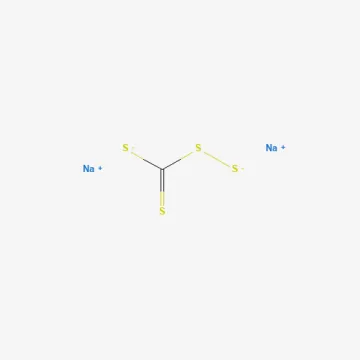
Sodium tetrathiocarbamate
Description
Mode of action
Tetrathiocarbamates are a chemical class of compounds derived from dithiocarbamic acid that serve as essential fungicides in modern agriculture. They are recognized for their robust ability to inhibit critical enzymatic pathways within fungal cells.
The mode of action involves the interaction of the active substance with sulfhydryl groups of fungal proteins and enzymes. This process disrupts the pathogen's cellular respiration, effectively halting mycelium growth and spore development.
These substances primarily function as contact pesticides, establishing a protective film on plant surfaces. This creates a chemical barrier that prevents pathogenic spores from germinating upon contact with the treated plant tissue.
A key advantage of this group is the low risk of developing resistance among pathogens. Due to their multi-site activity against fungal metabolism, these compounds remain highly effective for seasonal application programs.
Tetrathiocarbamates are frequently utilized in tank mixtures alongside systemic products. Their versatile nature allows them to complement other active ingredients, providing comprehensive and sustained crop protection throughout the growing season.
What it targets
This group of fungicides is effective against a broad spectrum of phytopathogens, including downy mildew, late blight, anthracnose, and various fungal leaf spot diseases.
They provide reliable protection for a wide variety of crops, including vegetables, fruits, vineyards, and field crops. Their activity covers various classes of fungi, notably oomycetes and ascomycetes, which are major threats to agricultural yields.
Application of these compounds is crucial for preventing infections during the vegetative stage and minimizing post-harvest decay. They play a vital role in maintaining the high market quality of agricultural produce.
These substances are highly valued for controlling primary inoculum levels in both open field and greenhouse conditions. By inhibiting initial infections, they significantly improve the overall phytosanitary status of the crop.
Due to their broad-spectrum effectiveness, tetrathiocarbamates are commonly chosen as a prophylactic measure. They ensure stable protection against various diseases, making them a cornerstone of integrated pest management strategies.
Rates and timing
Application rates for tetrathiocarbamate-based products are determined by the specific crop requirements and the prevailing disease pressure. Strict adherence to manufacturer recommendations ensures optimal efficacy and protection.
Timing of treatments should align with phenological crop stages and local weather forecasts. Ideally, spraying should be performed as a preventive measure before visible symptoms of disease emerge in the field.
Typical spray intervals range from 7 to 14 days, depending on environmental conditions and plant growth rates. During periods of heavy rainfall, re-application may be necessary as the protective film can be washed away.
Careful calculation of spray volume is essential to ensure thorough coverage of the entire plant canopy. Consistent application on both the upper and lower leaf surfaces is necessary for contact fungicides to perform correctly.
Adherence to pre-harvest intervals is mandatory to guarantee food safety. Farmers must ensure that the waiting period between the final treatment and crop harvest meets the established regulatory standards.
Restrictions
The primary limitation of tetrathiocarbamates is their contact-only activity, meaning that they do not translocate within the plant vascular system. Consequently, uniform spray distribution is critical for achieving full protection.
Safety precautions are essential when handling these chemicals. Operators must use appropriate personal protective equipment, including gloves, goggles, and respirators, to avoid skin contact and inhalation.
Avoid applying these fungicides during peak sun exposure or extreme heat to prevent potential phytotoxic effects or leaf burn. Early morning or late evening hours are considered the most appropriate for field application.
Storage must be conducted in original containers within secure, dry, and well-ventilated areas. Due to their toxicity to aquatic organisms, direct contamination of water bodies or drainage systems must be strictly avoided.
Always perform a compatibility test before mixing tetrathiocarbamates with other pesticides or adjuvants in the spray tank. Improper mixtures can lead to chemical degradation or reduced protection efficacy.
Status in the European Union
Not approved in the EU
- Category (EU)
- NE - Nematicide
EU status is for reference only and does not replace national registration in your country.