
Zerynthia
Zerynthia
Description
How to identify
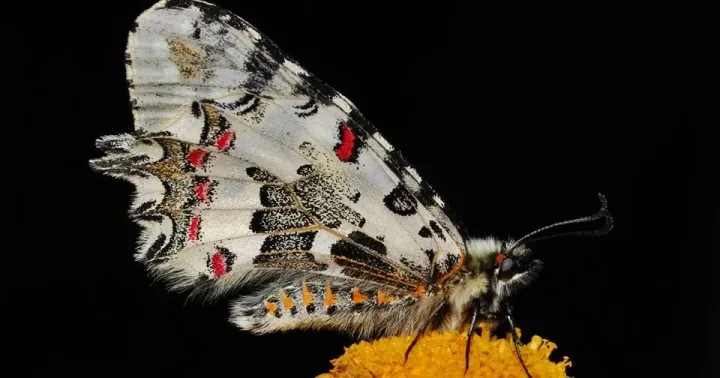
Zerynthia, commonly known as the Festoon butterfly, belongs to the family Papilionidae. The most prominent species is Zerynthia polyxena, widely distributed across parts of Europe and Asia.
Adult butterflies exhibit a striking wing pattern characterized by a yellow background with intricate black zigzag markings and red spots, which serve as a warning to potential predators.
The larvae are typically dark-colored, often featuring rows of small, fleshy tubercles or spikes. These larvae are specialized feeders, restricting their diet to host plants of the genus Aristolochia.
The pupae are highly specialized, attaching themselves to host plant stems with a silk girdle. Their cryptic, angular shape allows them to mimic dry plant debris effectively.
This genus is highly dependent on specific microclimates and the availability of their host plants, making them bio-indicators of environmental health in many ecosystems.
What it damages
The primary damage caused by Zerynthia larvae is the consumption of leaves on Aristolochia (Birthwort) species, which are often used in ornamental gardening.
Larvae feed by chewing leaf margins or creating large irregular holes, which can lead to complete defoliation if larvae density is high during peak season.
In ornamental settings, the loss of foliage negatively impacts the plant's aesthetic value and physiological vigor, slowing down the growth of climbing vines.
Young larvae initially graze on the leaf surface, while older instars consume entire leaf blades, leaving only the primary veins behind in severe cases.
Repeated stress from defoliation can weaken host plants, making them more susceptible to drought, nutritional deficiencies, and opportunistic pathogens.
When it appears
Zerynthia typically completes one life cycle per year. Adults emerge in early spring, usually between April and May, to mate and lay eggs.
The larval stage coincides with the rapid vegetative growth of Aristolochia species, ensuring high-quality nutrition for developing caterpillars.
Pupation occurs in late spring or early summer, and the pupae remain in diapause through the heat of summer and the cold of winter.
The timing of adult emergence is closely linked to temperature patterns; warm springs can lead to earlier flight periods, while cold springs may delay development.
Synchronization with host plant phenology is critical for the survival of the species, as larvae must be present during the peak foliage period.
Signs of infestation
The most visible signs of an infestation include ragged leaf margins and large, irregular holes scattered across the foliage of host plants.
Frass (larval droppings) accumulating on the leaves or the soil surface beneath the infested plant is a reliable indicator of active feeding activity.
A reduction in the overall density of the plant canopy or a general sickly appearance of the vine can suggest the presence of multiple larvae.
Careful inspection of the underside of the leaves often reveals the presence of larvae, which may be camouflaged by their coloration and position.
Pupae can sometimes be spotted on the lower stems or nearby structures, appearing as rigid, brownish, angular objects secured by a thread-like girdle.
Control measures
Many Zerynthia species are protected by regional conservation laws; therefore, indiscriminate use of broad-spectrum insecticides is strongly discouraged.
Mechanical control, such as hand-picking caterpillars from ornamental plants during the early morning, is the most effective and eco-friendly management strategy.
Maintaining plant health through adequate watering and fertilization helps the host plants recover more quickly from larval feeding damage.
If large-scale protection of specific ornamental plants is required, physical barriers like fine-mesh netting can prevent females from depositing eggs in the spring.
Integrated Pest Management (IPM) practices should be followed, focusing on non-chemical methods to protect the host plants while preserving local biodiversity.
Taxonomy
- Latin name
- Zerynthia
- Order
- Lepidoptera (butterflies)
- Family
- Papilionidae
- EPPO code
- ZERYSP
Discussion
No discussions yet — be the first.