
Graphium choredon
Graphium choredon
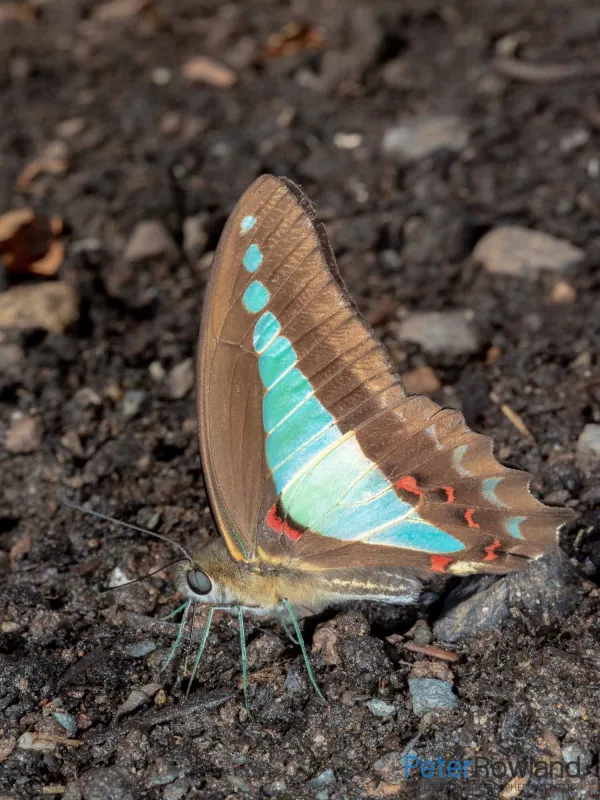
Description
How to identify
Graphium choredon belongs to the family Papilionidae (swallowtails), order Lepidoptera. The adult insect is a diurnal butterfly of medium size with a distinct wing pattern.
The wings feature a dark, almost black background adorned with greenish or whitish stripes or spots. The wing shape is elongated, characteristic of the genus Graphium.
The larvae possess a typical swallowtail appearance and are equipped with an osmeterium, a specialized organ used to deter predators when the larva feels threatened.
The life cycle undergoes complete metamorphosis, consisting of the egg, larva (caterpillar), pupa, and adult stages. The duration of each stage varies depending on ambient temperature.
Identifying the pest during the larval stage is difficult due to their excellent camouflage, which allows them to blend in seamlessly with the leaves of their host plant.
What it damages
Graphium choredon larvae are phytophagous and specialize in feeding on the vegetative parts of specific woody plants and shrubs within their natural range.
Significant damage occurs during the active growing season, as the larvae consume young leaves, which reduces the plant's overall photosynthetic capacity.
In cases of mass outbreaks, this pest can cause severe defoliation of new shoots, which negatively impacts the plant's development and long-term health.
Damaged branches become more susceptible to secondary infections by pathogens and show decreased resilience to adverse environmental conditions.
Economic damage is most critical in plant nurseries, where defoliation reduces the commercial value and vitality of decorative and fruit-bearing cultivars.
Signs of infestation
The first sign of infestation is the appearance of irregular, notched feeding patterns along the edges of the leaf blades, which become more pronounced over time.
The presence of larval frass (excrement) on the leaf surfaces or beneath the plant canopy is a clear indicator of active pest feeding in the area.
A thorough inspection of the undersides of leaves can reveal egg clusters or young larvae that have not yet begun to spread across the plant.
Leaf curling or the presence of silk strands used by the larvae to anchor themselves to the substrate are also reliable indicators of a pest infestation.
Because the larvae are often immobile during the day to mimic plant parts, detection requires a careful and systematic inspection of individual branches.
Control measures
Manual removal of caterpillars is a highly effective method for small gardens or when the pest population is low and detected early.
Biological control agents, specifically those based on Bacillus thuringiensis, provide effective management of larvae without harming beneficial insects in the ecosystem.
The application of systemic or contact insecticides is justified only when the pest population exceeds the economic injury level in commercial plantations.
Promoting natural predators, such as birds and predatory insects, is a sustainable way to keep pest populations in check throughout the growing season.
General horticultural practices, including proper pruning and maintaining plant vigor, help increase the natural resistance of host plants against various pests.
Taxonomy
- Latin name
- Graphium choredon
- Order
- Lepidoptera (butterflies)
- Family
- Papilionidae
- EPPO code
- GRFICH
Discussion
No discussions yet — be the first.