
Battus
Battus
Description
How to identify
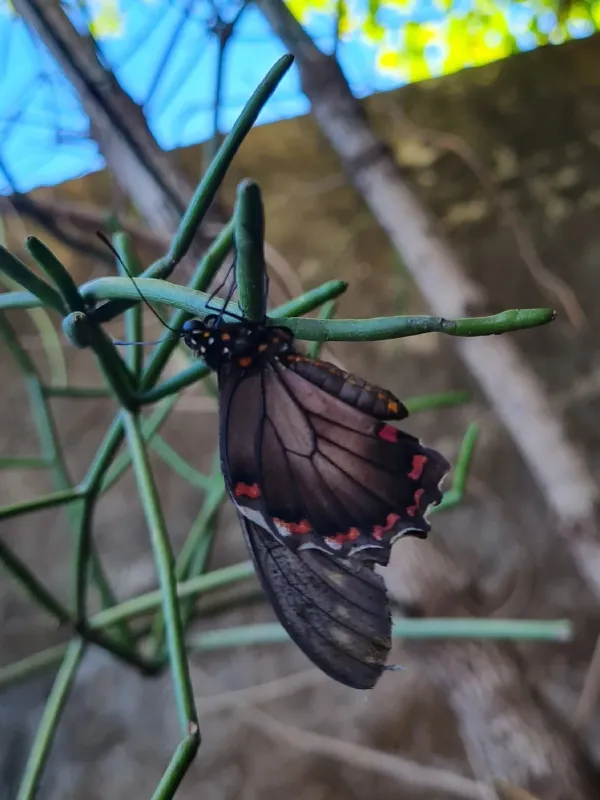
The genus Battus belongs to the Papilionidae family of butterflies. The most well-known species, Battus philenor (Pipevine Swallowtail), is easily identified by its dark wings with a distinct iridescent blue-green sheen.
The larvae, or caterpillars, are characterized by long, fleshy tubercles (osmeteria) along their bodies. They typically appear in shades of dark red, brown, or almost black, making them highly distinctive.
The life cycle encompasses four distinct stages: egg, larva, pupa, and adult. Females typically deposit their eggs in small clusters on the undersides of host plant leaves to ensure protection.
Overwintering occurs primarily at the pupal stage. The pupae are remarkably resilient, attaching themselves to branches or support structures with a silk girdle, allowing them to withstand harsh conditions.
Adults are diurnal and highly active during sunny weather. They are efficient pollinators, though their reproductive success is strictly dependent on the availability of specific host plants.
What it damages
Battus is a host-specific herbivore that feeds almost exclusively on plants within the Aristolochia genus. In garden settings, they can cause severe aesthetic and physiological damage to pipevine plants.
The caterpillars are voracious eaters. During their rapid growth phase, they can quickly defoliate entire sections of the plant, often leaving only the tougher veins behind.
Heavy infestations lead to significant loss of foliage. This stress compromises the plant's overall health, reducing its vigor, ability to overwinter successfully, and future flowering capacity.
Damage to apical buds inhibits upward vine growth. This is particularly problematic for gardeners relying on these plants for screens, trellises, or vertical landscaping purposes.
Furthermore, open wounds created by feeding larvae create entry points for opportunistic fungal pathogens, which can lead to localized branch dieback and further plant stress.
Signs of infestation
The first indication of a Battus infestation is the appearance of irregular holes in the leaves of Aristolochia, which expand rapidly as the larvae grow.
Frass (caterpillar excrement) accumulating on the ground beneath the plant or on the foliage itself is a reliable indicator that larvae are feeding in the canopy above.
Direct observation of the larvae is key. They often congregate on the undersides of leaves or along succulent stems, requiring a close, patient inspection to locate them.
Leaf curling or the presence of silk webbing, used by caterpillars during molting or when seeking shelter, often points to the active presence of the pest.
- Irregular holes in leaves.
- Presence of dark caterpillars with fleshy protuberances.
- Skeletonized leaf patches.
- Accumulated frass at the base of the plant.
Control measures
Hand-picking remains the most effective and eco-friendly method for managing Battus in home gardens. The best time for this is early morning when larvae are most visible.
Biological control using Bacillus thuringiensis (Bt) based sprays is highly effective. These treatments target the larvae selectively without harming beneficial pollinators or predators.
Sanitation is crucial: regularly prune back heavily damaged stems and clear away plant debris in the autumn to remove overwintering pupae from the area.
Avoid heavy chemical pesticides, as they often kill natural predators such as wasps and birds that help regulate the population naturally within the garden ecosystem.
Promote biodiversity in your garden to attract native birds and parasitic wasps, which act as primary natural regulators of Battus populations throughout the growing season.
Taxonomy
- Latin name
- Battus
- Order
- Lepidoptera (butterflies)
- Family
- Papilionidae
- EPPO code
- BATTSP
Discussion
No discussions yet — be the first.