
Eurytides
Eurytides
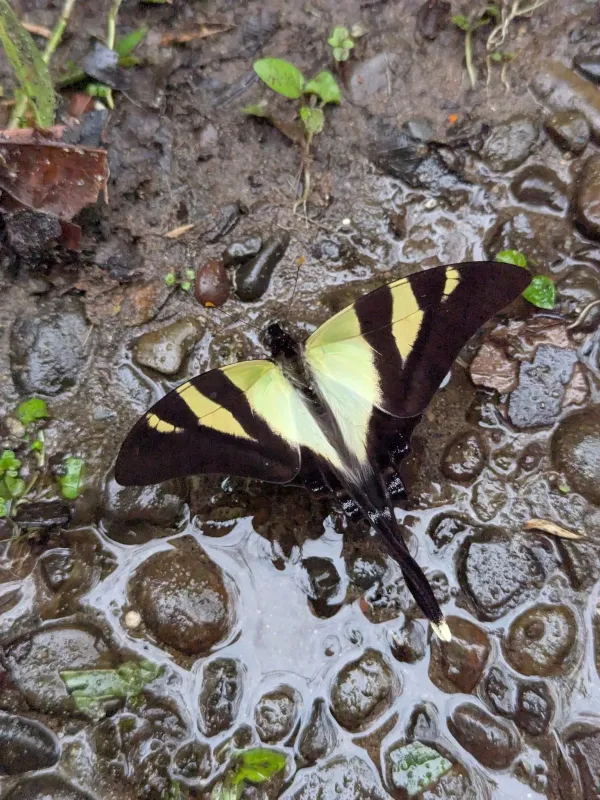
Description
How to identify
The genus Eurytides belongs to the Papilionidae family, order Lepidoptera. These swallowtail butterflies are easily identified by the elongated tails on their hindwings.
Adult butterflies have a wingspan ranging from 60 to 100 mm, featuring distinctive patterns often composed of white, black, and yellow stripes.
Larvae are equipped with an osmeterium, a fleshy, Y-shaped organ behind the head that is everted when the caterpillar feels threatened to emit a pungent odor.
Pupae usually attach themselves to stems using a silk girdle, mimicking twigs or plant parts to avoid detection by predators.
Biological development is closely tied to tropical and subtropical environments where they sustain multiple generations throughout the year.
What it damages
Damage is primarily caused by caterpillars feeding on foliage of host plants, particularly within the Annonaceae family and certain fruit-bearing species.
In nursery settings, butterflies deposit eggs on saplings, which leads to localized defoliation once the larvae hatch and start feeding.
Young caterpillars often skeletonize leaves, leaving only the primary veins, which significantly impacts the plant's ability to undergo photosynthesis.
Mature caterpillars are capable of consuming entire leaves, potentially causing severe stress to the plant and reducing total harvest yield.
Heavy infestations can lead to stunted growth and reduced vigor in young plants, making them more susceptible to subsequent environmental stress.
When it appears
Activity patterns are strictly dependent on temperature and moisture levels, with peak breeding occurring during the hottest and wettest months.
Adults emerge in early spring and remain active until late autumn, completing several generations depending on the regional climate.
The life cycle from egg to adult is relatively fast, typically taking about 4 to 6 weeks, allowing for rapid population surges in favorable seasons.
Agricultural crops are at greatest risk during mid-summer when caterpillar population densities reach their maximum levels in the field.
Overwintering occurs at the pupal stage, with the insects remaining in sheltered areas on host plants or nearby organic debris.
Signs of infestation
Detection is straightforward by looking for irregularly notched or eaten edges on the leaves of host plants.
- Presence of dark-colored frass (droppings) on the leaves and soil surface below the plant.
- Visible brightly colored larvae feeding on the underside of leaves during the day.
- Leaf rolling or folding, where young caterpillars hide to escape detection or environmental stress.
- A distinct, pungent, chemical odor emanating from caterpillars when they are touched or disturbed.
Frequent presence of adult butterflies hovering around susceptible host plants is often a precursor to heavy larval infestations.
Control measures
Management strategies should integrate mechanical, biological, and chemical interventions to maintain population levels below economic thresholds.
Manual removal of caterpillars is highly recommended for small-scale plantings or home gardens to avoid unnecessary chemical applications.
Biological control using Bacillus thuringiensis sprays is an effective, environmentally friendly way to manage larval populations without harming pollinators.
Chemical intervention should be reserved for high-pressure infestations, ensuring the use of selective insecticides to minimize impact on beneficial insects.
Sanitation practices, such as pruning infected foliage and removing infested plant debris, significantly reduce the number of pupae surviving into the next season.
Taxonomy
- Latin name
- Eurytides
- Order
- Lepidoptera (butterflies)
- Family
- Papilionidae
- EPPO code
- ERYDSP
Discussion
No discussions yet — be the first.