
Graphium
Graphium
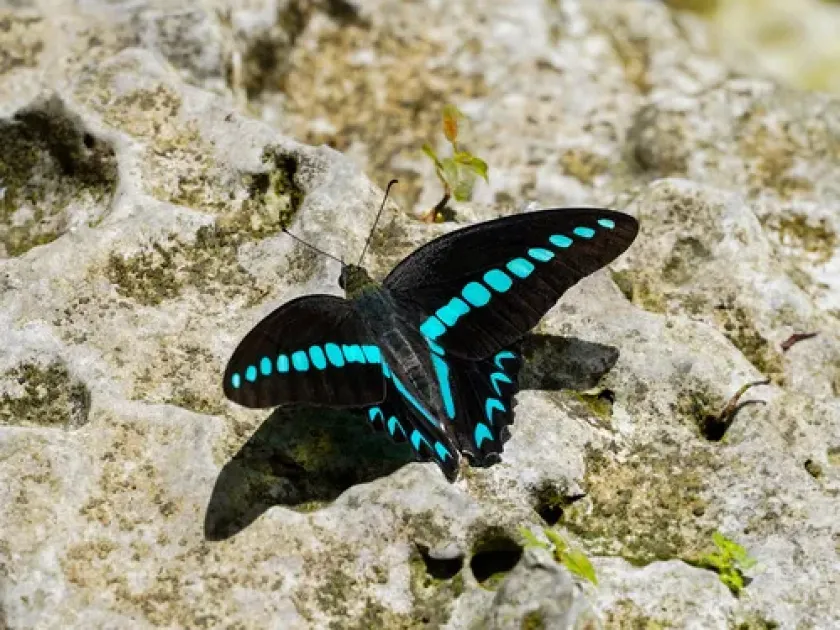
Description
How to identify
Graphium is a genus of butterflies within the Papilionidae family, known for their specific larval stages that can act as pests on various tree species. While the adults are often appreciated for their aesthetic value, the larvae can cause significant damage to orchards.
The larvae, or caterpillars, are the primary stage responsible for vegetation loss. They possess distinct morphological traits, including cryptic coloration, which allows them to blend in with foliage, making them difficult to detect until substantial damage has occurred.
Taxonomically, these insects belong to the order Lepidoptera. Their life cycle is deeply intertwined with the phenology of their host plants, which dictates their emergence and feeding patterns during the growing season.
Identification is best achieved by inspecting the underside of leaves and branch tips during the spring and early summer. Early detection is crucial, as larval feeding rates increase exponentially as they approach their final instar stages.
Professional agronomists recommend monitoring the density of larvae per branch to determine if intervention is necessary. Accurate identification of the species ensures that the appropriate control measures are selected to minimize non-target impact.
What it damages
Graphium larvae are known to feed on a range of host plants, particularly within the Rosaceae family. Fruit trees such as apples, pears, and cherries are most frequently affected, suffering from localized or widespread foliage loss.
The feeding behavior involves skeletonizing or consuming entire leaf blades, which disrupts the photosynthetic capacity of the trees. This loss of vitality directly impacts the tree's ability to produce high-quality fruits and store energy for the subsequent year.
Severe infestations can lead to stunted shoot growth, which is particularly detrimental to young orchards that require rapid canopy development. The stress caused by defoliation also leaves the trees vulnerable to secondary pathogen infections.
In nursery settings, the damage caused by Graphium can ruin the marketability of young saplings, causing significant economic losses for growers. Protecting the integrity of the foliage is essential for the long-term health of the nursery stock.
The economic impact is a result of reduced crop yields and the increased expenditure required for remediation and pest management. Proper scouting and early action are the most cost-effective ways to manage this pest.
When it appears
The activity of Graphium is highly seasonal and synchronized with the onset of spring. Adults typically emerge when weather conditions are favorable, and the trees have developed sufficient foliage to support the next generation of larvae.
The larvae are most active during the late spring and early summer months. This period coincides with the time when trees are most sensitive to foliage loss, as they are actively developing fruits and new vegetative growth.
Depending on the climatic zone, the pest may complete one or several generations per year. Multiple generations can lead to a sustained pressure on orchards throughout the summer, necessitating ongoing monitoring.
The overwintering stage usually takes place as a pupa, sheltered within the crevices of tree bark or within leaf litter. This allows the insect to survive winter cold, re-emerging as an adult once temperatures rise again.
Monitoring efforts should intensify during the period of bud break and early leaf development. Understanding local phenology helps agronomists predict the peak emergence times, allowing for well-timed management actions.
Control measures
Effective management of Graphium requires an integrated pest management (IPM) approach that balances ecological safety with the protection of commercial crops.
- Cultural practices: Pruning to improve airflow and reduce hiding places for larvae.
- Biological control: Encouraging natural predators like birds and parasitic wasps in the orchard.
- Mechanical removal: Hand-picking larvae from small, susceptible trees.
- Biorational products: Using Bacillus thuringiensis (Bt) sprays for targeted larval control.
- Chemical intervention: Utilizing registered insecticides strictly when economic thresholds are exceeded.
When chemical control is necessary, it is vital to select products that are selective and safe for beneficial pollinators. Proper timing, coinciding with early instar stages, ensures the highest efficacy while minimizing the volume of chemicals used.
Regular monitoring after the treatment is mandatory to assess the effectiveness and determine if follow-up actions are required. Rotating insecticide modes of action is a critical strategy to prevent the development of resistance.
Finally, orchard hygiene, including the removal of infested debris and wintering sites, helps to lower the initial population density for the following year. Consistent maintenance practices form the backbone of successful long-term pest management.
Taxonomy
- Latin name
- Graphium
- Order
- Lepidoptera (butterflies)
- Family
- Papilionidae
- EPPO code
- GRFISP
Discussion
No discussions yet — be the first.