
Zermizinga
Zermizinga
Description
How to identify
Zermizinga is a genus of insects belonging to the order Lepidoptera, family Geometridae. These moths are characterized by nocturnal activity and specific morphological traits typical for the family.
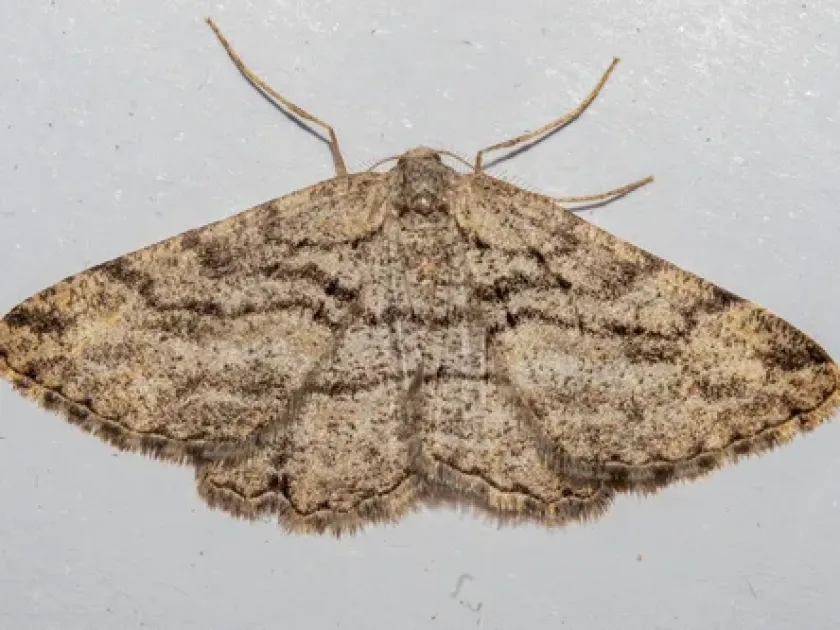
Adult moths possess camouflage coloring that allows them to blend in with bark or dry vegetation. Their bodies are covered in fine hairs, a common physical feature within this taxonomic group.
The larvae, known as caterpillars, have a cylindrical body shape with well-developed thoracic legs. The color of the larvae often varies depending on their age and the specific host plant they are feeding on.
Precise identification of species within this genus usually requires an analysis of genital structures by specialists. In the field, identification remains difficult due to high variability in appearance.
Systematically, the genus is placed in the subfamily Ennominae. Morphological research into wing patterns and venation allows for the classification of species within the genus.
What it damages
The primary host plants for Zermizinga include members of the Rosaceae family, as well as various other woody trees and shrubs. Larvae cause significant damage by feeding on green plant tissues.
The most severe damage occurs during the peak growth period of young shoots, where caterpillars consume leaves, often leaving only the skeletal veins behind. This significantly impairs photosynthesis.
During mass outbreaks, this pest can cause total defoliation of large areas. This process weakens the trees, leaving them vulnerable to secondary infections and opportunistic pests.
Damage to buds and young inflorescences in spring has a direct negative impact on fruit yield. Significant leaf loss reduces the tree's ability to store nutrients for overwintering.
The economic impact of this pest is determined by the population's potential for rapid growth under favorable environmental conditions, requiring constant monitoring by agronomists.
When it appears
The lifecycle of Zermizinga is closely linked to the phenological stages of host trees. The adult moths are primarily active during twilight and nighttime hours.
The hatching of larvae from overwintered eggs typically coincides with the budding phase of trees. This is a critical window for implementing pest management strategies.
The larvae progress through several instars, each characterized by intensive feeding. Pupation usually occurs in the soil or within crevices of tree bark until the emergence of the adults.
The number of generations per year varies by climatic region, although a single generation is the most common pattern. Seasonal temperature fluctuations significantly affect the timing of pest emergence.
Monitoring adult populations using pheromone or light traps is a standard procedure that helps agronomists determine the optimal timing for control measures.
Signs of infestation
The first sign of infestation includes characteristic "windows" or small holes on the edges of young leaves. As the larvae grow, these areas expand to cover the entire leaf surface.
The presence of frass (larval excrement) on leaves and beneath the canopy is a clear indicator of active feeding. This is a vital metric for assessing population density early on.
Deformation of young shoots and curled leaves are also common symptoms. Larvae often use silk webbing to anchor themselves to leaves, which provides stability during windy conditions.
During mass infestations, one may notice a specific rustling sound within the canopy, produced by the larvae consuming plant tissue. Adult moths can often be spotted near lights at night.
Winter inspections of tree trunks can reveal egg masses, which are the main source of the pest population spreading for the following season.
Control measures
Agrotechnical methods include clearing tree trunks of dead bark and destroying plant debris. This reduces the number of suitable overwintering sites for the pest.
Biological control relies on the use of natural enemies, such as ichneumonid wasps, which naturally suppress larval populations in many environments.
- Application of biological insecticides based on Bacillus thuringiensis.
- Use of systemic or contact-stomach insecticides when the economic threshold is exceeded.
- Deployment of light traps for trapping and population assessment.
Chemical control must be managed strictly according to safety protocols and pre-harvest intervals. Alternating between different chemical classes is essential to prevent resistance.
Attracting insectivorous birds to orchards via nesting boxes is an effective long-term method for managing Zermizinga larvae and pupae naturally.
Taxonomy
- Latin name
- Zermizinga
- Order
- Lepidoptera (butterflies)
- Family
- Geometridae
- EPPO code
- ZERMSP
Discussion
No discussions yet — be the first.