
Zanna
Zanna
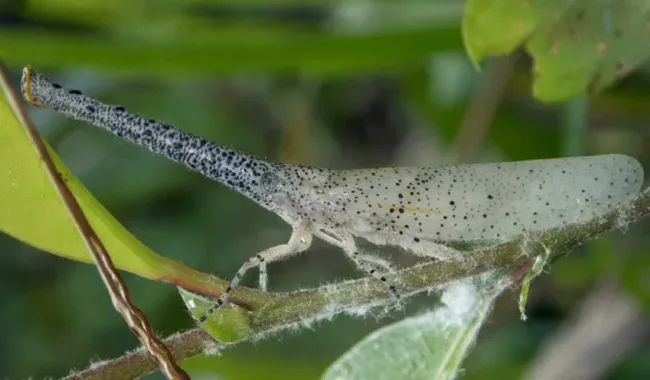
Description
How to identify
Zanna is a genus of large insects belonging to the family Fulgoridae, within the order Hemiptera. These insects are characterized by their distinct cephalic process, which often resembles a snout, and their cryptic coloration that mimics tree bark to avoid detection by predators.
The adult insects are significant in size for their order and are often coated with a white, waxy secretion. This substance serves as a physical barrier against desiccation and environmental stressors in their native tropical habitats in Africa and parts of Asia.
Systematically, they are classified as planthoppers, which rely on specialized mouthparts to feed on the phloem sap of various tree species. Their sedentary nature as adults makes them highly specialized inhabitants of forest and plantation ecosystems.
The lifecycle of Zanna involves a gradual metamorphosis where nymphs undergo several molts before reaching the adult stage. The nymphs are often found congregating in sheltered areas of tree trunks, protected by the structural complexity of the bark.
Understanding the biology of these insects is essential for orchard management, especially in regions where they have been observed to colonize economically important crops such as cocoa or coffee plants at scale.
What it damages
These insects primarily damage woody plants by piercing the bark and feeding on the sap stored in the vascular tissues. This feeding behavior diverts nutrients away from the plant’s growth centers, leading to reduced vitality and overall decline in crop yield.
Signs of infestation
Signs of infestation include the presence of adult insects or nymphs on the trunks and main branches. These areas often show sticky residues from honeydew, which acts as a substrate for sooty mold growth, darkening the affected bark surfaces.
The bark may also exhibit lesions or sunken spots where the insects have repeatedly fed. In severe cases, the depletion of sap causes wilting of leaves and thinning of the canopy, which is a clear indicator of a significant underlying infestation.
Control measures
Control strategies for Zanna involve manual inspection and physical removal of egg masses and clusters from the bark. Keeping plantation trunks clean and removing excess moss or lichen can significantly reduce the available habitats for these insects.
Chemical control should be considered as a last resort, using targeted systemic insecticides that minimize harm to non-target pollinators and beneficial predators. Integrated Pest Management (IPM) practices, including the preservation of natural enemies, are highly recommended to keep populations in check.
Taxonomy
- Latin name
- Zanna
- Order
- Hemiptera (bugs, aphids, leafhoppers)
- Family
- Fulgoridae
- EPPO code
- ZANNSP
Discussion
No discussions yet — be the first.