
Asarcopus
Asarcopus
Description
How to identify
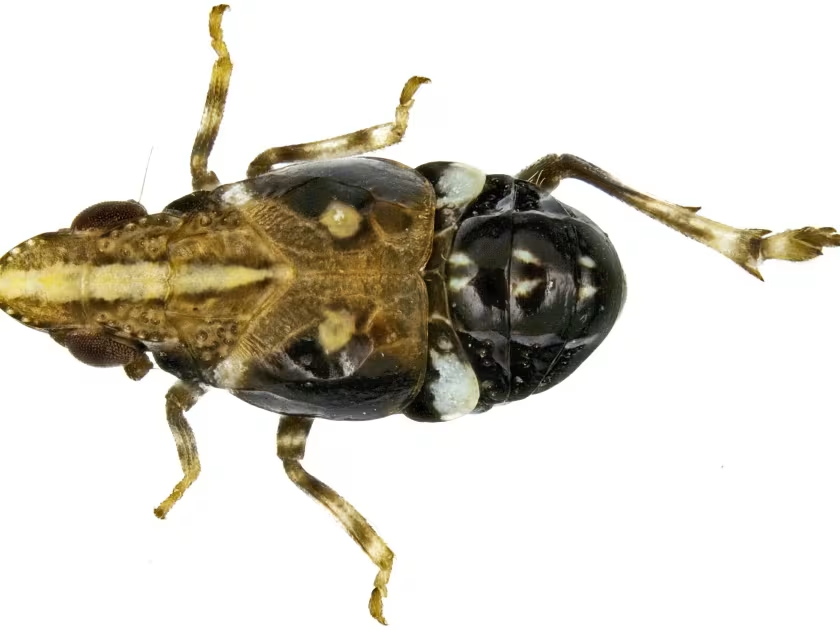
Asarcopus is a genus belonging to the order Hemiptera, family Cixiidae. These small insects are often overlooked due to their diminutive size and cryptic lifestyle within plant habitats.
The adult insect displays typical characteristics of planthoppers, including developed wings for movement and piercing-sucking mouthparts. The body usually features cryptic coloration that blends with the host plant.
The nymphs undergo several developmental stages through incomplete metamorphosis. They typically reside in sheltered areas, such as the base of the plant or the underside of leaves, which makes early detection challenging.
The biology of this species is tied to specialized feeding. Both adults and nymphs are phytophagous, feeding on plant sap, which depletes the host plant's vital resources and leads to overall physiological decline.
Accurate identification of Asarcopus often requires microscopic examination of morphological traits, as the genus may contain multiple species that share similar visual characteristics in the field.
What it damages
The primary hosts of Asarcopus are members of the Arecaceae family, most notably the date palm. Damage is frequently observed in regions where these crops are grown commercially.
The pest attacks the vegetative parts of the plant. During periods of high population density, these insects can cause significant damage to plantations, reducing both the productivity and the aesthetic quality of the trees.
Young seedlings are particularly vulnerable. Continuous sap-sucking interferes with the plant's metabolism, leaving the tree weakened and susceptible to secondary infections, including fungal pathogens.
In large-scale agricultural settings with high planting density, Asarcopus can spread rapidly between neighboring trees, establishing localized infestation centers that are difficult to manage.
The economic impact of this pest stems from direct fruit production losses and the increased operational costs associated with implementing necessary control measures to protect valuable palm stocks.
Signs of infestation
The primary symptom of an infestation is general plant decline, characterized by stunted shoot growth, curled leaves, and premature yellowing due to the loss of nutrients.
During inspections, one may find signs of insect activity on the underside of leaves and within leaf axils. The presence of sooty mold, which grows on the honeydew excreted by the insects, is a common secondary indicator.
The accumulation of exuviae (shed nymphal skins) on trunks or leaves is a reliable sign of an actively growing population within the crop canopy.
Damaged tissue may become deformed over time. Severe infestations often lead to the desiccation of individual fronds, which significantly lowers the plant's vitality and market value.
For population monitoring, specialists frequently deploy yellow sticky traps, which attract adult insects and allow for the quantitative assessment of infestation levels during the early stages.
Control measures
Effective pest management involves the use of systemic insecticides, which are absorbed by plant tissues and provide targeted control against sap-sucking insects during feeding.
Cultural practices are essential; timely pruning of dead foliage and the removal of heavily infested plant parts help to significantly reduce the overall population density within the orchard.
Biological control methods involve the use of natural enemies, such as predators or entomopathogenic fungi, which help regulate population growth in more sustainable production systems.
Preventative applications, timed to coincide with the hatching of nymphs from eggs, are crucial for preventing large-scale outbreaks and minimizing the long-term impact on the plantation.
- Regular monitoring of palm plantings.
- Use of systemic insecticides such as imidacloprid.
- Maintenance of optimal hydration to improve tree resistance.
- Sanitary pruning of damaged plant components.
Taxonomy
- Latin name
- Asarcopus
- Order
- Hemiptera (bugs, aphids, leafhoppers)
- Family
- Fulgoridae
- EPPO code
- ASARSP
Discussion
No discussions yet — be the first.