
Xylocoris vicarius
Xylocoris vicarius
Description
How to identify
Xylocoris vicarius belongs to the order Hemiptera and the family Anthocoridae (minute pirate bugs). While these insects are traditionally known as beneficial predators, they exhibit facultative phytophagy, meaning they can consume plant sap when prey is scarce.
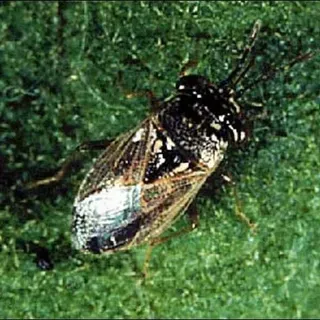
Adult insects are typically 2-3 mm long with a dark-brown or blackish body. They are equipped with fully functional wings, enabling them to migrate across large agricultural landscapes effectively to track down their prey or suitable habitats.
The life cycle includes an egg stage, several nymphal instars, and the adult stage. Nymphs resemble miniature versions of the adults but lack wings and have different coloration, becoming darker as they mature through the stages.
They possess a piercing-sucking mouthpart, which is highly specialized. In the predatory phase, this allows them to extract fluids from aphids, thrips, and mites, but in the phytophagous phase, it is used to pierce plant tissue.
Their distribution is global, but they are most commonly found in cereal crops, legumes, and various greenhouses, often occurring in dense colonies where their primary prey is abundant.
What it damages
The primary concern regarding Xylocoris vicarius arises when their population density outstrips the available insect prey. Under these conditions, they turn their attention to the crops themselves, causing physiological damage.
Damage occurs on leaves, stems, and specifically on the developing kernels of grain crops. The insects pierce the plant surface to extract sap, leading to localized cell death and the formation of necrotic spots.
Feeding on reproductive organs during the flowering and grain-filling stages is the most destructive aspect of their activity. It leads to poor grain development, shriveled kernels, and a significant reduction in overall yield.
Mechanical injuries caused by the bugs act as entry points for phytopathogenic fungi and bacteria, which can lead to further loss of grain quality and even plant disease outbreaks.
At high infestation levels, the visual symptoms include chlorosis, stunting, and premature wilting of the plants. The cumulative effect of these small injuries can drastically reduce the commercial value of the harvest.
When it appears
The seasonal activity begins in early spring as temperatures rise, allowing the overwintered adults to become active. They typically colonize emerging crops in search of both moisture and initial prey populations.
Throughout the growing season, multiple generations may occur depending on the local climate and resource availability. Warmer weather accelerates their reproductive cycle, potentially leading to rapid population growth by mid-summer.
The peak activity often coincides with the critical periods of crop development, specifically during grain filling. During this time, the pressure from these insects on the crop can be at its highest.
Overwintering occurs as adults, seeking shelter in plant debris, bark, or leaf litter near the edges of fields. These micro-habitats provide sufficient protection from harsh winter temperatures.
As autumn arrives, the insects reduce their activity and prepare for diapause, seeking out safe overwintering sites before the first frost, ensuring their survival until the next spring.
Signs of infestation
Visual identification starts with the presence of small, yellowish, or whitish necrotic spots on the foliage. These marks are direct evidence of the insects piercing the leaf tissue with their stylets.
Close inspection of the underside of leaves and inside leaf sheaths often reveals the presence of adult bugs or nymphs. They are generally shy and move quickly when disturbed, which can make detection difficult.
Empty or poorly filled spikes in wheat or corn are indicative of damage during the grain development phase. Farmers should look for these signs especially if the crop is stressed or drought-affected.
A sudden decline in aphid populations accompanied by plant wilting is a classic, albeit counter-intuitive, sign of Xylocoris vicarius activity. It suggests the predators have exhausted their food supply and shifted to the host plant.
The use of sticky traps or sweeping nets is the most effective way to quantify the presence of the pest and to distinguish its activity from other localized plant diseases or nutrient deficiencies.
Control measures
Integrated Pest Management (IPM) is essential. Because these insects are natural predators of many major pests, indiscriminate use of broad-spectrum insecticides can backfire by eliminating beneficial organisms.
Cultural control measures include removing plant debris and managing weeds along field borders, which effectively reduces the number of overwintering sites available to the population.
Chemical intervention should be considered only when the economic injury level is exceeded. Selectivity is key; using products that spare natural predators is highly recommended to maintain the long-term balance of the ecosystem.
Crop rotation and proper planting schedules can disrupt the life cycle of the pest, making it more difficult for them to establish persistent populations within a specific field year after year.
Regular field scouting, particularly during flowering and grain filling, allows for informed decision-making. By identifying the pest early, growers can implement targeted measures that protect both the yield and the beneficial predator population.
Taxonomy
- Latin name
- Xylocoris vicarius
- Order
- Hemiptera (bugs, aphids, leafhoppers)
- Family
- Anthocoridae
- EPPO code
- XYOCVI
Discussion
No discussions yet — be the first.