
Xylocoris galactinus
Xylocoris galactinus
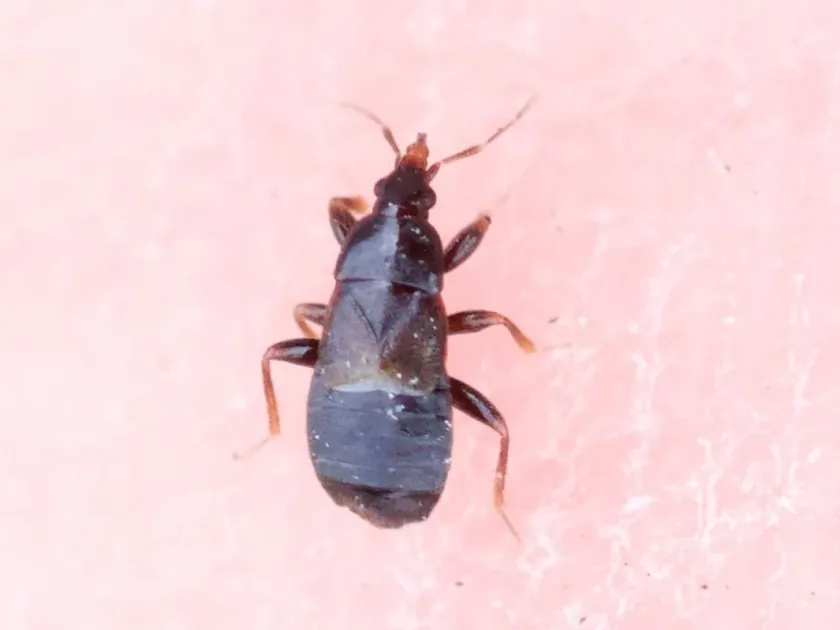
Description
How to identify
Xylocoris galactinus is a small insect belonging to the family Anthocoridae, within the order Hemiptera. These insects, commonly known as minute pirate bugs, reach a length of approximately 2.5 to 3.5 millimeters.
The adult bugs are characterized by a flattened, dark brown to black body, which allows them to navigate through tight crevices in mushroom compost and growing substrates.
The life cycle of the bug is hemimetabolous, involving egg, nymph, and adult stages. The nymphs resemble miniature, lighter-colored versions of the adults and grow through several molting phases.
This species thrives in warm, humid environments, making mushroom production facilities, compost heaps, and greenhouses their ideal habitat for year-round development.
Due to their small size and cryptic behavior, they are often overlooked until their population reaches levels that cause visible damage to the crop.
What it damages
Xylocoris galactinus is primarily a pest in commercial mushroom cultivation. While they are essentially predatory, in the absence of prey, they may feed on young mushroom fruiting bodies.
Damage manifests as small punctures or pits on the caps of the mushrooms. These physical injuries significantly degrade the commercial quality and aesthetic appeal of the harvest.
These puncture wounds serve as entry points for secondary pathogens, including bacteria and harmful molds, which can cause rotting of the mushroom sporocarps.
Severe infestations can lead to substantial yield losses, as the bugs move rapidly between mushroom beds, spreading spores and pathogens throughout the growing area.
The presence of these bugs in harvested batches reduces shelf life and makes the product unsuitable for market distribution due to the visible damage and potential microbial contamination.
Control measures
Sanitation is the cornerstone of Xylocoris galactinus management. Keeping growing areas clean and removing organic debris significantly reduces potential breeding sites for the bugs.
Proper pasteurization of the mushroom compost is essential. Ensuring that the entire volume of the substrate reaches the required temperature kills all stages of the bug, including eggs.
Implementing a monitoring program using yellow sticky traps helps growers detect the presence of adults early, allowing for timely intervention before populations spike.
Chemical control options are restricted because mushroom crops are consumed directly. Consequently, growers must prioritize integrated pest management (IPM) practices and biological control where applicable.
Between production cycles, empty rooms should undergo thorough fumigation and sanitization to eliminate any remaining bugs hiding in the cracks or metal frames of the shelving systems.
Taxonomy
- Latin name
- Xylocoris galactinus
- Order
- Hemiptera (bugs, aphids, leafhoppers)
- Family
- Anthocoridae
- EPPO code
- XYOCGA
Discussion
No discussions yet — be the first.