
Xyleus laevipes
Xyleus laevipes
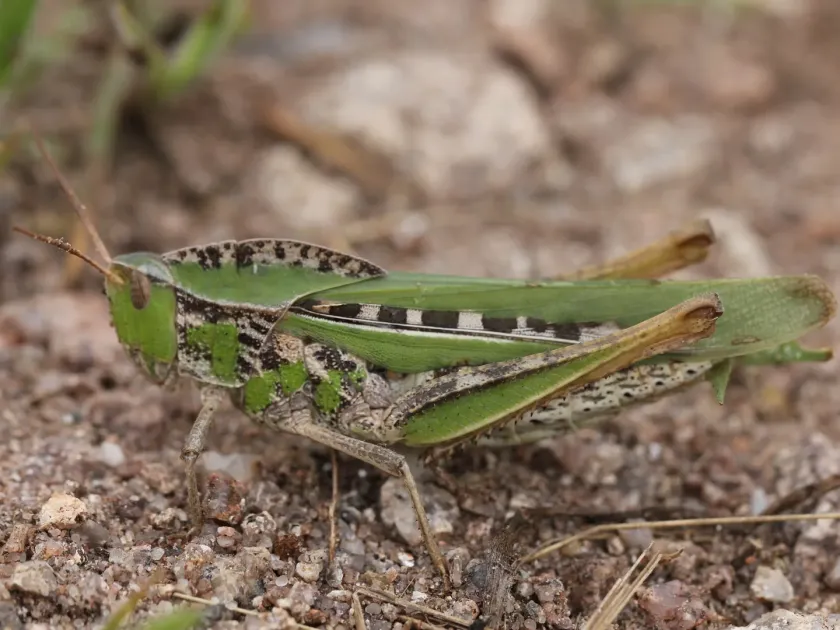
Description
How to identify
Xyleus laevipes is a species of grasshopper belonging to the family Romaleidae, known for its significant impact on various plant species.
This pest is characterized by a robust body structure and a protective coloration that allows it to blend seamlessly into its natural environment.
The morphology of this insect includes strong mouthparts adapted for consuming tough plant tissues, making them highly efficient feeders.
Adults possess developed wings allowing for dispersal across agricultural landscapes, which complicates local control efforts during outbreaks.
Identification of the species is generally based on specific anatomical features of the thorax and legs, distinguishing it from other common grasshopper species.
What it damages
As a polyphagous pest, Xyleus laevipes feeds on a wide range of botanical hosts, posing a serious threat to cereal crops, legumes, and vegetable gardens.
The feeding activity involves the consumption of leaves, stems, and sometimes floral parts, resulting in substantial damage to the plant's architecture.
High population densities can lead to total defoliation of fields, severely compromising the plants' ability to photosynthesize and mature properly.
Young plants are particularly vulnerable, and feeding damage at the seedling stage often necessitates the replanting of entire areas.
Chronic feeding weakens the host plant, rendering it susceptible to secondary infections from various pathogens and reducing the overall quality of the harvest.
When it appears
The life cycle of Xyleus laevipes is strictly regulated by seasonal environmental factors, with activity peaking during warmer months.
Eggs are deposited in the soil, where they remain throughout the winter, protected from freezing temperatures and adverse weather conditions.
Nymphs emerge in spring once soil temperatures reach the threshold required for successful development, typically matching the onset of crop germination.
The insect passes through several nymphal instars before reaching the reproductive adult stage, usually by mid-summer.
Their life cycle timing is highly synchronized with the vegetation period of their primary host crops, ensuring a continuous food supply for larvae and adults.
Signs of infestation
Symptoms of infestation include erratic leaf margin consumption and visible holes within the leaf blades, which expand rapidly as populations grow.
The presence of frass (insect excrement) on the foliage and soil surface is a primary indicator of active feeding activity in a specific area.
Stunted growth or wilting of individual plants in a field often points to damage to the vascular tissue caused by the persistent feeding of the insects.
Large aggregations of nymphs or adults resting on the upper parts of plants during cooler times of the day are clear signs of a heavy infestation.
Mechanical damage to the epidermis of stems can also be observed, providing entry points for various bacterial and fungal agents that further harm the plant.
Control measures
Effective management of Xyleus laevipes requires a multi-faceted approach, combining proactive monitoring with targeted intervention methods.
Cultural practices such as deep tillage help destroy egg clusters embedded in the soil, significantly reducing the pressure from the next generation.
Chemical control should be implemented judiciously, focusing on the application of approved insecticides during the most susceptible developmental stages of the pest.
Integrated Pest Management (IPM) strategies, which include preserving natural predators, provide a sustainable way to keep population numbers below harmful thresholds.
- Monitoring fields regularly to determine population density and threshold levels.
- Implementing crop rotation to disrupt the pest's habitat and food availability.
- Removing weeds around field margins to eliminate potential breeding sites.
Taxonomy
- Latin name
- Xyleus laevipes
- Order
- Orthoptera (locusts)
- Family
- Romaleidae
- EPPO code
- XLEULA
Discussion
No discussions yet — be the first.