
Xerotricha
Xerotricha
Description
How to identify
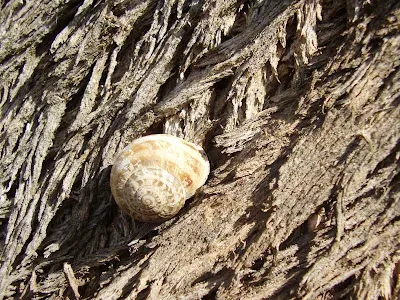
Xerotricha is a genus of land snails belonging to the family Hygromiidae, within the order Stylommatophora. These are small mollusks, usually with a rounded or slightly depressed shell, measuring approximately 10–12 millimeters in diameter.
The shell surface is often characterized by a granular texture or fine hairs, which serves as a key identification feature for this genus. The coloration ranges from beige to brownish, often with darker bands or spots, providing excellent camouflage against soil and plant debris.
The snail's soft body is typically gray or pale beige. While specialists identify the species based on shell aperture and reproductive anatomy, agronomists in the field primarily identify them by their mass presence in the root zone of crops.
This pest prefers arid and semi-arid climates but adapts successfully to managed agricultural landscapes, especially under irrigation. Unlike slugs, Xerotricha can survive prolonged droughts by entering estivation, sealing its shell aperture with a mucus membrane called an epiphragm.
These mollusks are primarily nocturnal, seeking shelter during the day under soil clods, fallen leaves, or dense vegetation. This cryptic behavior makes early detection of a pest infestation significantly more challenging.
What it damages
Xerotricha is a polyphagous pest that damages a wide range of agricultural crops. Vegetables such as lettuce, cabbage, and tomatoes, as well as young seedlings of cereals and legumes, are particularly susceptible to their feeding activities.
The snails graze on the leaf epidermis, create irregular holes in the leaf blades, and damage young stems. In cases of mass outbreaks, they can completely destroy young plantings within a short period.
Beyond physical damage, the snails contaminate plants with slime and feces. This environment promotes the development of secondary fungal and bacterial infections, which severely affect the marketability and quality of the produce.
Xerotricha poses a specific threat to berry crops, such as strawberries. By damaging the ripening fruit, they render the yield unmarketable, leading to substantial economic losses for farmers and gardeners alike.
In greenhouse operations, these pests can damage delicate seedlings, necessitating strict monitoring of growing media and the inspection of plant material, which can serve as a vector for introducing the pest into new areas.
When it appears
The activity of Xerotricha is directly tied to ambient temperature and moisture levels. Peak damage typically occurs during periods of moderate temperatures and high humidity, specifically in the spring and autumn months.
During intense summer heat, when soil moisture drops below critical levels, the population enters a dormant phase. During this time, they attach themselves to plant stems, fences, or stones to conserve moisture while waiting for rainfall.
The life cycle is moisture-dependent. After rain or irrigation, snails emerge from their shelters to feed and reproduce, leading to sudden population spikes in irrigated agroecosystems.
Reproduction occurs in the soil, where snails lay eggs in small clusters. The optimal conditions for oviposition are moist, loose soil rich in organic matter, which provides both protection and sustenance for the hatchlings.
Overwintering occurs in various stages, from juveniles to adults, which hide deep in the soil or under dense mulch layers, ensuring survival even during harsh winter temperatures.
Signs of infestation
The primary signs of a Xerotricha infestation are specific feeding patterns on leaves, such as uneven, ragged edges or delicate, lace-like structures caused by grazing on the epidermis. Dried, silvery mucus trails are also highly visible indicators.
- Presence of the snails themselves at the base of stems or under lower leaves during morning hours.
- Discovery of empty shells near the base of plants, indicating population turnover.
- Damage to fruits lying on or near the soil surface.
- Contamination of plant stems and fruits with characteristic dark mollusk feces.
Visual inspection during evening hours is the most effective method for diagnosing an infestation at the early stages. Checking underneath mulch or debris often reveals clusters of snails.
The appearance of numerous silvery trails after a night of rain or irrigation is a warning sign that the population density is high and that immediate control measures are required.
In berry patches, damage is often accompanied by rapid fruit decay and a characteristic odor associated with high concentrations of mollusk activity, signaling the need for intervention.
Control measures
Agronomic management includes deep autumn tillage, which disrupts overwintering sites and destroys egg clutches. Maintaining clean borders and removing weeds from between rows limits available shelter for the snails.
Physical barriers using crushed limestone, superphosphate, or wood ash around garden beds can impede snail movement, as they avoid contact with dry, irritating materials.
Chemical control involves the use of molluscicides, typically formulated with metaldehyde or iron phosphate. Granular baits are applied to areas where snails congregate, following the specific dosage recommendations provided on the label.
Biological control focuses on encouraging natural predators such as hedgehogs, toads, frogs, and certain ground beetles. Reducing the use of broad-spectrum pesticides helps preserve these beneficial organisms.
Optimizing irrigation schedules to avoid over-saturating the soil during the day makes the habitat less attractive to Xerotricha, thereby reducing the suitability of the environment for the pest's development.
Taxonomy
- Latin name
- Xerotricha
- Order
- Molluscs
- Family
- Hygromiidae
- EPPO code
- XRTRSP
Discussion
No discussions yet — be the first.