
Cernuella neglecta
Cernuella neglecta
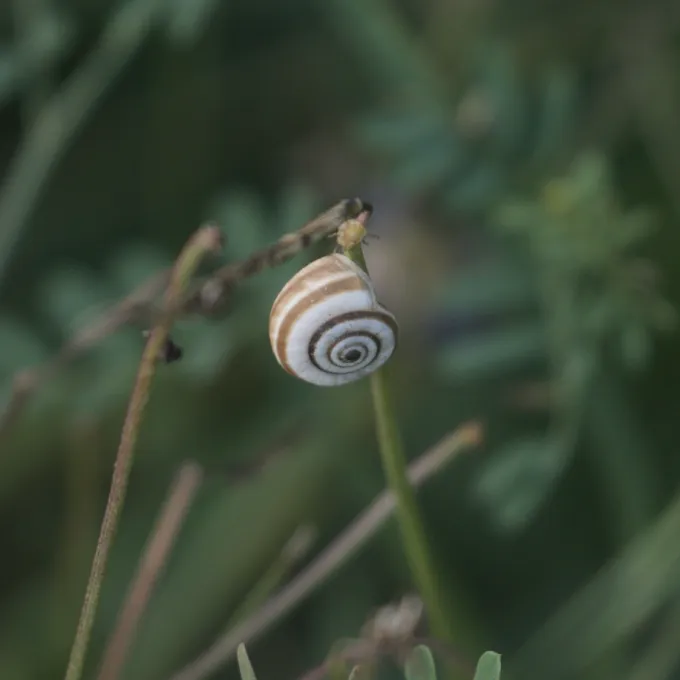
Description
How to identify
Cernuella neglecta is a terrestrial gastropod mollusc belonging to the family Hygromiidae and the order Stylommatophora. Adult individuals are relatively small, typically measuring between 8 and 12 mm in shell diameter.
The shell features a depressed globular shape and typically ranges from white to yellowish or brownish in color, often adorned with distinct dark spiral bands. The shape of the umbilicus and the aperture are key diagnostic features used by experts for species determination.
The soft body of the snail is usually grey or light beige, covered in skin with a pronounced granular texture. This species is highly adaptable, often thriving in open agricultural fields and disturbed habitats rather than just dense forests.
Due to its morphological similarity to other species in the genus Cernuella, field identification can be challenging. In some cases, detailed anatomical examination of the reproductive system is required for a definitive species confirmation.
This species displays high reproductive potential, allowing populations to grow rapidly under favorable climatic conditions. Its ability to colonize agricultural land makes it a significant pest that requires diligent monitoring by crop specialists.
What it damages
As a polyphagous pest, Cernuella neglecta feeds on a wide variety of plants, making it a threat to numerous agricultural crops. Young seedlings are particularly vulnerable, as snails can completely consume them, leading to significant stand loss.
In orchards and vineyards, these snails damage leaves, young shoots, and ripening fruits that are in contact with the soil. Crops such as lettuce, brassicas, strawberries, and legumes often suffer heavy feeding damage, which reduces overall yields.
In broad-acre farming, Cernuella neglecta can cause extensive damage to winter cereals during the autumn months. They scrape away the leaf epidermis, often leaving a skeletonized leaf surface that weakens the plant significantly and hinders its development.
Beyond direct tissue destruction, the presence of snails leads to contamination of the produce with mucus and excrement. This makes the harvest unmarketable and creates entry points for secondary infections like fungal rots that can devastate stored crops.
Outbreaks are especially destructive in years with high humidity, when the snail population explodes. The economic impact includes not only lost yield but also the high costs associated with repeated pest control measures.
When it appears
The activity cycle of Cernuella neglecta is strictly governed by temperature and moisture levels. The active period begins in early spring once daily temperatures rise consistently above +10 degrees Celsius.
Peak activity and reproductive cycles typically occur during wet, mild weather in spring and autumn. During the hot and dry summer months, the snails undergo aestivation, retreating into soil crevices, under leaf litter, or deep within mulch to escape desiccation.
Autumn is a critical time for the pest, as they feed intensively to build up energy reserves for the coming winter and lay eggs in the moist soil. This reproductive phase determines the population pressure for the next growing season.
Snails overwinter in the soil, under agricultural debris, or in other sheltered spots that maintain stable humidity levels. This survival strategy ensures that a significant portion of the population persists through harsh winter conditions.
Depending on the region, the generation turnover can vary. In warmer climates, the lifecycle may accelerate, leading to multiple generations per year, which significantly complicates management efforts for farmers.
Signs of infestation
The most visible indicator of Cernuella neglecta infestation is the presence of silvery, dried mucus trails on leaves, stems, and the surrounding soil surface. These trails are excellent markers for locating high-activity areas.
Damage to foliage appears as irregular holes with ragged edges, often resembling the work of chewing insects. Close inspection will reveal the marks of the radula—a tongue-like organ with teeth used by the snail to scrape away plant tissue.
During daylight hours, when snails are avoiding direct sun, they can be found in cool, damp microhabitats. Checking underneath leaves, plant pots, stones, or thick mulch layers is the most effective way to find resting individuals.
High numbers of shells found on stalks or fences during dry periods are a warning sign of a large population density in the immediate area. Empty shells often indicate previous death or movement to deeper shelters.
Finding small, white, spherical eggs in the soil is a definite sign of an active breeding site. Identifying these early is crucial for implementing control measures before the population reaches a point that causes economic damage.
Control measures
Controlling Cernuella neglecta requires an Integrated Pest Management (IPM) approach that focuses on reducing the favorability of the environment for snail survival.
- Deep tillage to disrupt soil-dwelling populations and destroy overwintering sites.
- Removing weeds and debris from field margins to reduce sheltered habitats.
- Using mechanical barriers like lime, ash, or grit around sensitive garden beds.
- Hand-collecting and removing snails during periods of high humidity.
- Applying molluscicides based on iron phosphate or metaldehyde when necessary.
Water management is a key preventive strategy. By switching from overhead irrigation to drip irrigation, farmers can reduce surface moisture, making the crop environment less attractive to snail colonization.
Biological control through the encouragement of natural predators—such as hedgehogs, ground beetles, frogs, and various bird species—can help keep snail numbers below the economic threshold without the need for excessive chemicals.
If chemical control is required, all treatments must be applied according to local regulations. Adherence to pre-harvest intervals is essential to ensure that the final agricultural product remains safe for human consumption.
Taxonomy
- Latin name
- Cernuella neglecta
- Order
- Molluscs
- Family
- Hygromiidae
- EPPO code
- CERNNE
Discussion
No discussions yet — be the first.