
Cochlicella
Cochlicella
Description
How to identify
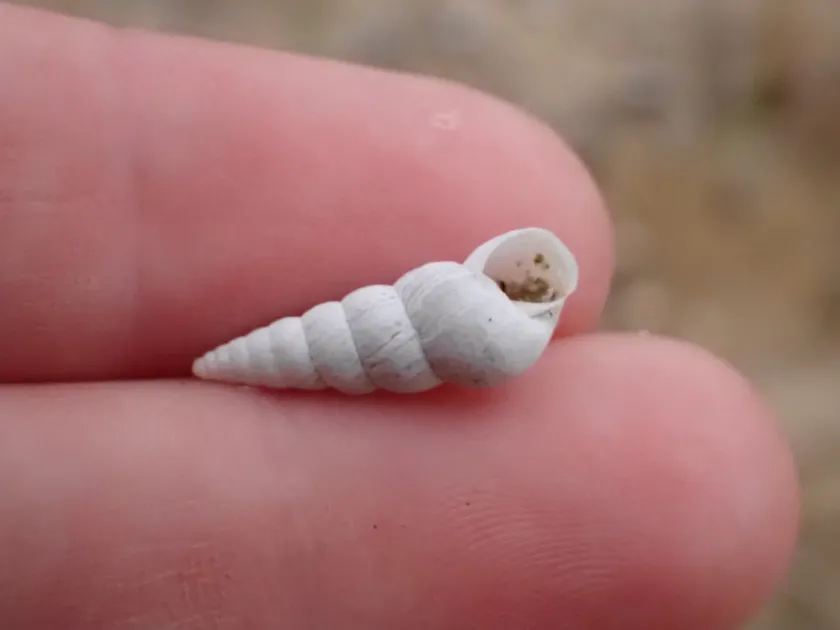
Cochlicella is a genus of land snails in the family Geomitridae, known for their distinct conical or spire-shaped shells. These snails are highly adapted to Mediterranean climates, often thriving in arid environments.
The shells typically measure between 10 and 15 mm in height and often feature pale coloration with dark banding, which acts as camouflage against dry stalks and stones.
These molluscs are primarily nocturnal, moving across the soil and plants during the night. However, they can be observed during the day if the weather is overcast or humid.
One of the key biological traits is their ability to enter a state of dormancy (aestivation) during hot, dry spells, clinging tightly to vertical structures to conserve moisture.
As hermaphrodites, they have high reproductive potential, allowing them to rapidly colonize large agricultural areas if environmental conditions are favorable.
What it damages
Cochlicella is a significant polyphagous pest, causing economic losses in cereal crops like wheat and barley, as well as in pulses, vegetables, and fodder pastures.
They feed on green leaf tissue, causing irregular ragged holes. In severe infestations, they can completely defoliate young seedlings, leading to crop failure or significant yield reduction.
In vineyards and orchards, they cause physical damage to leaves, shoots, and fruit, often creating open wounds that predispose the plants to various secondary fungal infections.
For cereal farmers, the biggest problem is the mechanical contamination of grain during harvest, as the snails climb the stalks to escape the heat or graze, ending up inside the grain harvester.
The presence of large numbers of these snails on grazing pastures can render the forage unpalatable for livestock and pose sanitary risks due to the transmission of parasites.
When it appears
Activity is dictated by moisture levels. The most active periods are during the cool, damp months of autumn and spring, which are essential for feeding and breeding.
During the peak of summer heat, the snails seek shelter on fences, stems, or buried in the soil, entering a dormant state to wait for the return of rainfall.
The life cycle typically lasts one year, with egg-laying occurring in moist soil when conditions are conducive to juvenile development.
Young snails are highly voracious and appear shortly after the first autumn rains, coinciding with the germination and early growth stages of many seasonal crops.
Harvest time is a critical period for monitoring, as the snails often migrate to the upper parts of crops, increasing the risk of contamination during machinery operations.
Signs of infestation
The most visible sign of an infestation is the presence of irregular "window-pane" holes in leaves, where the soft tissue is removed, leaving only the veins intact.
A silvery, shimmering trail of dried mucus left on soil, leaves, or stems is a primary indicator of recent snail activity in the area.
Finding groups of snails clustered on stems, particularly hidden within the heads of cereals or beneath leaves, confirms a local population presence.
Small depressions on the surface of fruit or young vegetables that later develop into soft, rotting spots are typical symptoms of snail feeding damage.
During the day, searching under thick organic mulch, garden debris, or loose clods of earth often reveals large colonies of the pest in the soil surface layer.
Control measures
Cultural control is highly effective; deep tillage disrupts the soil surface, destroying snail eggs and burying juveniles, which prevents them from reaching the surface.
Managing the habitat is crucial, which involves regular weeding around field edges and removing excessive debris that snails use for shelter during the day.
Molluscicides, specifically those containing iron phosphate, can be applied as baits. These are safer for the environment and effective when used during periods of peak snail activity.
Biological control includes promoting the presence of natural predators such as ground beetles, hedgehogs, and birds, which can naturally suppress snail numbers.
At harvest, using high-cutting techniques for cereal crops helps reduce the number of snails harvested with the grain, provided the pests are concentrated in the lower canopy.
Taxonomy
- Latin name
- Cochlicella
- Order
- Molluscs
- Family
- Hygromiidae
- EPPO code
- COCESP
Discussion
No discussions yet — be the first.