
Xerosecta
Xerosecta
Description
How to identify
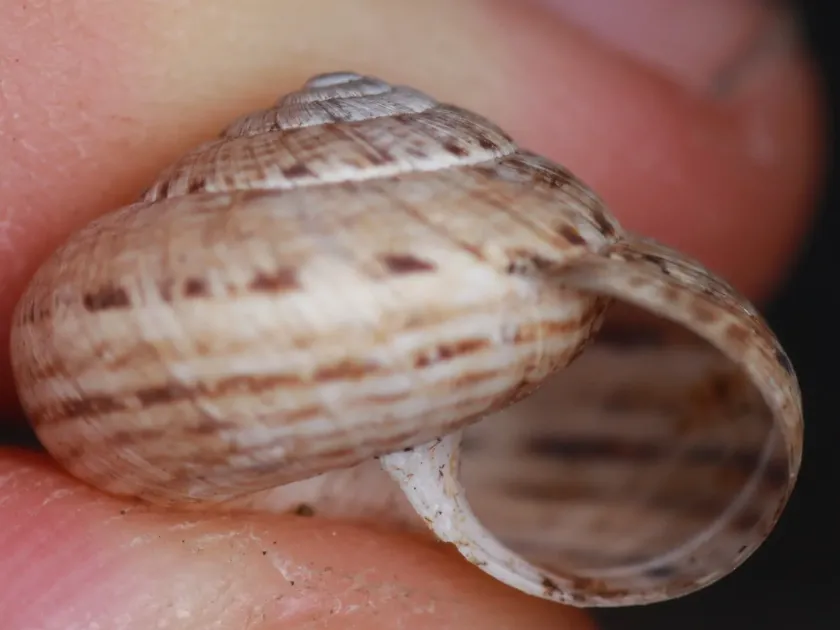
Xerosecta is a genus of land air-breathing snails belonging to the Hygromiidae family. These snails are characterized by a small, relatively firm, and often patterned shell, which provides excellent camouflage against dry soil and plant debris.
The snail's soft body is typically grey or light brown. Unlike slugs, Xerosecta possesses a well-developed shell into which it can completely retract during harsh environmental conditions, such as extreme heat or prolonged drought.
Adult specimens usually reach a diameter of 10–15 millimeters. The shell exhibits a spiral structure with several whorls, serving as a primary morphological feature for precise species identification.
These mollusks prefer open, arid biotopes and are frequently found on limestone-rich soils, as they require calcium to maintain their shell integrity. Their daily activity is heavily dictated by ambient air humidity.
Reproduction involves laying eggs in moist soil patches or under vegetative mulch. The juveniles grow rapidly, feeding on organic matter and the tender tissues of young plants.
What it damages
Xerosecta acts as a potential pest for a wide variety of agricultural crops. Vegetables, young grain seedlings, and various ornamental garden plants are particularly susceptible to their feeding activities.
The pest consumes vegetative plant parts, including leaves, stems, and fresh shoots. The most significant damage occurs during the early growth stages of plants, when tender tissues are easily damaged by the snail's radula.
Beyond direct defoliation, these snails contaminate commercial produce with mucus trails and excrement. This significantly reduces the market value of the yield and compromises its shelf life.
In high-humidity environments or irrigated fields, Xerosecta populations can explode. During such outbreaks, they are capable of decimating crops like lettuce, cabbage, and other soft-leaved vegetables.
Furthermore, these snails can act as vectors for fungal plant diseases, as they move between infected and healthy plants, thereby deteriorating the overall phytosanitary condition of the field.
When it appears
The activity period for Xerosecta begins in early spring, once average daily air temperatures rise above +10...+12 degrees Celsius and rainfall becomes more frequent.
Mollusks are primarily active at night or during overcast weather. During hot and sunny hours, they retreat under rocks, soil clods, or deep within dense foliage to avoid dehydration.
The peak of their harmful activity occurs during the second half of summer and early autumn when precipitation levels are higher. This period coincides with the mass emergence of juvenile snails that feed aggressively.
As cold weather approaches or during severe summer droughts, Xerosecta enters a state of aestivation or hibernation. They seal their shell aperture with an epiphragm, a mucous membrane, to survive harsh conditions.
Throughout winter, the pests seek refuge in the soil, deep within building foundations, or under thick layers of debris, where they successfully overwinter if sufficient moisture is available.
Signs of infestation
The primary indication of a Xerosecta infestation is the presence of irregular, ragged holes in plant leaves. The edges of these bite marks are usually uneven and frayed.
Dried, silvery mucus trails found on leaf surfaces are a definitive sign of mollusk activity, distinguishing them from common insect pests.
Inspecting the soil under mulch or foliage during the early morning often reveals the snails themselves. Accumulations of empty shells also serve as a reliable indicator of high population density in the area.
The pest prefers to feed in the root zone or on lower leaves touching the ground. However, under high humidity, they may crawl significantly higher up the stems of taller crops.
Stunted growth or wilting in young seedlings, despite healthy root systems, is often a clear signal of nocturnal feeding pressure from these mollusks.
Control measures
Effective management of Xerosecta requires an integrated approach. The first line of defense is sanitation: regular weeding and the removal of plant debris and garden clutter where snails hide is essential.
Manual collection of snails or the use of simple traps, such as beer or yeast baits and damp boards, is highly effective for small garden plots. Collected snails should be disposed of in a saline solution.
Mulching walkways with abrasive materials like wood chips, crushed eggshells, or gravel creates a physical barrier that discourages mollusk movement toward sensitive plants.
When necessary, professional molluscicides based on metaldehyde or iron phosphate are used. Iron phosphate is preferred due to its safer profile regarding the environment, pets, and beneficial insects.
Cultural practices, such as consistent soil cultivation and the installation of proper drainage systems, reduce surface humidity, making the environment less hospitable for the rapid reproduction of Xerosecta.
Taxonomy
- Latin name
- Xerosecta
- Order
- Molluscs
- Family
- Hygromiidae
- EPPO code
- XERSSP
Discussion
No discussions yet — be the first.