
Xerolenta
Xerolenta
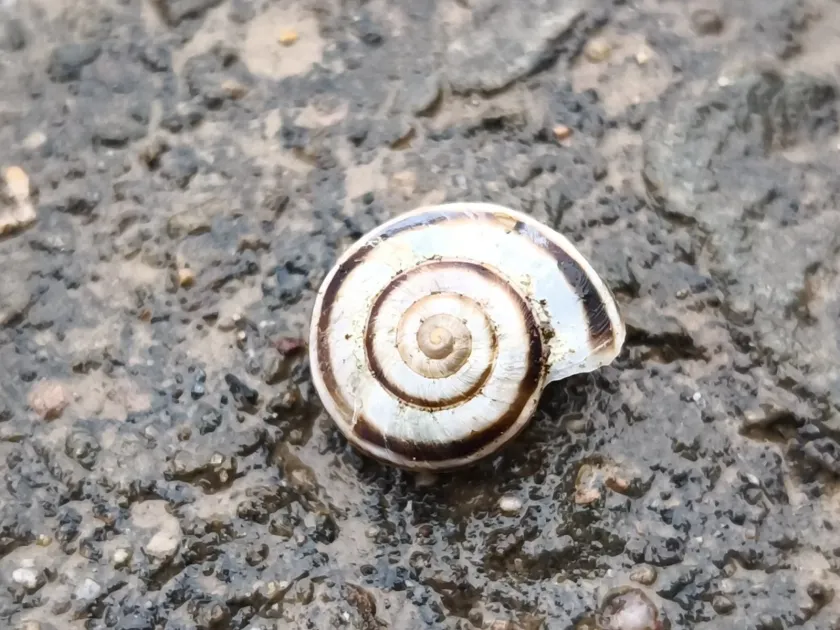
Description
How to identify
Xerolenta (specifically Xerolenta obvia) is a member of the class Gastropoda. These land snails are recognized by their distinct, flattened, spiral shells, which are usually white or pale with dark banded patterns.
Typically measuring 10–20 mm in diameter, the shell is exceptionally durable, which helps the snail survive in dry, exposed habitats where other mollusks might perish.
The life cycle involves depositing eggs in soil crevices or under decaying vegetation, with juvenile snails emerging and starting to feed within weeks.
This species is highly adapted to sunny, open areas, often clinging to tall stems or fence posts to avoid the heat radiating from the soil surface.
Populations can grow rapidly in suitable environments, making them a significant concern for farmers managing open-field agriculture.
What it damages
Xerolenta is a polyphagous pest, meaning it consumes a wide variety of plants, including cereals, legumes, and various vegetable crops.
The primary damage is caused by the snail's radula as it scrapes leaf tissue, resulting in large, irregular holes or the complete destruction of tender seedlings.
By grazing on emerging crops, they can significantly reduce plant stands, leading to decreased yields and economic losses for the grower.
The presence of snails on produce is detrimental to quality, as they leave behind slimy trails and fecal matter, making the harvest unmarketable.
Damaged plant tissues are also highly susceptible to secondary infections by various pathogens, further stressing the crop and reducing its overall vigor.
When it appears
Activity levels are heavily dictated by weather, with peak movement occurring during the damp conditions of spring and autumn.
During the dry summer months, Xerolenta enter a dormant state (estivation), attaching themselves to sturdy stalks or structures to survive high temperatures.
The hatching of juvenile snails often coincides with the germination phase of major crops, making spring a high-risk period for seedling damage.
Overwintering is achieved in soil burrows, under leaf litter, or in dense vegetation, where the snails remain protected until temperatures rise.
Periodic monitoring is essential after rainfall events, as these conditions trigger mass emergence and active feeding cycles.
Signs of infestation
The most visible sign of infestation is the presence of silver, glistening slime trails left on leaves and soil after the snails have moved.
Feeding damage is characterized by ragged leaf margins and large, irregular holes in the foliage, often appearing in localized patches.
Empty or living shells found at the base of plants or on soil clods provide clear evidence of a resident population.
In the early hours of the morning, snails can often be seen clustered together at the base of plants or on the underside of leaves.
Affected seedlings may show signs of mechanical stress or wilting, often leading to patchy crop establishment across the field.
Control measures
Effective management of Xerolenta relies on an integrated strategy prioritizing cultural practices and, when necessary, targeted chemical applications.
Deep plowing is one of the most effective mechanical methods, as it disturbs the soil, destroys overwintering sites, and exposes eggs and snails to dehydration.
Maintaining clean field margins and removing debris eliminates essential shelter, significantly reducing the snail's survival rate.
When thresholds are exceeded, the application of granular molluscicides can be used to protect high-value areas, provided they are applied safely and effectively.
- Implementing proper crop rotation.
- Removing weeds and plant residue.
- Using biocontrol methods if available locally.
Taxonomy
- Latin name
- Xerolenta
- Order
- Molluscs
- Family
- Hygromiidae
- EPPO code
- XEROSP
Discussion
No discussions yet — be the first.