
Xerocrassa
Xerocrassa
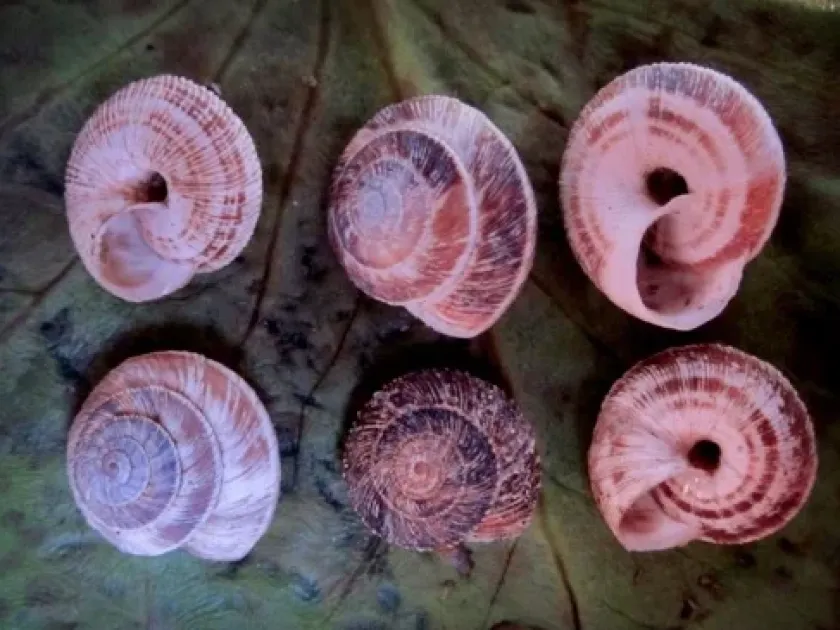
Description
How to identify
Xerocrassa is a genus of air-breathing land snails belonging to the family Geomitridae. These mollusks are highly adapted to arid environments, making them particularly resilient in Mediterranean climates.
The shell of an adult Xerocrassa is typically globular and sturdy, measuring between 5 and 15 mm in diameter. Its coloration often ranges from pale cream to brownish, typically featuring distinct spiral bands that serve as camouflage.
The body of the snail is soft and usually light-colored. To survive harsh weather, it retreats entirely into its shell and seals the opening with a dried mucous membrane known as an epiphragm.
Farmers often identify these snails by their tendency to aggregate in large numbers on vertical structures, such as plant stems, fence posts, or rocks, during the daytime when seeking shelter from the heat.
While taxonomy within the genus can be complex due to phenotypic plasticity, their status as agricultural pests is consistent across several species, requiring targeted management strategies.
What it damages
As polyphagous feeders, Xerocrassa species consume a wide variety of plant tissues. They are known to cause significant damage to vegetable crops, cereal fields, vineyards, and fruit orchards.
Young seedlings and succulent shoots are most vulnerable, as snails can consume the tender tissues rapidly, leading to stunted plant growth or the total loss of young plantings.
Beyond physical damage, the presence of these snails significantly lowers the market value of produce. Their slime trails and fecal matter contaminate leaves and fruits, rendering them unfit for sale or consumption.
In regions with high snail populations, grazing can devastate forage crops, reducing biomass production and nutritional quality, which negatively impacts livestock operations.
Their habit of burrowing into tight plant structures or hiding within the foliage makes them difficult to eradicate once they have established a strong presence in a field.
When it appears
The activity patterns of Xerocrassa are strictly regulated by environmental humidity. They are most active and damaging during cool, moist periods, typically in autumn and early spring.
During the heat of the summer or periods of prolonged drought, these snails undergo aestivation. They attach themselves to dry surfaces, such as plant stalks or stems, entering a state of dormancy to conserve water.
Reproductive cycles are triggered by the return of favorable moisture and temperature conditions. As hermaphrodites, they can reproduce efficiently, leading to rapid population surges in the field.
Peak damage generally coincides with periods of rainfall, when snails emerge from their dormant state to feed actively on available green vegetation throughout the night and early morning.
The most critical times for agricultural intervention are during the germination and early growth phases of the crops, when the plants lack the structural defenses to survive heavy feeding pressure.
Signs of infestation
Primary indicators of a Xerocrassa infestation include ragged leaf edges, irregular holes, or in severe cases, the complete stripping of leaf blades, leaving only the veins.
Silver-colored, dried slime trails found on the soil surface, plant stems, or leaf surfaces serve as clear evidence of snail activity within the cultivated area.
During the early morning hours, snails can often be found resting on the underside of leaves or within the heart of the plants, particularly if the weather has been overcast or drizzly.
Plant tissues damaged by snails often exhibit rapid wilting and necrosis, which can serve as entry points for various bacterial and fungal pathogens, further weakening the crop.
An abundance of empty shells or the presence of various size classes of snails within the foliage are strong signs that the population is successfully breeding and thriving on the farm.
Control measures
Effective management requires an integrated approach. Cultural practices like deep plowing can help disturb the soil and destroy the snails' hiding places, reducing their overwintering success.
Maintaining clear field borders and removing dense weed cover minimizes the availability of refuge sites, forcing snails into more exposed areas where they are vulnerable to predators and desiccation.
Chemical control involving molluscicides, specifically baits containing metaldehyde or iron phosphate, is highly effective when applied according to label instructions during the evening hours.
The placement of these baits should be strategic, focusing on areas where snail activity is highest, such as damp spots, field edges, or near the base of vulnerable plants.
Managing irrigation systems is vital; preventing excessive moisture and water accumulation in fields or greenhouses helps maintain conditions that are less hospitable to the survival and proliferation of Xerocrassa.
Taxonomy
- Latin name
- Xerocrassa
- Order
- Molluscs
- Family
- Hygromiidae
- EPPO code
- XRCRSP
Discussion
No discussions yet — be the first.