
Xanthorhoe saturata
Xanthorhoe saturata
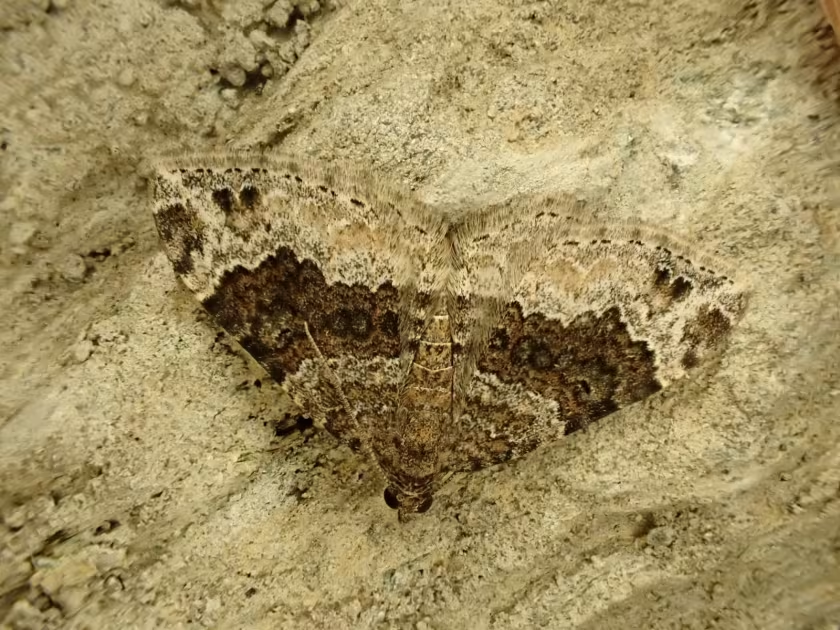
Description
How to identify
Xanthorhoe saturata is a moth species belonging to the family Geometridae within the order Lepidoptera. Adult moths typically have a wingspan of 25–30 mm, with wings featuring intricate patterns of dark bands on a lighter ground color for camouflage.
The larvae are known as inchworms or loopers due to their unique locomotion, where they move by arching their bodies. Their coloration is usually cryptic, allowing them to blend seamlessly with the host plant foliage and stems.
The life cycle involves complete metamorphosis, consisting of egg, larva, pupa, and adult stages. Depending on the geographical region and local climate, the species may complete one or multiple generations per year.
Overwintering usually occurs in the pupal stage, buried within the soil or protected by plant debris. This biological trait makes soil management a critical factor in controlling local populations.
Adult moths are primarily nocturnal, showing attraction to artificial light sources. Understanding their seasonal flight patterns is essential for early detection and timing of control measures in agricultural settings.
What it damages
Damage is exclusively caused by the larval stage, which possesses chewing mouthparts capable of consuming significant amounts of plant biomass. The feeding activity is most intense during the warmer months of the growing season.
Larvae consume leaf tissue, often starting from the edges or creating irregular holes. In cases of severe infestations, they can lead to extensive defoliation, which severely hampers the plant's photosynthetic capability.
The pest targets a variety of plants, including diverse vegetable crops and garden ornamentals. Young seedlings and delicate foliage are particularly susceptible to rapid destruction by clusters of larvae.
Secondary damage occurs when the tissue damage caused by the moth larvae allows for the entry of various pathogenic bacteria and fungi, exacerbating the overall health decline of the affected plants.
Economic damage manifests as reduced plant vigor, stunted growth, and loss of harvest quality. Persistent feeding can lead to total crop failure if intervention is not timely provided.
Control measures
Effective management of Xanthorhoe saturata requires an integrated approach that targets multiple life stages of the pest to suppress its population density.
Cultural control practices, such as tilling and deep cultivation, are highly effective in disrupting the pupal stage within the soil, thereby reducing the number of emerging adults for the next season.
Biological control methods involve the application of microbial insecticides, such as those containing Bacillus thuringiensis, which target the larval stages while remaining safe for most beneficial insects.
Chemical control should be reserved for periods when the pest population exceeds established economic thresholds, utilizing targeted insecticides applied according to the manufacturer's safety instructions.
- Regular monitoring using light traps to track population spikes.
- Sanitation efforts to remove alternative host weeds around the fields.
- Crop rotation to break the life cycle and reduce long-term pest pressure.
Taxonomy
- Latin name
- Xanthorhoe saturata
- Order
- Lepidoptera (butterflies)
- Family
- Geometridae
- EPPO code
- XANOSA
Discussion
No discussions yet — be the first.