
Xanthorhoe moth
Xanthorhoe exorista
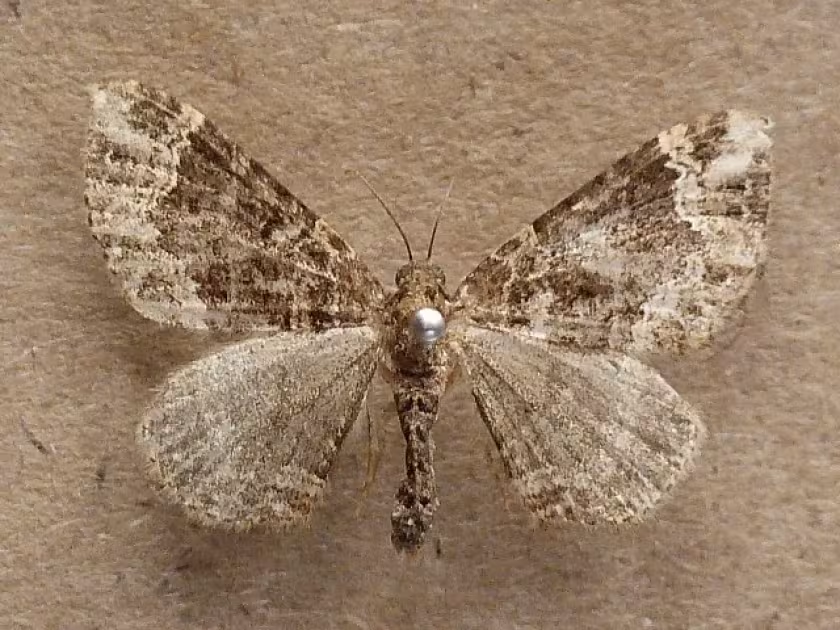
Description
How to identify
Xanthorhoe exorista belongs to the Geometridae family, order Lepidoptera. These moths are characterized by their slender bodies and distinctive wings, which often feature intricate patterns helping them blend into their natural environment.
The life cycle consists of egg, larva (caterpillar), pupa, and adult stages. The larval stage is the most destructive phase, where caterpillars exhibit the "looper" or "inchworm" locomotion typical for this family.
Adult moths are primarily nocturnal, making them difficult to detect during daylight hours. They lay eggs on the foliage of host plants, where the larvae hatch and immediately begin feeding.
Identification is based on the specific wing venation and color patterns of the adults, as well as the unique color variations and anatomical features of the larvae which adapt to match their host plants.
Monitoring for adult flight patterns is essential for predicting the emergence of larvae and timing preventative management actions accordingly.
What it damages
The caterpillars of Xanthorhoe exorista are known to feed on a wide variety of herbaceous plants, often moving from wild vegetation to commercial crops when environmental conditions favor their reproduction.
Feeding damage typically involves skeletonizing leaves or consuming entire leaf margins. This significantly reduces the plant's photosynthetic capacity, leading to weakened growth and susceptibility to other stressors.
In addition to leaf consumption, larvae may damage buds and flowers, directly impacting the yield of fruit-bearing and flowering vegetable crops.
The accumulation of frass on the leaves and the entry points created by feeding facilitate the colonization of the plant tissue by secondary bacterial and fungal pathogens.
Heavy infestations can lead to substantial biomass loss, reduced market quality of the harvest, and, in severe cases, the complete stunted growth of the plant.
Signs of infestation
Signs of infestation include irregular holes in the leaf blades, often found in the lower or middle canopy where the larvae hide during the day.
The presence of fine silken threads on the leaves, used by caterpillars for anchorage or movement, is a clear indicator that the pest is currently active on the plant.
Damaged leaves often appear curled or distorted as the larvae consume tissue in specific patterns, creating characteristic webbed or folded leaf nests.
Frass (droppings) located on the upper surface of lower leaves or on the ground beneath the plant serves as a telltale sign of a high population of actively feeding caterpillars.
General yellowing or wilting of the plant tips despite adequate irrigation can also point to hidden feeding damage occurring inside the foliage structure.
Control measures
Integrated Pest Management (IPM) is the most effective approach, beginning with regular visual inspections and the use of pheromone traps to monitor adult population levels.
Cultural practices, such as maintaining clean field borders and removing plant debris where pupae may overwinter, are crucial for reducing the source of initial infestation.
Biological control agents, particularly specific strains of Bacillus thuringiensis, offer a targeted way to suppress larval populations without disrupting beneficial insects.
If population levels exceed economic thresholds, selective insecticides may be applied, ensuring that treatments are timed to coincide with the most vulnerable larval stages.
- Implement a strict crop rotation schedule.
- Prioritize biological control over broad-spectrum chemicals.
- Maintain optimal plant health to improve natural resistance.
Taxonomy
- Latin name
- Xanthorhoe exorista
- Order
- Lepidoptera (butterflies)
- Family
- Geometridae
- EPPO code
- XANOEX
Discussion
No discussions yet — be the first.