
Vitrina (land snail)
Vitrina
Description
How to identify
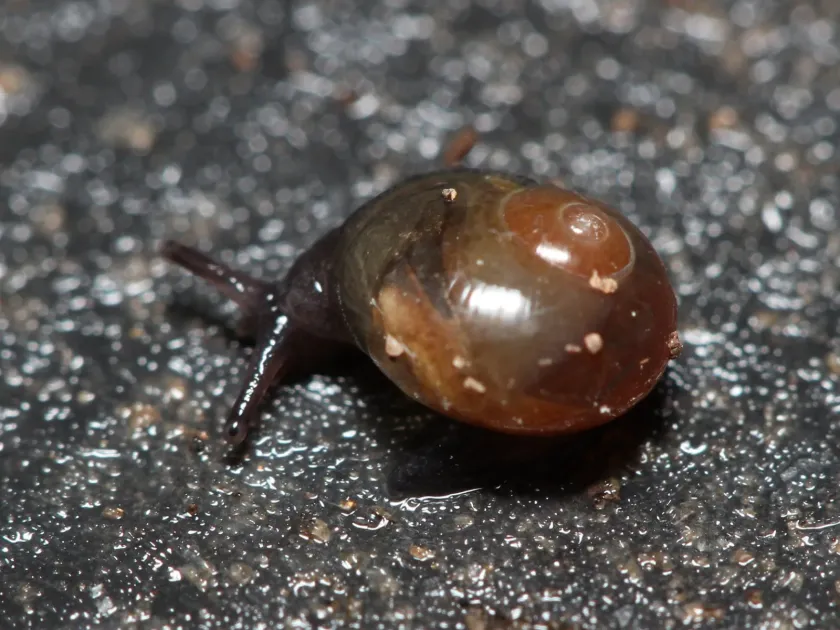
The genus Vitrina belongs to the family Vitrinidae, comprising small land snails characterized by a thin, fragile, and translucent shell. This shell is often too small to cover the entire body, leading to a semi-slug appearance.
These molluscs have a light-colored body and are typically found in moist, shaded environments such as leaf litter, dense vegetation, or damp soil.
They are known for being active in cooler temperatures, which gives them an advantage over some other gastropod species in temperate climates.
Their reproduction is moisture-dependent, with eggs laid in damp soil or decaying organic matter. The young snails develop quickly once they hatch.
During dry conditions, they retreat into the soil or deep under debris to avoid desiccation, making them difficult to detect until conditions become humid again.
What it damages
Vitrina snails are generalist herbivores, feeding on a variety of cultivated plants including leafy greens, seedlings, and flowers.
In greenhouse settings, they can cause significant damage to young vegetable transplants, often consuming the foliage entirely overnight.
Small fruits and berries that touch the soil are frequent targets. Consumption of these fruits often introduces pathogens, leading to rot and rendering the harvest inedible.
Their feeding leaves behind jagged, irregular holes in leaves, which can stunt plant growth and reduce overall vigor.
Furthermore, the slime trail they leave is aesthetically displeasing and can lower the market value of ornamental plants and salad greens.
When it appears
Activity usually begins in early spring, as soon as the soil temperatures rise above freezing. Wet spring months are the primary period of high infestation.
During the height of summer, if dry weather persists, these snails significantly reduce their activity, entering a state of dormancy in the soil.
A second, smaller surge of activity often occurs in the autumn with the return of rains, as the snails prepare for the overwintering period.
They survive the winter as both adults and eggs, hidden deep within the soil or under protective layers of mulch and garden refuse.
The prevalence of Vitrina is highly correlated with humidity; consequently, rainy seasons often coincide with the highest level of crop damage.
Signs of infestation
Irregular, ragged holes in the leaves of low-growing plants are the most common indicator of a Vitrina presence.
Shiny, silvery mucus trails found on leaves, stems, or the soil surface confirm the presence of gastropods in the garden.
Checking under garden objects such as pots, stones, or wooden planks during the day often reveals the hiding spots of these nocturnal pests.
Damage to the stems of young seedlings near the soil line is a clear sign that the snails are focusing on tender tissues.
In cases of high infestation, one might notice a decrease in seedling survival rates, as many young plants can be completely destroyed by the snails.
Control measures
Cultural control is key; keeping the garden clean of debris and weeds reduces the moisture and shelter these pests require to survive.
Barriers made of rough or abrasive materials like crushed eggshells, wood ash, or sharp sand can discourage snails from reaching sensitive plants.
Beer or fermented traps are highly effective for small-scale gardens. Burying containers flush with the soil surface catches and drowns the snails.
- Regular manual collection at dusk or dawn.
- Installing copper tape barriers around raised beds.
- Encouraging natural predators such as hedgehogs, toads, and birds.
- Applying iron phosphate-based baits for environmentally safe control.
When using chemical molluscicides, always select products that minimize impact on non-target species and strictly follow label application rates.
Taxonomy
- Latin name
- Vitrina
- Order
- Molluscs
- Family
- Vitrinidae
- EPPO code
- VITRSP
Discussion
No discussions yet — be the first.