
Aegopinella
Aegopinella
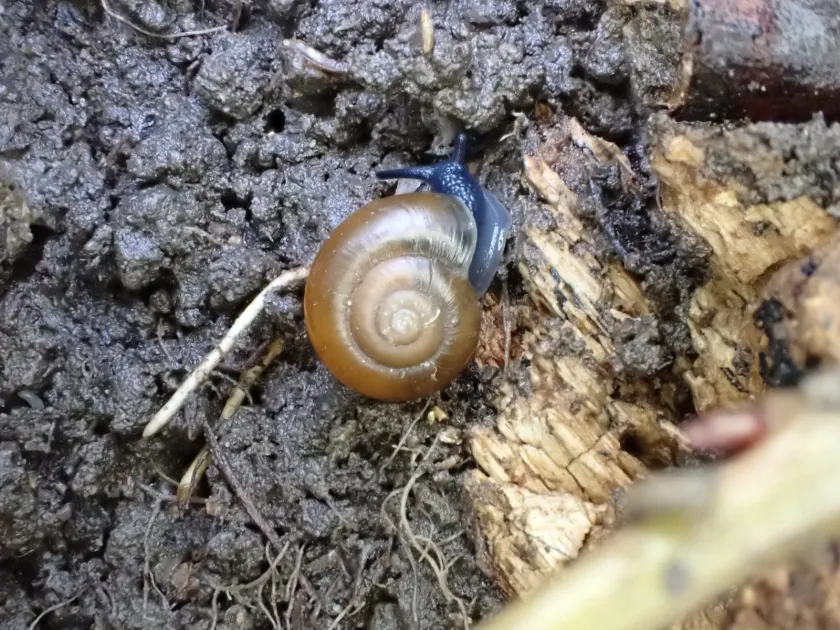
Description
How to identify
Aegopinella is a genus of small, air-breathing land snails belonging to the family Oxychilidae. These mollusks are characterized by a smooth, glossy, and slightly flattened shell, usually yellowish-brown in color, which helps them move easily through leaf litter.
The shells of adult Aegopinella typically measure between 7 and 10 millimeters in diameter. Their bodies are usually greyish or pale, allowing them to blend into damp environments, such as garden beds and forest floors.
These snails are primarily detritivores, but they can become significant pests in horticultural settings when their natural food sources are scarce. They thrive in environments with high humidity and consistent moisture.
Their life cycle involves laying eggs in moist soil crevices. The hatchlings grow quickly, feeding on decaying organic matter until they reach maturity, at which point they may shift their diet to include fresh plant tissues.
Due to their small size and nocturnal habits, they often go unnoticed until significant damage to garden crops has already occurred. Their ability to survive in tight gaps makes them highly resilient to manual removal attempts.
What it damages
Aegopinella species are polyphagous, meaning they feed on a wide range of plants. They are particularly harmful to seedlings, as their small, rasping mouthparts can quickly devastate young stems and tender leaves.
In vegetable gardens, they cause damage by consuming the leaves of lettuces, beans, and cabbages. This feeding often results in irregular holes or completely skeletonized leaves, leaving only the main veins behind.
Ornamental plants are also at risk. These mollusks may feed on flower buds and young shoots, significantly reducing the aesthetic value and vitality of the plants. In greenhouses, where conditions are often optimal, populations can grow rapidly.
Beyond direct consumption, their slime trails can cover the surfaces of leaves and fruit, causing sanitation issues and promoting the growth of mold or bacteria on the damaged areas.
Heavy infestations can lead to total crop failure, especially during wet growing seasons when plants are already stressed by environmental conditions and struggle to recover from herbivory.
When it appears
The activity of Aegopinella is strictly linked to humidity and temperature. They are most active during the spring and autumn, when regular rainfall keeps the surface soil cool and moist.
During dry summer months, these snails retreat deep into the soil or under dense mulch to escape desiccation. This dormancy period is a survival strategy that allows them to endure periods of heat stress.
Autumn triggers a new period of feeding and reproductive activity as the temperatures drop and rainfall increases. They store energy during this time to prepare for the winter months ahead.
Winter is typically spent in hibernation, either as eggs or adults, protected under layers of organic debris or buried in the earth. Their survival over winter is largely dependent on the moisture content and temperature of the soil.
Gardeners and farmers should focus monitoring efforts on periods following heavy rains. This is when the mollusks are most likely to emerge to feed, providing the best opportunity to assess population density.
Signs of infestation
The most common sign of an Aegopinella infestation is the presence of small, uneven holes in the leaves of low-growing plants. These perforations often have a "ragged" appearance compared to the cleaner cuts made by insect larvae.
Silvery, dried mucus trails on the soil or leaves are clear indicators of mollusk activity. These trails are often visible in the early morning before the sun dries them out.
During the day, checking beneath damp boards, stones, or pots will often reveal hiding snails. They favor these micro-habitats because they remain moist even when the rest of the garden begins to dry.
Young plants that appear "eaten away" or are missing sections of their cotyledons are classic signs of a snail or slug problem. If no larvae or beetles are visible on the plant, it is likely the result of nocturnal mollusk feeding.
Wilting of seedlings without apparent root damage can sometimes be attributed to stem feeding, where the snail has girdled the young plant by consuming the epidermis of the stem.
Control measures
Effective control of Aegopinella requires an integrated approach. The most successful strategy is to modify the environment to make it less hospitable for the mollusks by reducing surface moisture.
Clearing garden debris, such as piles of leaves, weeds, or old timber, removes essential daytime shelters. Keeping the area tidy is the most basic yet effective way to limit their population growth.
Physical barriers can be used to protect high-value plants. Barriers such as crushed eggshells, sand, or specialized copper tape can discourage snails from crossing onto sensitive areas.
When infestation levels exceed the economic threshold, mollusks-specific baits can be used. These baits contain active ingredients that attract and eliminate the pests, but they must be applied according to local safety guidelines.
- Improve soil drainage to reduce the duration of surface dampness.
- Regularly hoe the soil to expose and disrupt snail hiding places.
- Encourage natural predators like hedgehogs, frogs, and ground beetles.
- Use pitfall traps with bait to monitor and manually reduce population numbers.
Taxonomy
- Latin name
- Aegopinella
- Order
- Molluscs
- Family
- Vitrinidae
- EPPO code
- AEGPSP
Discussion
No discussions yet — be the first.