
Phenacolimax
Phenacolimax
Description
How to identify
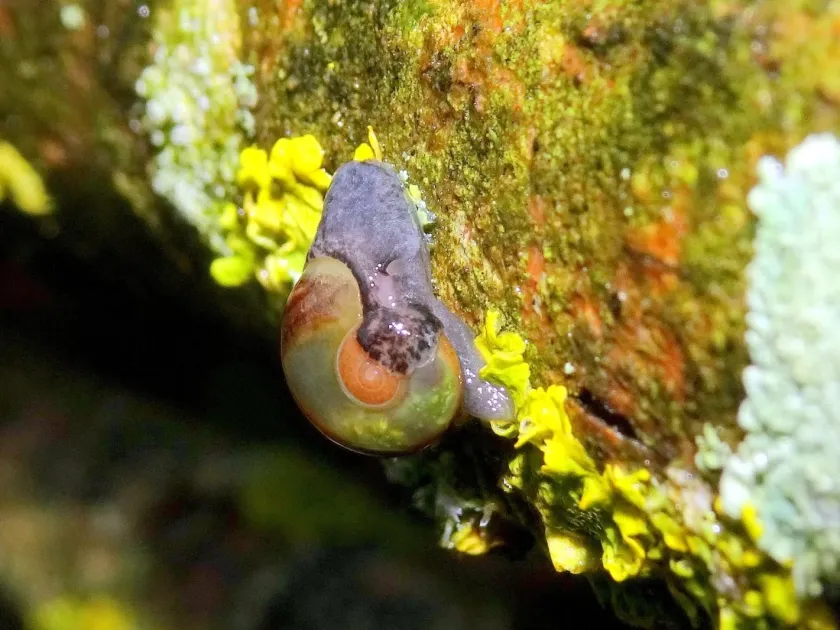
Phenacolimax is a genus of small terrestrial gastropod mollusks belonging to the family Vitrinidae. These slugs are characterized by a vestigial shell that is too small to retract their entire body into.
The appearance of Phenacolimax is often described as semi-translucent, with a greyish or brownish body that allows them to blend into damp environments such as forest floors or shaded gardens.
They are highly sensitive to moisture levels and require humid microclimates to survive, which dictates their habitat selection within agricultural landscapes.
Their reproduction is typically linked to environmental conditions, where eggs are laid in moist soil or organic matter to ensure survival during the developmental stages.
Identifying this genus involves examining the mantle and the specific shell structure, though for farmers, their presence is often confirmed by the associated damage patterns.
What it damages
Phenacolimax species feed on a wide variety of plant tissues, focusing primarily on succulent leaves, seedlings, and the soft growth of vegetable crops.
Young transplants are at the highest risk, as these slugs can consume the entire leaf surface, leaving only the veins and leading to the death of the plant.
They also cause indirect damage by creating entry points for secondary plant pathogens, leading to the development of rot and fungal infections in healthy crops.
In addition to vegetable crops, they can impact ornamental plantings, causing aesthetic damage that reduces the market value of flowers and decorative shrubs.
The cumulative effect of their feeding can result in significant yield losses, especially in areas where environmental conditions favor high population densities.
When it appears
The activity of Phenacolimax is strongly correlated with temperature and humidity levels, making them most active during spring and autumn seasons.
During the heat of summer, these mollusks retreat to deeper soil levels or shaded areas under dense vegetation to avoid desiccation and survive dry periods.
They are primarily nocturnal or crepuscular, meaning they feed at night or during overcast, rainy days when the risk of drying out is minimized.
Overwintering occurs in sheltered areas such as leaf litter, mulch, or deep soil crevices, where they remain dormant until favorable conditions return in spring.
The period following planting is particularly critical, as the flush of fresh, succulent growth coincides with the peak emergence of these pests from their overwintering sites.
Signs of infestation
The most reliable sign of a Phenacolimax infestation is the presence of shiny, silvery mucus trails found on plant surfaces or the soil surrounding the garden beds.
Visible damage typically manifests as irregular, chewed holes in leaves, which can lead to complete defoliation if the pest density is high.
Monitoring the undersides of leaves and the soil surface during early morning hours often reveals the presence of these slugs while they are still active.
In damaged crops, one may also observe evidence of grazing on stems and tender buds, which stunts the growth of the plant and prevents normal development.
Root system damage can also occur, particularly in smaller plants, leading to wilting and general health decline even when the foliage appears relatively intact.
Control measures
Effective management begins with sanitation, such as removing debris, weeds, and heavy mulch that provide essential hiding spots for slugs during the day.
Physical barriers, including copper tape or abrasive materials like crushed eggshells or diatomaceous earth, can deter these pests from reaching sensitive crops.
Biological control methods include encouraging natural predators like ground beetles, frogs, and hedgehogs, which can keep slug populations within sustainable levels.
For more severe infestations, the use of iron phosphate-based molluscicides is recommended, as these products are effective and pose minimal risks to non-target wildlife.
Regular irrigation management, such as watering in the morning rather than the evening, can reduce the duration of surface wetness and make the environment less favorable for slugs.
Taxonomy
- Latin name
- Phenacolimax
- Order
- Molluscs
- Family
- Vitrinidae
- EPPO code
- PHLXSP
Discussion
No discussions yet — be the first.