
Aegopinella pura
Aegopinella pura
Description
How to identify
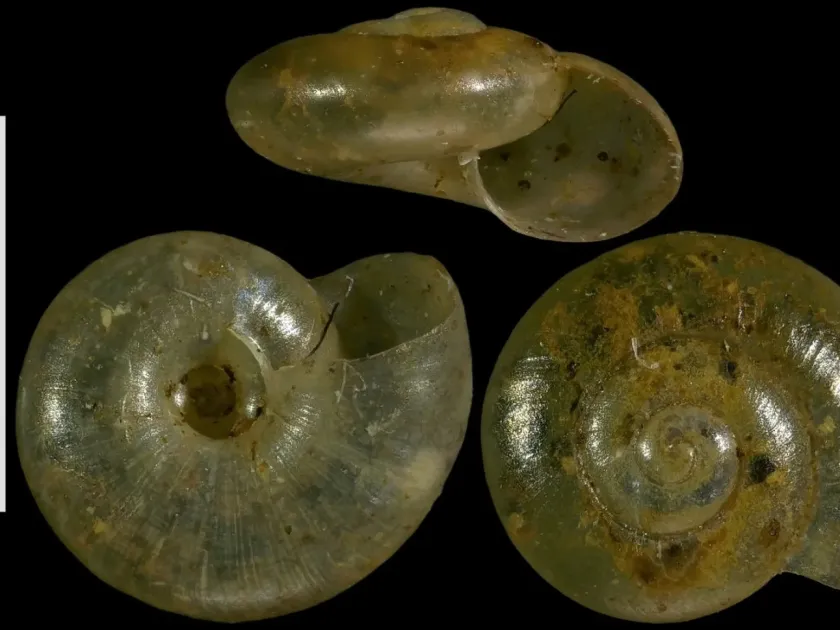
Aegopinella pura belongs to the family Oxychilidae within the order Stylommatophora. It is a small land snail characterized by a translucent, thin-walled, and glossy yellow-horn colored shell.
The adult shell typically measures between 4 to 5 millimeters in diameter. It consists of 3.5 to 4 whorls that expand gradually, giving the shell a compact and delicate appearance.
The body of the snail is generally pale or whitish in color, making it inconspicuous against damp soil or decaying vegetation, which serves as its primary habitat.
These snails are primarily found in moist, shaded environments, such as under logs, leaf litter, or dense ground cover where a stable microclimate is maintained.
Identification is based on the morphological features of the shell, including the shape of the aperture and the pattern of the whorls, which distinguish it from other ground-dwelling snails.
What it damages
While Aegopinella pura is often considered a woodland species, it can migrate to cultivated areas, posing a threat to young seedlings and various ornamental plants.
The snails feed on tender plant tissues, resulting in irregular holes in leaves and stems, which can stunt growth and weaken the plant's overall health.
Young seedlings are particularly vulnerable, as even small amounts of damage can lead to the wilting and eventual collapse of the entire plant.
Feeding on the root crown is another common behavior, especially in humid conditions, which can lead to rapid deterioration of plant vitality.
Furthermore, these mollusks can act as vectors for various plant pathogens, facilitating the spread of fungal and bacterial infections across the garden bed.
When it appears
The activity of Aegopinella pura is strongly influenced by local weather conditions, particularly soil moisture levels and temperature during the growing season.
The highest population activity occurs during wet spring and autumn months, when temperatures range between 15 and 20 degrees Celsius, providing optimal conditions.
During dry or hot summer spells, the snails retreat deep into the soil or under thick layers of mulch to preserve the moisture required for their survival.
Their life cycle includes the deposition of eggs in damp soil, with young snails emerging quickly to begin feeding on available plant matter, thereby increasing the population size.
Gardens with high levels of organic matter and thick mulch layers provide ideal breeding grounds, allowing the population to thrive if left unmanaged.
Signs of infestation
The primary sign of infestation is the presence of irregular bite marks or holes in the leaves of young seedlings or low-lying vegetation.
A telltale sign is the appearance of faint, silver-colored mucus trails left on the surface of leaves, stems, or the soil, which are visible in the morning light.
Checking the undersides of leaves close to the ground, especially in shaded or damp areas, often reveals the presence of these small, pale-colored snails.
Sudden wilting of healthy-looking seedlings without obvious root rot often suggests night-time feeding by mollusks, which can be confirmed by nocturnal inspections.
Using a flashlight during the night or early morning allows for the direct observation of these pests, as they emerge from their hiding spots to graze on vegetation.
Control measures
Cultural practices are the first line of defense, including regular weeding and the removal of garden debris to reduce potential hiding places and moisture pockets.
Creating physical barriers using abrasive materials such as wood ash, crushed eggshells, or coarse sand around susceptible plants can deter snail movement.
Trapping techniques, such as using containers filled with beer or fermented liquids, are highly effective for manually reducing the population without chemical interference.
For more severe infestations, mollusks-specific baits containing iron phosphate are recommended, as they are relatively safe for pets and beneficial wildlife.
- Schedule irrigation for the morning to ensure soil surfaces dry out before nightfall.
- Frequently cultivate the topsoil to disturb snail breeding cycles.
- Encourage the presence of natural predators such as frogs, toads, and beetles.
Taxonomy
- Latin name
- Aegopinella pura
- Order
- Molluscs
- Family
- Vitrinidae
- EPPO code
- AEGPPU
Discussion
No discussions yet — be the first.