
Phenacolimax major
Phenacolimax major
Description
How to identify
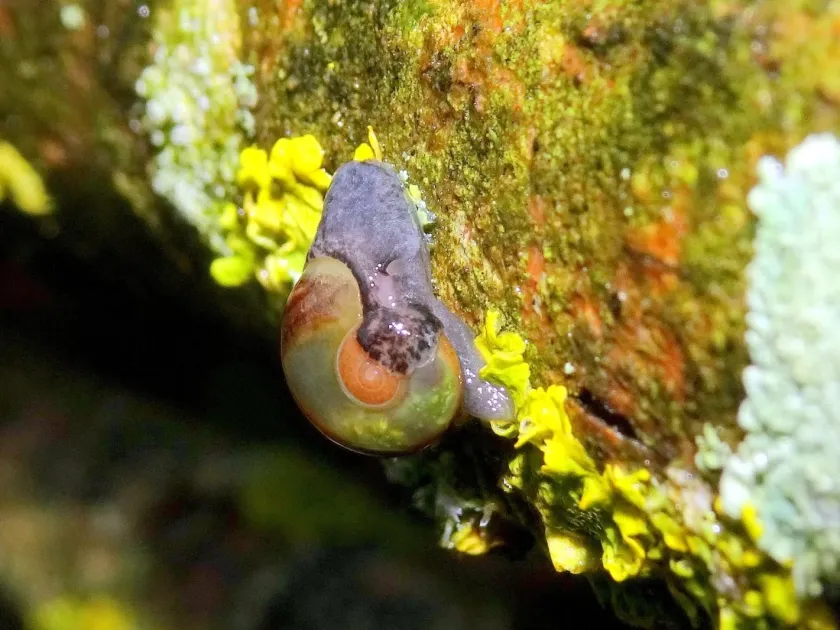
Phenacolimax major is a terrestrial gastropod mollusk belonging to the Vitrinidae family within the order Stylommatophora. It is recognized for its relatively thin, semi-transparent body and a rudimentary shell that is incapable of fully retracting the animal’s body, leaving it partially exposed.
The adult mollusk typically exhibits a yellowish-gray to brownish coloration, often with a distinct glossy finish on its skin. Mature individuals usually reach a body length of approximately 10 to 20 mm, making them relatively small compared to more common agricultural slug species.
This species thrives in humid and shaded habitats, often residing within leaf litter in deciduous forests or densely planted garden areas. They are highly dependent on moist conditions and are primarily nocturnal, seeking refuge from sunlight and desiccation during the day.
The life cycle of Phenacolimax major is intrinsically linked to soil moisture levels. They deposit their eggs in damp soil or decaying organic matter, where juvenile slugs develop until they are ready to forage for sustenance in the surrounding environment.
Overwintering occurs in sheltered areas, such as deep soil crevices or beneath layers of dense vegetation. When favorable temperatures and humidity levels return in the spring, the slugs emerge to resume their growth and reproductive activities in the garden ecosystem.
What it damages
Damage is caused by both juvenile and adult stages, which feed on tender plant tissues, including fresh leaves, buds, and young seedlings. In agricultural settings, they may pose a threat to leafy vegetables and various ornamental flowering plants in the garden.
The slugs utilize a radula to scrape the epidermis of leaves, resulting in irregular holes or transparent patches. This grazing activity significantly weakens the plant, making it more susceptible to environmental stress and opportunistic secondary infections.
Seedlings and young plants, such as lettuce, cabbage, and strawberries, are particularly vulnerable. Heavy infestations can lead to significant biomass loss or even the total destruction of sensitive young plantings, especially in damp, overcrowded garden beds.
The presence of Phenacolimax major is often indicated by the silver, glistening slime trails they leave behind on foliage and soil. These trails not only signal their presence but also provide a substrate that facilitates the spread of bacterial and fungal pathogens.
Economic damage is most pronounced during exceptionally wet seasons, which provide ideal conditions for the rapid multiplication of the slug population. Their ability to hide in mulch and debris makes them a persistent challenge for gardeners throughout the growing season.
Control measures
Cultural control is the most effective approach for long-term management. Reducing soil moisture by improving drainage, eliminating unnecessary mulch near sensitive plants, and regular weeding to remove hiding spots will significantly suppress their numbers.
Physical barriers can be employed to protect specific areas or high-value crops. Applying crushed eggshells, coarse sand, or diatomaceous earth around the base of plants creates a dry, irritating barrier that discourages slugs from crossing to the plant stems.
Hand-picking or using simple traps is a highly effective manual control method. Moistened cardboard, boards, or containers filled with yeast-based baits placed near affected areas can attract slugs at night, allowing for easy removal the following morning.
Promoting a balanced garden ecosystem by protecting natural predators such as hedgehogs, frogs, toads, and ground beetles is essential. Avoiding broad-spectrum pesticides ensures these beneficial organisms can help keep the slug population within manageable limits.
In cases of severe infestation, commercial molluscicides containing iron phosphate are recommended as a more environmentally friendly alternative to traditional metaldehyde baits. Always follow label directions to ensure effective application while protecting non-target species in the garden.
Taxonomy
- Latin name
- Phenacolimax major
- Order
- Molluscs
- Family
- Vitrinidae
- EPPO code
- PHLXMA
Discussion
No discussions yet — be the first.