
Vitrea crystallina
Vitrea crystallina
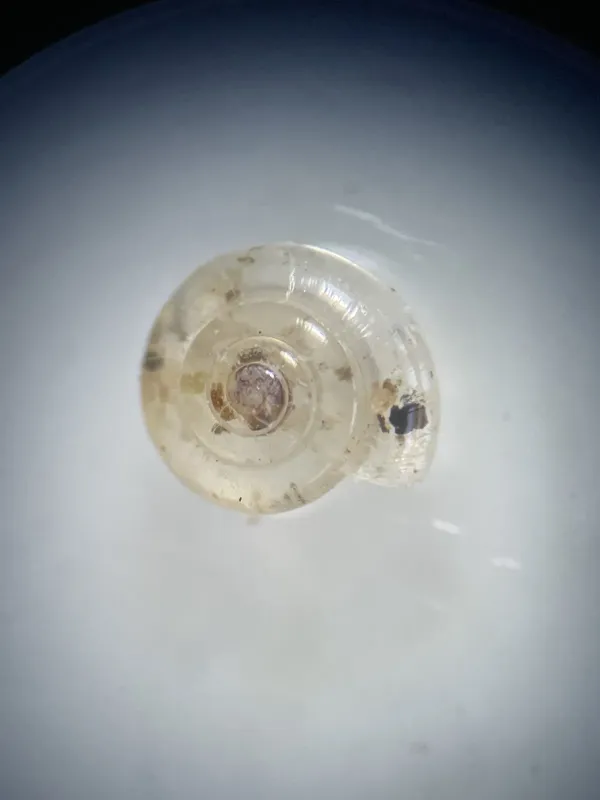
Description
How to identify
Vitrea crystallina, commonly known as the crystal snail, is a minute terrestrial gastropod belonging to the Zonitidae family. Its shell is glassy, translucent, and usually measures between 3 to 4 mm in diameter.
The body of the snail is pale grey or whitish, blending in perfectly with the soil substrate. Due to its extremely small size, it often goes unnoticed until significant damage to seedlings has already occurred.
These mollusks are hermaphroditic and highly prolific. They lay eggs in moist soil crevices or under decaying organic matter, which ensures the survival of the population through various seasonal changes.
The life cycle is strictly tied to environmental moisture. They spend most of their time in the upper layers of the soil, making them a cryptic and elusive pest for gardeners and farmers.
Their shells are fragile, but their ability to hide in deep soil cracks allows them to survive extreme weather conditions, including short-term droughts or cold spells.
What it damages
This snail species is a significant pest for vegetable crops, strawberries, and tender seedlings in both greenhouses and open fields. They primarily target the subterranean parts of plants, including roots and seeds.
Feeding damage involves gouging deep grooves into the root systems, which disrupts water and nutrient uptake. This leads to stunted growth, yellowing leaves, and the eventual death of young plantlets.
Furthermore, the damage caused by Vitrea crystallina creates entry points for various soil-borne pathogens, including bacteria and fungi, which can lead to secondary infections and rapid decay.
Leafy greens and root vegetables are particularly vulnerable during their early developmental stages. In high-density populations, these snails can destroy entire patches of young seedlings within a few days.
In greenhouses, the absence of natural predators combined with consistent irrigation creates an ideal environment for Vitrea crystallina to multiply rapidly and threaten crop health throughout the season.
When it appears
Activity is highest during the spring when temperatures begin to rise and soil moisture is plentiful. This coincides with the sowing and transplanting period, making it a critical time for protection.
During the dry summer months, they migrate deeper into the soil to escape desiccation. However, regular irrigation and mulch cover can keep them active near the surface even in the heat.
Autumn brings a resurgence in surface activity due to increased rainfall and cooler nights, allowing the snails to feed on late-season produce and prepare for the winter period.
They overwinter as adults or eggs in the soil or protected spaces like compost heaps. Their ability to remain dormant in the soil provides them with protection against freezing temperatures.
The peak period for economic damage is usually the early growing season, as young, delicate plant tissues are more accessible and easier for these small snails to consume.
Signs of infestation
The most visible signs of infestation are holes and rasping marks on roots and low-lying leaves. In many cases, the presence of shiny, dried mucus trails on the soil or stems confirms the activity of snails.
Affected plants often show signs of unexplained wilting or failure to establish properly. If you pull up a wilting plant, you may find visible damage or the snails themselves hidden near the roots.
Since these mollusks are nocturnal, they are rarely seen during the day unless the soil is disturbed or after heavy rain. They prefer moist, dark environments like those under decaying leaves or boards.
- Slimy, glistening trails on the ground surface.
- Unexplained yellowing and wilting of young seedlings.
- Gouged patches or irregular holes on roots and tubers.
Gardeners should perform inspections during dusk or immediately after irrigation to locate the snails and assess the extent of the infestation in vulnerable crop areas.
Control measures
The primary control strategy involves good sanitation: removing debris, weeds, and decaying organic material that provides shelter for the snails. Deep soil cultivation also helps expose them to predators.
Effective moisture management is crucial; avoid over-mulching or excessive irrigation in areas prone to infestation, as this reduces the favorable microclimate for the snails.
Chemical control with molluscicides, specifically those containing metaldehyde or iron phosphate, is effective when applied around the base of affected plants. Always follow local environmental guidelines.
Encouraging natural predators such as ground beetles, frogs, toads, and hedgehogs can provide a sustainable way to keep snail populations in check without relying on chemicals.
Physical barriers, such as spreading abrasive materials like wood ash, crushed eggshells, or lime around sensitive plants, can deter movement and prevent the snails from reaching their food sources.
Taxonomy
- Latin name
- Vitrea crystallina
- Order
- Molluscs
- Family
- Vitrinidae
- EPPO code
- VTRECR
Discussion
No discussions yet — be the first.