
Oriental hornet
Vespa orientalis
Description
How to identify
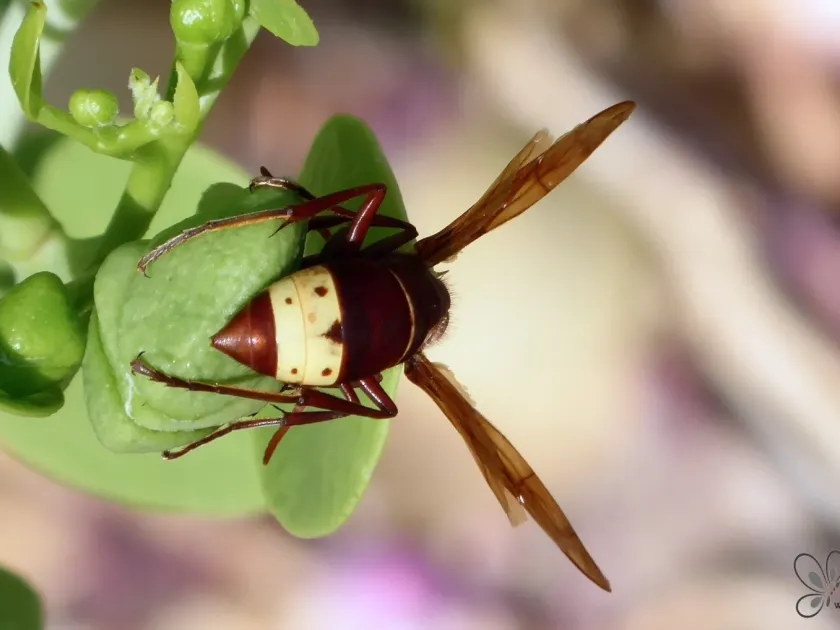
The Oriental hornet (Vespa orientalis) is a species of social wasp from the Vespidae family. It is a large insect, typically 25–35 mm long, easily recognized by its reddish-brown body color, a distinct wide yellow band on the abdomen, and a yellow patch on the head.
The life cycle begins in spring when a hibernating queen establishes a nest. By early summer, the first generation of workers emerges, taking over foraging, nest maintenance, and larvae rearing duties to ensure the rapid expansion of the colony.
Nests are typically constructed underground, in abandoned rodent burrows, or in wall cavities. This species is highly adapted to hot, arid climates, which allows it to thrive in regions where other hornet species might struggle to survive.
The Oriental hornet is known for its defensive behavior. When disturbed, it becomes highly aggressive, and its sting is significantly more painful than that of smaller wasps, carrying toxic venom that poses a severe risk to humans and livestock.
Colony activity peaks in late summer and early autumn. As temperatures drop, the colony begins to decline; workers and old queens die off, leaving only newly mated queens to find secure locations to overwinter until the following spring.
What it damages
The Oriental hornet is a destructive pest for fruit farming. It frequently attacks ripening grapes, peaches, pears, and figs, chewing through the skin to consume the sugary flesh, which subsequently leads to the rapid decay of the fruit.
Beyond direct consumption, the feeding activity of hornets causes significant secondary damage. The wounds created by hornets serve as entry points for fungi, bacteria, and secondary pests like fruit flies, often resulting in the loss of entire crop segments.
Apiaries face a catastrophic threat from this predator. Oriental hornets actively hunt honey bees, raiding hives to kill the adults and carry off the brood, which can lead to the collapse of even strong bee colonies if left unchecked during the peak season.
The presence of these insects interferes with farm operations. Due to the danger of stings, laborers are often unable to harvest crops effectively, leading to delays that increase the likelihood of fruit over-ripening or attracting more pests to the field.
Food processing facilities, such as wineries and fruit packing houses, are also vulnerable. Hornets are strongly attracted to fermenting juices and sugar-rich products, causing both economic losses and sanitary concerns in production areas.
Control measures
The primary method of control is the detection and elimination of nests. This task should ideally be performed at night when the hornets are less active, using registered insecticides or professional pest control services to ensure the entire nest is destroyed.
To protect orchards and vineyards, growers use bait traps. These traps are filled with a mixture of sugar syrup, yeast, or fermented fruit juices, positioned away from beehives to avoid attracting honey bees while effectively reducing the hornet population.
To safeguard apiaries, beekeepers should install hornet excluder screens at hive entrances. These devices allow honey bees to pass through while preventing the significantly larger Oriental hornets from entering the colony.
Sanitation is critical in the management of this pest. It is essential to remove all fallen, damaged, or rotting fruit from the ground immediately, as this material provides a primary food source that sustains the hornet colony near the crops.
- Regular inspection of sheds, attics, and ground areas for nest initiation.
- Use of protective netting over high-value grape varieties.
- Strategic placement of traps during the early summer colony-building phase.
Taxonomy
- Latin name
- Vespa orientalis
- Order
- Hymenoptera
- Family
- Vespidae
- EPPO code
- VESPOR
Discussion
No discussions yet — be the first.