
Norwegian wasp cuckoo
Dolichovespula adulterina
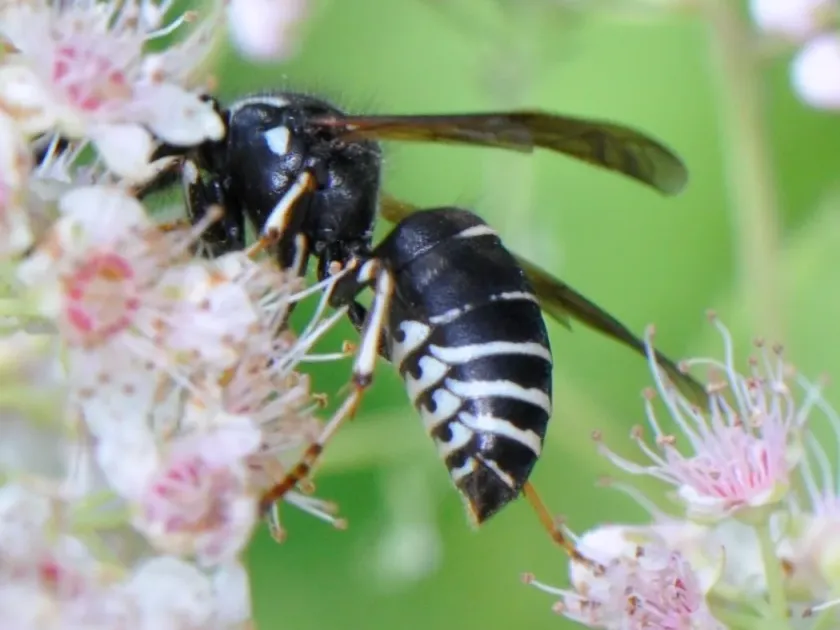
Description
How to identify
The Norwegian wasp cuckoo, Dolichovespula adulterina, is a social parasitic wasp species belonging to the Vespidae family.
This species is characterized by the total absence of a worker caste, making it dependent on the host colony for all labor.
The female cuckoo wasp has a reinforced exoskeleton, which serves as armor against the defensive stings of the host workers.
They are smaller and have distinct morphological features that allow them to mimic the host species while invading the nest.
Identification often requires expert knowledge of Hymenoptera anatomy due to the significant similarity to host species like Dolichovespula norwegica.
What it damages
While this wasp does not directly consume crops, it is considered an ecological nuisance for gardeners and farmers.
By parasitizing the nests of beneficial predatory wasps, it reduces the efficiency of natural pest control in gardens.
The host wasp colonies, which normally hunt for caterpillars and garden pests, become disrupted and eventually collapse.
This reduction in local predatory insect populations can lead to an increased presence of herbivorous pests on your vegetation.
Ultimately, the damage is indirect, manifesting as a loss of the biological suppression services provided by wild wasp populations.
When it appears
The lifecycle begins with fertilized females emerging from overwintering sites in early to mid-spring.
The critical period for nest invasion occurs throughout late spring and early summer when host nests are being established.
The parasite larvae develop within the nest during the summer months, fed by the host colony's dwindling worker force.
New queens and males emerge by late summer, marking the end of the reproductive cycle for the parasite.
After mating, females seek suitable sheltered environments to endure the winter months.
Signs of infestation
Signs of infestation include an uncharacteristic decline in the activity of a previously thriving wasp colony.
A reduction in foraging behavior among the wasp population at the nest entrance is a major indicator of parasitic invasion.
Host colonies infected with cuckoo wasps often exhibit less aggressive defensive behavior against external disturbances.
In visible nests, one may observe a decline in the standard larvae density or the presence of abnormal offspring.
Consistent monitoring during the spring can help identify if a specific wasp nest is failing prematurely.
Control measures
Direct control measures are rarely necessary as these wasps occupy a specific niche in natural ecological regulation.
If wasp population management is required, general bait traps are effective for reducing numbers in localized residential areas.
We advise against the use of broad-spectrum pesticides to prevent collateral damage to essential pollinators and natural enemies.
Cultural control involves removing old nests in late autumn to ensure that overwintering females do not return to the same location.
Maintaining a balanced ecosystem is the best long-term strategy for managing the impact of parasitic wasps in agricultural settings.
Taxonomy
- Latin name
- Dolichovespula adulterina
- Order
- Hymenoptera
- Family
- Vespidae
- EPPO code
- DOLVAD
Discussion
No discussions yet — be the first.