
Striated hairy snail
Trochulus striolatus
Description
How to identify
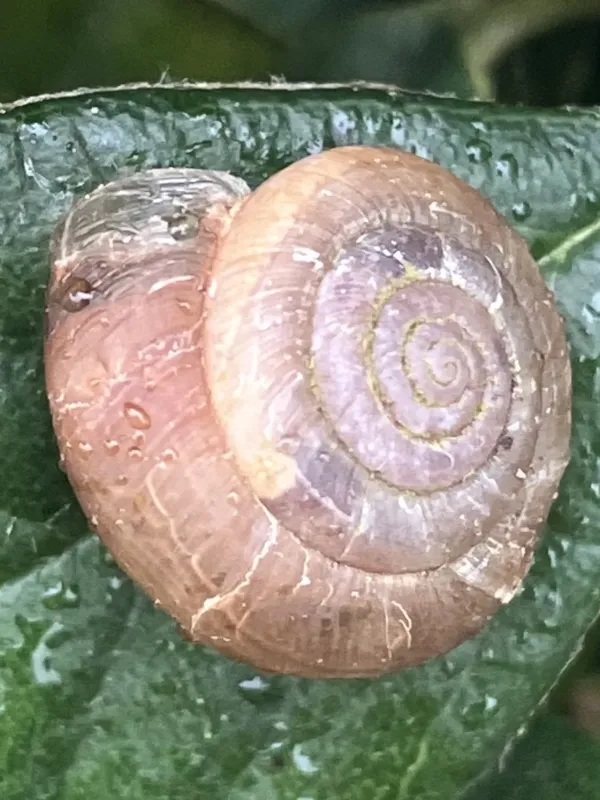
The striated hairy snail (Trochulus striolatus) is a small terrestrial gastropod mollusc belonging to the Hygromiidae family. The adult shell is typically 8–12 mm in diameter, exhibiting a rounded shape with fine, radial ribs and a brownish, horny coloration that helps it blend into its natural habitat.
These molluscs are often overlooked due to their small size and cryptic behavior. Their bodies range in color from light gray to yellowish-brown, which provides excellent camouflage against soil, mulch, and decaying organic matter where they spend most of their time.
Taxonomically, this species is classified under the class Gastropoda and the order Stylommatophora. They are highly dependent on moisture, requiring a microclimate with high humidity to survive, thrive, and reproduce effectively throughout the growing season.
Reproduction involves laying eggs in moist soil or sheltered areas under vegetation. In favorable conditions, such as wet springs or summers, these snails can increase their population density rapidly, posing a threat to various plant species.
Successful management of this pest requires an understanding of its preference for dark, damp locations. They are rarely seen during the day, as they retreat to crevices, stones, or thick foliage to avoid dehydration from sunlight and heat.
What it damages
The striated hairy snail is a polyphagous pest, meaning it feeds on a wide range of plant materials. Its primary victims are leafy vegetables such as lettuce, cabbage, and young seedlings that have not yet developed enough toughness to withstand mollusc grazing.
Ornamental plants and garden flowers are also significantly affected. The snails feed on buds, young leaves, and tender shoots, which can severely reduce the aesthetic value of a garden and cause developmental stunting in sensitive varieties.
Damage is primarily nocturnal. The snails emerge at night to feed, which explains why gardeners often notice missing foliage or damaged seedlings in the morning without seeing the culprit directly responsible for the destruction of their crops.
The damage manifests as irregular holes in the leaf blades. In cases of high infestation, these molluscs can completely skeletonize a leaf, leaving only the primary veins behind, which severely impairs the plant's photosynthetic capacity and overall health.
Furthermore, the mucus secreted by the snails during movement leaves a trail that can harbor pathogens. This slime layer creates a moist medium for fungal and bacterial infections, such as grey mold or various soft rots, which can lead to rapid decay.
When it appears
The seasonal activity of the striated hairy snail is tightly governed by rainfall and temperature. Activity begins in early spring, once the ground temperature rises above 5–8 degrees Celsius, signaling the end of the winter dormancy period.
The peak activity period usually occurs during the wet months of May and June. During this time, juveniles emerge from eggs, and adult snails are highly active, searching for fresh food sources to replenish their energy reserves and continue their life cycle.
Summer droughts act as a natural limiting factor for the population. When high temperatures and dry conditions persist, snails enter an aestivation state, burying themselves deeper into the soil or hiding under thick mulch to conserve moisture and avoid desiccation.
A second, smaller peak of activity often occurs in autumn, provided the weather remains humid and mild. This period is critical for the snails to feed and prepare for overwintering, as they need to store energy before the arrival of sub-zero temperatures.
Overwintering takes place in the soil, under piles of debris, or in protected crevices where the temperature remains slightly more stable. The species is resilient and can survive cold winters if they find adequate cover from freezing air.
Signs of infestation
The most reliable sign of a striated hairy snail infestation is the presence of silvery, dried mucus trails on leaves and soil. These trails reflect light and indicate the path the snail took while feeding during the previous night.
Inspecting the underside of leaves and the ground beneath containers or stones is a highly effective way to identify the presence of these pests. Damp, shaded areas are the most likely spots to find resting snails during the early morning hours.
Ragged leaf edges or irregular holes in the center of leaves are characteristic of mollusc grazing. Unlike insect damage, which is often cleaner or accompanied by frass, snail damage is frequently associated with the aforementioned slime traces.
Finding empty shells or shell fragments in the garden is another indicator of a past or current population. This should serve as an alert to monitor the area closely for active specimens that may still be causing damage to your plantings.
Using makeshift monitoring traps, such as moist wooden boards or pieces of wet cardboard, is an excellent way to confirm a population. Snails will naturally seek these out as daytime shelters, allowing you to easily find and address the infestation.
Control measures
Control strategies for the striated hairy snail should be integrated. Cultural practices are the first line of defense: regular weeding, clearing of plant debris, and soil cultivation are essential to eliminate the moist hiding spots that snails prefer during the day.
Managing soil moisture is key. Avoid evening irrigation if possible, as it provides the perfect damp conditions for snails to feed throughout the night. Drip irrigation is preferred as it keeps the surrounding soil surface dry, inhibiting snail movement.
Physical barriers like crushed eggshells, wood ash, or lime can be effective on a small scale. These materials are abrasive or dehydrating to the snails' soft bodies and act as a deterrent when placed around the base of vulnerable plants.
- Hand-picking and removal of snails in the evening.
- Installation of bait traps using beer or yeast-based mixtures.
- Use of biological control agents like parasitic nematodes.
- Application of metaldehyde-based molluscicides as a last resort.
Chemical control must be handled with care, strictly following the pre-harvest interval (PHI) and safety instructions. Ensure that any molluscicide used is safe for the local environment, beneficial insects, and domestic animals before application.
Taxonomy
- Latin name
- Trochulus striolatus
- Order
- Molluscs
- Family
- Hygromiidae
- EPPO code
- TRHIST
Discussion
No discussions yet — be the first.