
Trochoidea
Trochoidea
Description
How to identify
Trochoidea is a genus of land snails belonging to the Hygromiidae family. These gastropods are known for their ability to thrive in dry and semi-arid environments.
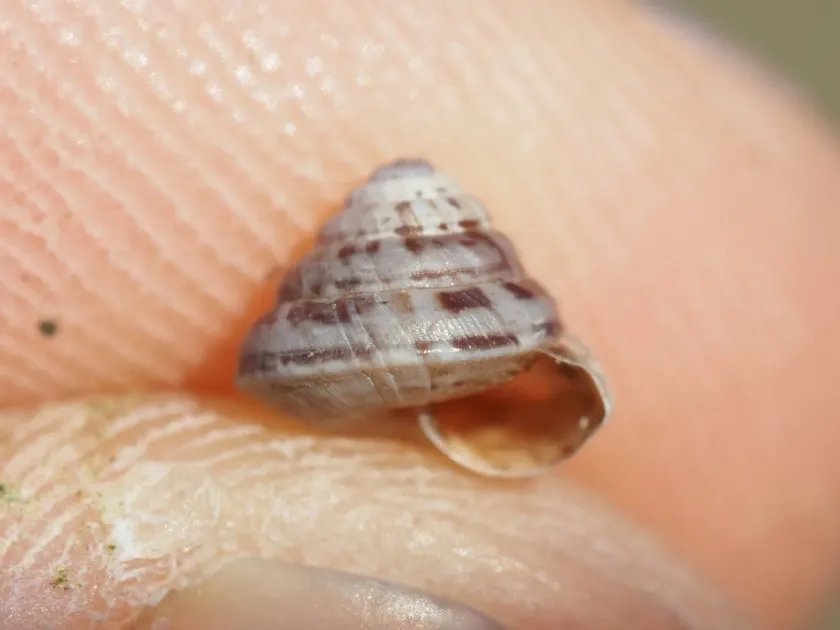
The shells of these snails are usually small, ranging from 10 to 15 mm, with a globose or slightly flattened shape and often feature distinct spiral bands.
Their soft bodies are typically pale in color. Being lung-breathing mollusks, they are well-adapted to surviving periods of drought by sealing their shells.
These snails reproduce by laying eggs in moist soil or under organic debris, ensuring the survival of their offspring even in challenging conditions.
Unlike some other snail species, Trochoidea are highly resilient to temperature fluctuations, making them a persistent threat to agricultural lands.
What it damages
Trochoidea cause significant damage by feeding on a variety of plants, including cereals, vegetables, and ornamental crops, often targeting young, succulent tissues.
The feeding process results in irregular holes in leaves and stems, which can severely stunt the growth of young seedlings and reduce plant vigor.
In addition to tissue loss, the snails contaminate the produce with their mucus and fecal matter, rendering the crop unmarketable for human consumption.
During outbreaks, these pests can destroy large areas of vegetation, leading to substantial yield losses in both commercial farms and home gardens.
Damaged plants are also more susceptible to opportunistic secondary infections, such as fungal pathogens and bacteria, entering through the feeding wounds.
When it appears
The activity of Trochoidea is highly dependent on moisture levels; they are most active during spring and autumn when temperatures are moderate.
During dry and hot summer months, these snails enter a period of dormancy, attaching themselves to dry plant stalks or hiding in deep soil crevices.
Warm, rainy weather acts as a trigger for them to emerge from their shelters to feed and breed, leading to spikes in population activity.
The life cycle is flexible, allowing the snails to adjust their development according to seasonal changes and resource availability.
Wintering occurs in the soil or protected niches, where they remain until environmental conditions become favorable for their metabolic processes again.
Signs of infestation
One of the primary signs of a Trochoidea infestation is the presence of jagged holes in leaves, often found on the underside or edges of the foliage.
Visible trails of dried, silvery-white mucus on plant stems and soil surfaces are a clear indication that a snail population is present in the area.
Active specimens can often be found near the base of plants or resting on stems during the early morning hours or late evening.
The presence of small, dark granular droppings on the soil or leaves is another diagnostic indicator of their feeding activity.
- Stunted or chewed-off seedlings in early spring.
- Wilting of plants due to severe stem tissue damage.
- Reduced photosynthesis efficiency following intensive leaf damage.
Control measures
Cultural control methods such as weeding and clearing debris are essential to eliminate the hiding places where snails aggregate during the day.
Tilling the soil regularly disrupts the snail life cycle by destroying their eggs and exposing individuals to natural predators and dehydration.
Physical barriers, such as copper tape or abrasive materials like crushed eggshells placed around high-value plants, can discourage the snails from feeding.
Chemical control involving molluscicides, specifically those labeled for agricultural use, is effective when applied strategically around the crop perimeter.
Integrated pest management strategies should emphasize biological control by fostering habitats for natural predators like frogs, toads, and birds.
Taxonomy
- Latin name
- Trochoidea
- Order
- Molluscs
- Family
- Hygromiidae
- EPPO code
- TOCHSP
Discussion
No discussions yet — be the first.