
Bib
Trisopterus luscus
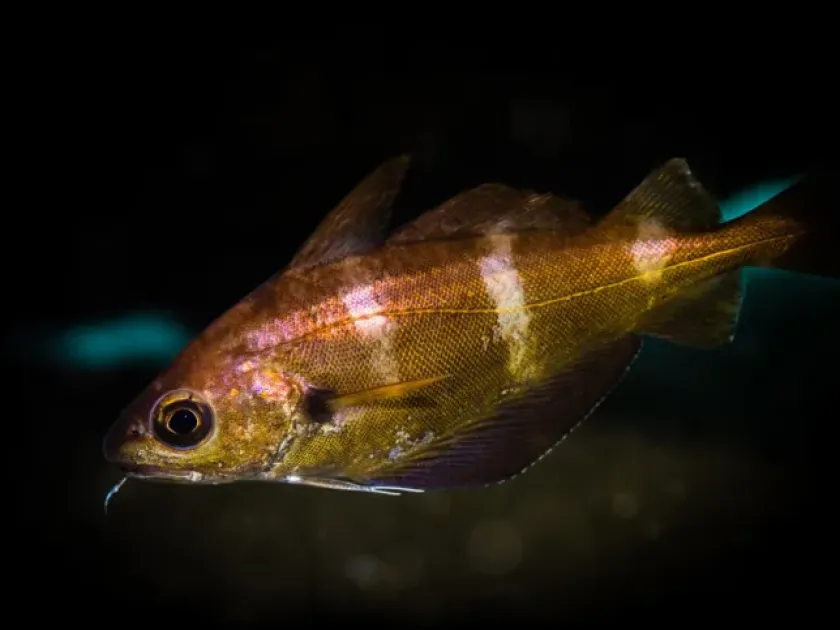
Description
How to identify
The Bib (Trisopterus luscus), also known as the pouting, is a member of the Gadiformes order and the Gadidae family.
It is a marine fish species found primarily in the coastal waters of the eastern Atlantic Ocean.
The species is physically characterized by three dorsal fins and a distinct barbel on its chin.
This species is not a plant pest, as its natural habitat is strictly restricted to saltwater environments.
Biologically, it is a demersal fish and has no interaction with agricultural plant species on land.
What it damages
The Bib does not cause damage to vegetables, cereals, or orchard crops as it is neither an insect pest nor a pathogen.
In the context of agronomy or commercial farming, this species poses absolutely no threat to yields in open or protected ground.
The only point of intersection with agriculture is in aquaculture, where this fish might be a target species.
The lack of interaction with terrestrial ecosystems makes it impossible to classify the Bib as an agricultural pest.
Any claims regarding the "pest" nature of this fish are strictly biological misinterpretations or confusion with land-based organisms.
When it appears
The activity patterns of the Bib are determined by its reproductive cycle in marine environments, not by plant phenology.
Spawning generally occurs during the winter and spring months, completely isolated from agricultural fieldwork.
Temperature requirements for the survival of the species preclude its presence in agricultural soil or fields.
Migrations are dependent on sea surface temperatures and the availability of oceanic prey.
Therefore, for an agronomist, the concept of a "season of appearance" for this species is irrelevant.
Signs of infestation
Since the Bib is not a pest, there are no plant symptoms such as leaf defoliation or root damage associated with it.
Finding a fish on a plot would only suggest accidental disposal or the use of fish-based fertilizers.
Do not confuse this marine species with terrestrial parasites that might share similar common names in various languages.
When utilizing fish meal as organic fertilizer, ensure the product is properly composted to prevent odors or pathogens.
There are no specific diagnostic signs or infestation symptoms related to this biological species in an agronomic setting.
Control measures
No plant protection measures against the Bib are necessary, as it poses no threat to agricultural ecosystems.
Attempting to control this species in an agricultural setting would be entirely useless and illogical.
If utilizing marine-based waste for fertilization, simply follow standard application guidelines for organic soil amendments.
Agronomists are advised to focus on controlling actual pests relevant to their specific crops and climatic zones.
Use local pest management manuals to identify and manage genuine threats to your agricultural yields.
Taxonomy
- Latin name
- Trisopterus luscus
- Family
- Gadidae
- EPPO code
- TPTULU
Discussion
No discussions yet — be the first.