
Ciliary nematode
Ciliata
Description
How to identify
The ciliary nematode refers to a group of nematodes characterized by the presence of sensory cilia or setae on their bodies. In an agronomic sense, these are micro-worms living in soil, often classified within the order Tylenchida or Dorylaimida depending on their nutritional habits.
These organisms are microscopic, transparent, and highly mobile. They move through the thin water films surrounding soil particles, which makes their population density directly dependent on soil moisture levels.
Systematically, they belong to the class Chromadorea. While many species are free-living and beneficial for soil decomposition, some have adapted to feed on plant root epidermal tissues, becoming significant agricultural pests.
Their biological lifecycle is characterized by rapid development. Under favorable temperature and moisture conditions, they progress through several larval stages before reaching sexual maturity, often completing a full cycle within a few weeks.
These nematodes possess specialized oral stylets used for piercing plant cells. This structure allows them to efficiently extract nutrients, causing mechanical damage to the host root systems.
What it damages
Ciliary nematodes affect a wide variety of crops, including cereals, vegetables, and ornamental plants. They primarily target the root systems of seedlings and young plants, significantly hindering their establishment.
Damage occurs when the nematode feeds on root cells, leading to localized cell death and disrupting the plant's ability to absorb water and essential nutrients, which often mimics drought stress symptoms.
Greenhouse environments are particularly conducive to nematode outbreaks due to constant humidity and optimal temperatures, leading to rapid population growth and high levels of crop destruction.
Root damage serves as an entry point for various secondary pathogens, including bacteria and fungi, which cause rot and decay. This complex infection often makes the plant's condition irreversible.
The economic impact of these nematodes includes reduced growth rates, uneven crop maturation, and significant yield losses, as well as a decrease in the overall quality and market value of harvested produce.
When it appears
Activity usually begins in the spring when soil temperatures reach 15°C (59°F). During this phase, overwintered eggs hatch, and larvae actively begin searching for root sources for food.
The peak of their activity occurs during the height of the growing season. Warm and moist soil conditions accelerate their metabolic rate and reproduction, resulting in multiple overlapping generations.
As the season turns to autumn, these nematodes migrate deeper into the soil profile to avoid freezing temperatures and desiccation. They prepare for dormancy, remaining present in the soil for the next season.
In indoor agricultural settings, the season for ciliary nematodes is continuous. Without proper sanitation, their populations can build up to destructive levels throughout the year regardless of external weather.
Monitoring for these pests should be conducted throughout the growing cycle, as localized outbreaks can spread quickly if left unattended during the critical early stages of crop development.
Signs of infestation
Visible symptoms of infestation include stunted growth, chlorosis, and wilting of the foliage despite adequate irrigation. The plants appear sickly and lag significantly behind in development.
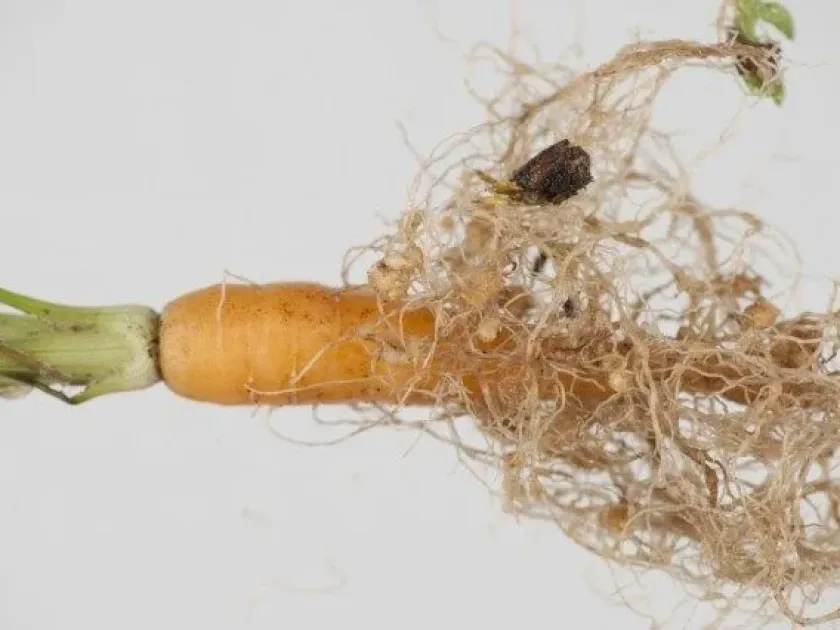
The root system often exhibits signs of damage such as swelling, galls, or necrosis. The absence of fine root hairs is a classic diagnostic marker for nematode activity in many crop types.
In root vegetables like carrots or potatoes, you may observe lesions, scabbing, or deformities on the surface. These physical imperfections make the crop unmarketable and prone to storage decay.
On a field scale, nematode damage manifests as irregular patches of stunted plants. These patches tend to expand annually if the population is not managed or if host crops are repeatedly grown.
Microscopic identification of soil and root samples remains the most accurate way to confirm a ciliary nematode infestation before extensive crop damage occurs across the field.
Control measures
Crop rotation is the most effective preventative strategy. By removing the host plants for several years, growers can force the nematode population to decline due to the lack of a suitable food source.
Cultural practices such as proper tillage and weeding help disrupt the soil environment and destroy alternative weed hosts, reducing the pest's chances of survival during the off-season.
Biological control methods involve the use of bio-pesticides containing nematophagous fungi or bacteria that target and consume nematodes without harming the surrounding soil microbiome.
- Utilizing resistant crop varieties to prevent nematode establishment.
- Applying green manure/cover crops like mustard to suppress nematode levels.
- Implementing thermal soil sterilization in greenhouses (steam treatment).
- Regular laboratory monitoring of soil samples to guide management decisions.
Chemical control should be used as a last resort, relying on registered nematicides applied according to strict safety guidelines to minimize environmental impact on beneficial soil organisms.
Taxonomy
- Latin name
- Ciliata
- Family
- Gadidae
- EPPO code
- CILISP
Discussion
No discussions yet — be the first.