
Eucalyptus psyllid
Triozoida limbata
Description
How to identify
The Eucalyptus psyllid (scientific name Triozoida limbata) is a small sap-sucking insect belonging to the order Hemiptera and the family Triozidae. These insects are specialized pests that have evolved to live specifically on eucalyptus species.
Adult psyllids are small, winged insects capable of jumping, which allows them to spread rapidly within a grove or between plantations. Their bodies are adapted for survival in the foliage of host trees.
The life cycle consists of the egg, nymph, and adult stages. Nymphs are particularly damaging as they are stationary and spend their time feeding on the plant tissues, often secreting protective wax or honeydew.
Environmental conditions such as temperature and humidity significantly influence the reproduction rate. During warmer periods, they can produce multiple overlapping generations, leading to explosive population growth.
Being a host-specific pest, the Eucalyptus psyllid is perfectly morphologically and physiologically adapted to exploit the nutrient-rich sap of eucalyptus trees.
What it damages
The primary host plants are various species within the Eucalyptus genus. Both young nursery seedlings and mature trees in forestry plantations are highly susceptible to infestation by this insect.
Nymphs feed by piercing the surface of young leaves and shoots, drawing out essential fluids. This systemic draining causes severe physiological stress and inhibits the tree’s overall growth rate.
Heavy infestations lead to leaf deformation, premature leaf drop, and dieback of young twigs. This loss of canopy density negatively impacts the tree's photosynthetic capacity.
The damage caused by the psyllid also facilitates the entry of secondary pathogens, such as fungi and bacteria, which can cause further tissue necrosis or systemic disease in the host plant.
In economic terms, this pest causes significant loss in biomass production, which is a major concern for commercial eucalyptus plantations aimed at timber or oil production.
Signs of infestation
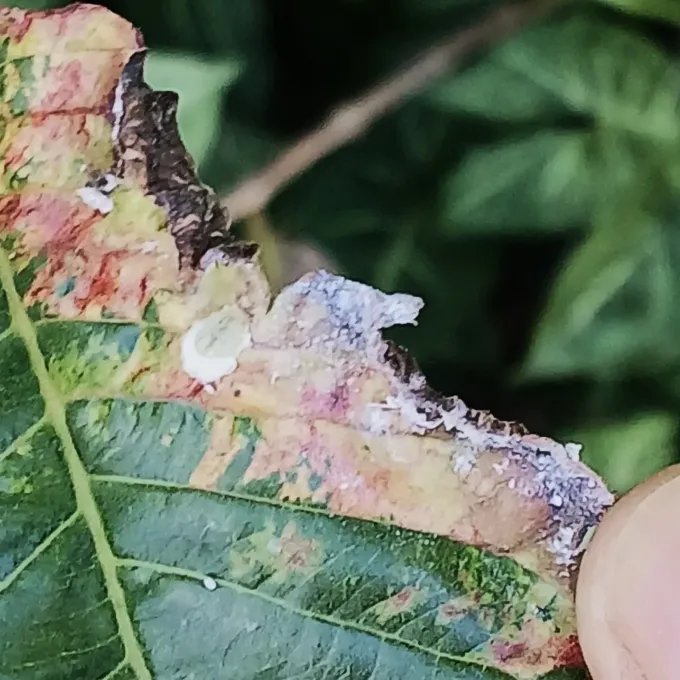
The most noticeable sign of infection is the curling or distortion of leaf edges, where the nymphs congregate to feed. Leaves may also show signs of chlorosis or unusual discoloration.
A sticky substance known as honeydew is typically present on the leaf surface, which encourages the growth of sooty mold. This mold appears as a black coating on leaves and stems, further hindering photosynthesis.
Upon closer inspection of the underside of the leaves, one can find clusters of nymphs often obscured by a whitish, cottony, or waxy substance that serves as their protective covering.
Trees affected by the psyllid often show reduced shoot elongation and a stunted appearance. If the tree looks generally thin and lacks vigorous growth in the canopy, it is a likely indicator of a psyllid outbreak.
Ant activity on the branches is another common secondary indicator, as these insects are attracted to the sweet honeydew secretions produced by the feeding psyllid nymphs.
Control measures
Effective management requires a combination of monitoring and intervention. Using yellow sticky traps is a reliable method for detecting adult psyllid activity and timing chemical applications correctly.
Systemic insecticides are generally effective because they circulate within the plant’s tissues, targeting the nymphs as they feed. It is essential to use selective chemicals that preserve beneficial predatory insects.
Biological control methods involve releasing or promoting natural enemies, such as parasitic wasps and predatory bugs, which can significantly reduce psyllid populations in natural and cultivated environments.
- Regular pruning and destruction of infested branches to reduce local populations.
- Maintaining tree vigor through proper fertilization and irrigation.
- Selecting resistant eucalyptus cultivars or species during the planting phase.
An integrated pest management (IPM) approach remains the best practice, ensuring that damage is kept below economic thresholds while minimizing the use of broad-spectrum pesticides.
Taxonomy
- Latin name
- Triozoida limbata
- Order
- Hemiptera (bugs, aphids, leafhoppers)
- Family
- Triozidae
- EPPO code
- TRIQSY
Discussion
No discussions yet — be the first.