
Trioza anceps
Trioza anceps
Description
How to identify
Trioza anceps belongs to the family Triozidae, which is part of the order Hemiptera. These insects, commonly known as jumping plant lice, are characterized by their small size and robust hind legs adapted for jumping.
Adult insects typically measure between 2 and 3 millimeters in length. Their coloration is usually a blend of green and brown, serving as an effective camouflage against the background of host plant leaves.
The nymphal stages are flatter and often stationary. They are frequently found on the undersides of leaves, protected by a waxy substance they secrete to guard against environmental hazards.
The life cycle involves an egg stage, several nymphal instars, and the adult stage. Development is highly dependent on ambient temperature, with peaks in activity occurring during the spring growth flush.
Identification is best achieved by inspecting the underside of young leaves for the presence of nymphs or the adults that jump away quickly when the foliage is disturbed.
What it damages
The primary hosts for Trioza anceps are various species within the Salix (willow) genus. They target tender, developing tissues of the plant, which are rich in nutrients needed for the pest's development.
While the impact on mature trees is often limited to localized cosmetic damage, young saplings and nursery stock can suffer significantly reduced growth rates when heavily infested.
Damage is caused by the insertion of piercing-sucking mouthparts into the plant tissue, coupled with the injection of salivary fluids that disrupt normal cellular function and lead to tissue proliferation.
The plant's resources are redirected to form galls or abnormal growths rather than healthy foliage, which places additional stress on the tree during the peak growing season.
Consistent damage can compromise the structural integrity of new shoots and leaves, leading to a noticeable decline in the health and aesthetic value of the affected vegetation.
Signs of infestation
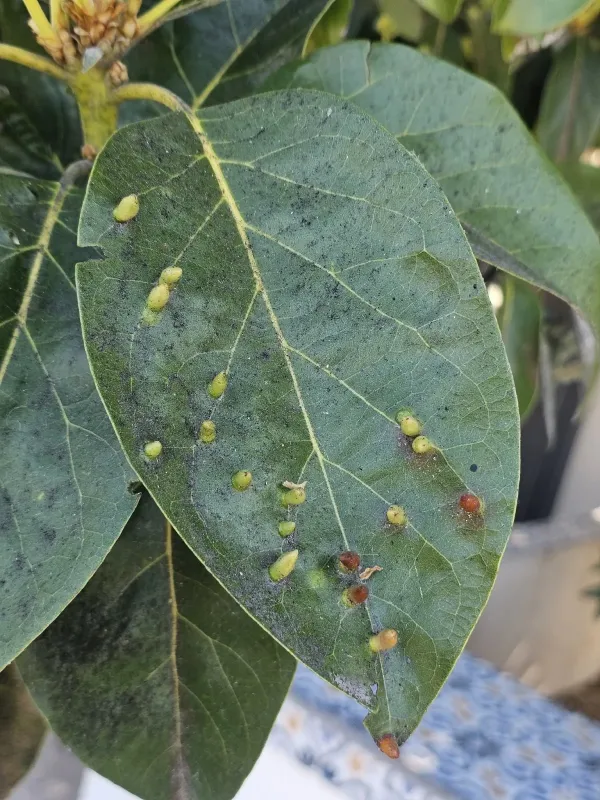
The most distinctive sign of infestation is the formation of galls—abnormal leaf swellings where the larvae reside and feed safely, protected from predators and chemical sprays.
Leaves often exhibit curling, thickening, and discoloration. These distortions occur as the plant reacts to the physiological stress caused by the feeding activity of the psyllids.
Honeydew, a sticky secretion left behind by the insects, is frequently found on leaves and stems. This substance attracts ants and promotes the growth of sooty mold, which blocks sunlight.
A high density of jumping adults when brushing against plant branches is a strong indicator of an active population requiring management attention.
Early leaf drop and stunted shoot tips are diagnostic indicators that the infestation has reached a level where plant vigor is being significantly impacted.
Control measures
Integrated Pest Management (IPM) is the most sustainable approach for managing Trioza anceps. This includes cultural practices like the removal of heavily infested shoots in the early spring.
Chemical control should be reserved for periods of high infestation, utilizing systemic insecticides that are absorbed by the plant to reach hidden nymphs effectively.
Encouraging natural predators, such as lady beetles, lacewings, and parasitic wasps, plays a vital role in maintaining the population at a manageable level within the ecosystem.
Regular monitoring helps in timing treatments correctly, ensuring that applications occur when nymphs are most vulnerable before they cause excessive structural damage.
- Implement pruning of infested areas to reduce overwintering sites.
- Use yellow sticky cards to monitor adult population levels.
- Apply targeted insecticides when local thresholds are exceeded.
Taxonomy
- Latin name
- Trioza anceps
- Order
- Hemiptera (bugs, aphids, leafhoppers)
- Family
- Triozidae
- EPPO code
- PARZAN
Discussion
No discussions yet — be the first.