
Trioza
Trioza
Description
How to identify
Trioza is a genus of insects in the family Triozidae, belonging to the order Hemiptera. These small insects, commonly known as psyllids or jumping plant lice, are significant agricultural pests.
Adult Trioza are typically 2 to 4 millimeters long, characterized by their jumping legs and clear, roof-like wings. They are highly mobile and can quickly colonize healthy plants.
The nymphs are relatively stationary, often covered in waxy secretions that act as a shield against predators and environmental factors. Their appearance is typically flattened and oval-shaped.
The life cycle involves incomplete metamorphosis: egg, nymph, and adult. Eggs are usually laid in clusters on young, tender leaves or leaf petioles to ensure food availability for newly hatched nymphs.
Trioza species are known for their high reproductive potential, often completing multiple generations within a single growing season under favorable climate conditions.
What it damages
Trioza species are specialized sap-suckers that target various plant families, including Apiaceae (carrots, celery) and Solanaceae. They extract plant sap, which is vital for the development of the host.
The damage is caused by both adults and nymphs. As they feed, they inject toxic saliva into the plant tissues, which disrupts the normal flow of nutrients and triggers abnormal cell growth.
Common symptoms include leaf curling, yellowing, and severe deformation, often referred to as "galling" or "curd-leaf" symptoms, which significantly reduce the plant's photosynthetic capacity.
In addition to direct physical damage, these pests are dangerous vectors for various plant viruses and phytoplasmas. These pathogens can cause diseases that are often fatal to crops.
Economic damage manifests as stunted growth, reduced yield, and poor quality of produce, often making the crops unsellable in commercial markets.
When it appears
Adult psyllids emerge from their overwintering sites in early spring as soon as temperatures rise, typically coinciding with the start of the new growing season for host plants.
The population density usually peaks during the warm summer months. This period is critical for crop management, as multiple generations may overlap, leading to continuous pressure on the plants.
In temperate climates, the insects remain active until the late autumn when dropping temperatures trigger them to seek refuge for the winter, usually in bark crevices or weeds.
Monitoring the seasonal activity is essential. Using sticky traps or visual inspections during the early stages of plant development allows for timely intervention before the population explodes.
Understanding the life cycle relative to local seasonal weather patterns helps farmers time their preventive measures to coincide with the most vulnerable stages of the pest.
Signs of infestation
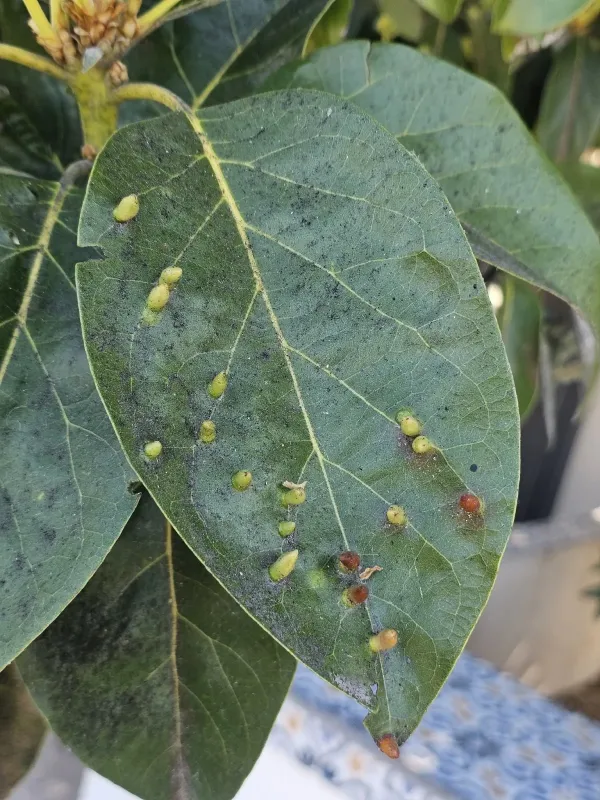
Visual identification of infestation starts with leaf deformation. Leaves may look twisted, bunched together at the terminal buds, or show premature yellowing patterns.
A distinctive sign is the presence of honeydew on the lower leaf surfaces, which is a sticky excretion left by the nymphs while feeding on the plant sap.
Sooty mold growth is often observed on leaves contaminated with honeydew. This black, powdery fungus thrives on the sugars in the excretion, further damaging the plant by blocking sunlight.
In some species, the formation of galls — abnormal swelling of plant tissue — is a classic indication of Trioza feeding, particularly on young leaves and stems.
A general lack of vigor and stunted development in specific patches of the garden or field is a strong indicator that a psyllid infestation is present and spreading.
Control measures
Effective management involves an integrated approach combining biological, cultural, and chemical controls to minimize damage while preserving beneficial insect populations.
Cultural practices are paramount, such as removing crop residues, managing weeds that act as alternative hosts, and utilizing physical barriers like row covers to prevent colonization.
Chemical control should be targeted to specific stages of the Trioza life cycle. Using systemic insecticides during the early infestation stage provides the best results for crop protection.
Biological control involves encouraging natural predators like ladybirds, lacewings, and parasitic wasps, which can help keep psyllid populations below the economic threshold.
- Use yellow sticky traps for population monitoring.
- Maintain proper plant spacing to improve airflow.
- Apply neem oil or insecticidal soaps for early-stage infestations.
- Practice regular crop rotation to break the pest cycle.
- Monitor the underside of leaves for eggs and nymphs.
Taxonomy
- Latin name
- Trioza
- Order
- Hemiptera (bugs, aphids, leafhoppers)
- Family
- Triozidae
- EPPO code
- TRIZSP
Discussion
No discussions yet — be the first.