
Trichodorus primitivus
Trichodorus primitivus
Description
How to identify
Trichodorus primitivus is a soil-dwelling, ectoparasitic nematode belonging to the Trichodoridae family. These microscopic worms, known as stubby root nematodes, are highly mobile in the soil, moving through the water films between soil particles.
The adult nematode is roughly 0.6 to 1.0 mm in length. Its body is transparent, making it difficult to detect with the naked eye. It feeds on plant roots from the exterior without embedding itself inside the root tissue.
The organism uses its unique feeding structure, called an onchiostyle, to pierce root cells and extract nutrients. This feeding method directly impacts the root's ability to grow and function correctly.
The life cycle involves eggs, juvenile stages, and adults, with the entire cycle occurring within the soil environment. Warm, moist conditions with light, sandy soil textures are ideal for their rapid reproduction and movement.
Beyond direct feeding damage, Trichodorus primitivus is a significant vector for tobraviruses, such as the Tobacco Rattle Virus (TRV), which causes severe economic loss in various vegetable and tuber crops.
What it damages
Trichodorus primitivus affects a wide range of host plants, including potatoes, sugar beets, onions, and various horticultural crops. It is particularly devastating in crops grown in light, coarse-textured soils.
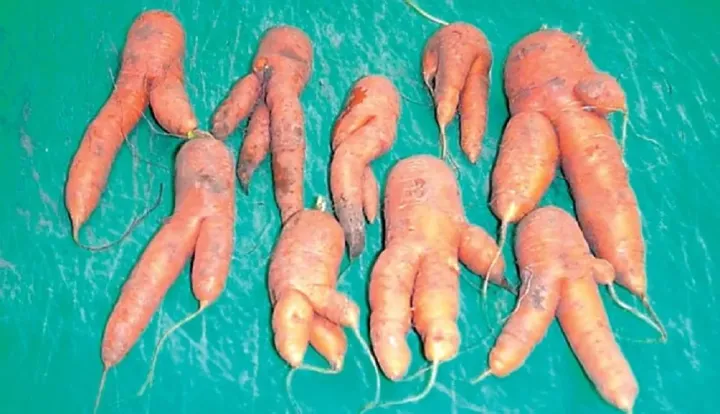
Feeding occurs primarily on the meristematic tissues at the root tips. This disrupts the plant's ability to grow new roots, leading to the characteristic "stubby root" condition where root systems are severely underdeveloped.
Once the root tips are damaged, the plant's uptake of water and nutrients is severely impaired, causing stunted growth, wilting, and poor biomass production above the ground.
When the nematode transmits a virus, the damage extends to systemic infection. This can lead to necrosis of the tubers (specifically in potatoes), making them completely unsuitable for sale or seed use.
The combination of stunted roots and viral diseases makes the crop highly susceptible to environmental stress, further compounding the total yield loss for the agricultural producer.
Signs of infestation
The most common field symptom is patchy growth. Areas of the field appear yellow, stunted, and less vigorous compared to healthy surrounding crops, which is often a result of uneven nematode distribution.
Upon examination of the root system, one will observe that the roots are short, thickened, and lack healthy lateral branching. Instead, they may show multiple small, bunched root tips, which is a classic diagnostic sign.
Above-ground foliage often shows symptoms of nutrient deficiency. Since the roots cannot function properly, plants fail to respond to standard fertilization, showing persistent chlorosis or yellowing.
Viral symptoms, such as ringspots, mosaic patterns, or necrotic lines on the leaves, indicate that the nematode has successfully transmitted a virus during its feeding process.
If these symptoms appear, diagnostic soil sampling is necessary to quantify the nematode population and confirm that Trichodorus primitivus is the causal agent behind the poor crop performance.
Control measures
Implementing a strict crop rotation strategy is essential. By planting non-host crops, farmers can effectively lower the nematode population in the soil over time, breaking the parasite's life cycle.
Sanitation is a vital prevention method. Cleaning all agricultural machinery and tools between fields is critical to prevent the transfer of infested soil particles containing nematode eggs or adults.
Weed management is equally important. Many weeds act as alternative hosts that allow the nematode and the associated viruses to survive and persist in the field between primary crop cycles.
Chemical control via nematicides is an option when populations exceed the economic threshold, though it must be used sparingly and in accordance with strict environmental regulations and local guidelines.
Biological solutions are gaining popularity, involving the introduction of specific bacteria or fungal species that prey on or inhibit nematode activity, providing a sustainable way to keep populations under control.
Taxonomy
- Latin name
- Trichodorus primitivus
- Order
- Nematodes
- Family
- Trichodoridae
- EPPO code
- TRIHPR
Discussion
No discussions yet — be the first.