
Togo hemipterus
Togo hemipterus
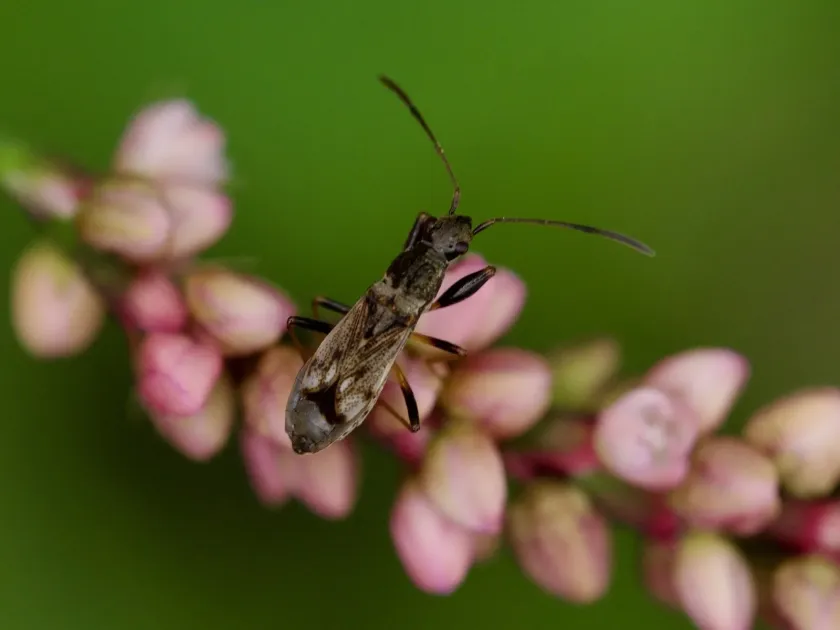
Description
How to identify
Togo hemipterus is an insect belonging to the family Aradidae, commonly known as flat bugs. They are characterized by their extremely flattened bodies, an adaptation that allows them to live in narrow crevices, such as under bark scales or within the dense leaf bases of palms.
The adult insect is typically dark brown or black in color. Their head is relatively small and features specialized mouthparts designed for piercing plant tissues and feeding on sap. Due to their morphological traits, they are often difficult to detect during initial infestations.
The life cycle involves multiple developmental stages. Eggs are laid in protected sites, followed by several nymphal instars that resemble the adults but lack functional wings. Both nymphs and adults share similar ecological requirements.
Reproduction is prolific in warm, humid climates, allowing the population to grow rapidly if left unchecked. They are particularly successful in habitats where palms are grown in close proximity, facilitating easy dispersal.
Understanding their behavior is critical for early detection. Because they prefer cryptic habitats, standard visual surveys may often overlook initial colonies within the palm canopy or stem.
What it damages
The primary hosts of Togo hemipterus are various species within the Arecaceae family. They are notably recognized as pests of coconut and oil palms in tropical regions, causing significant stress to these crops.
Damage is inflicted through constant sap-sucking, which deprives the palm of essential nutrients and moisture. The localized toxicity from their saliva can also cause necrotic lesions at the feeding sites.
These feeding sites serve as entry points for secondary infections by opportunistic fungi and bacteria. Consequently, the physical damage from the bugs is often compounded by systemic diseases that further compromise the palm's health.
In nurseries, infestation can lead to stunted growth and high seedling mortality. A compromised palm is less capable of recovering from environmental stress or secondary pest pressure.
Mature trees affected by this pest show reduced fruit yield and vigor. Over time, the cumulative impact of chronic infestation can lead to the total decline and death of the plant.
Signs of infestation
The first external signs of Togo hemipterus include yellowing of the foliage and the appearance of small necrotic patches on the leaves. These symptoms worsen as the population density increases within the tree.
Dark frass or excrement trails on the bark surface are clear indicators of a resident colony. Inspection under loose bark or between the leaf bases often reveals clusters of the insects.
Distorted growth patterns are common in heavily infested palms. Because the pest affects the vascular transport efficiency, the overall appearance of the tree becomes sparse and weak.
Premature leaf drop is frequently observed in palms that have been subjected to long-term feeding by these bugs. This reduction in the photosynthetic surface area accelerates the decline of the plant.
In severe cases, the apical bud may show signs of tissue decay, which is often a fatal symptom for the palm tree, rendering further treatment efforts ineffective.
Control measures
Phytosanitary measures are the first line of defense. Strict quarantine protocols must be enforced when importing palms from endemic regions to prevent the accidental introduction of this pest.
Good agricultural practice requires the regular removal of dead bark and dry leaf debris from the palm stem. This practice removes essential nesting sites and significantly reduces the pest population.
Chemical control is effective when using systemic insecticides that are absorbed by the plant. Regular applications during the peak development stages of the pest provide the most reliable protection.
Biological control options should be explored to manage populations in an environmentally friendly manner. Encouraging natural predators can help keep the pest density below the economic injury level.
- Implement strict quarantine and inspection of planting stock.
- Maintain orchard hygiene by removing dead plant material.
- Use systemic insecticides for targeted pest suppression.
- Monitor palm health to detect early stages of infestation.
Taxonomy
- Latin name
- Togo hemipterus
- Order
- Hemiptera (bugs, aphids, leafhoppers)
- Family
- Lygaeidae
- EPPO code
- TOGOHE
Discussion
No discussions yet — be the first.