
Aphanus
Aphanus
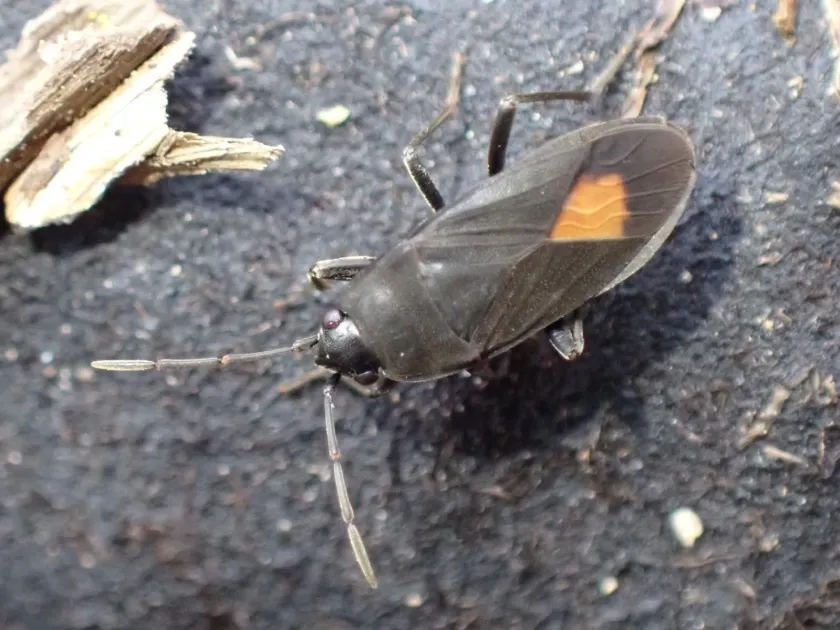
Description
How to identify
Aphanus is a genus of insects belonging to the family Rhyparochromidae within the order Hemiptera. These small ground-dwelling bugs are characterized by a dark or mottled appearance, which provides excellent camouflage against soil debris and plant matter.
The morphology of these bugs is well-adapted for life near the ground surface. They feature robust, four-segmented antennae and well-developed eyes, which serve as essential diagnostic traits for entomologists and field agronomists to identify the genus accurately.
Aphanus species are highly adaptive to diverse micro-environments. They prefer dry and warm habitats, making agricultural fields with sufficient soil moisture and plant cover ideal locations for their colonization and population growth.
The life cycle encompasses egg, nymphal stages, and the adult phase. Adults overwinter in protected sites, such as under leaf litter, within soil crevices, or among dry vegetation at field margins, ensuring their survival during winter months.
Due to their cryptic lifestyle, these bugs are often overlooked during initial field inspections. Understanding their biological behavior is crucial for timely detection and prevents the escalation of populations within the crop canopy.
What it damages
Aphanus bugs cause damage to various grain, legume, and vegetable crops by utilizing their piercing-sucking mouthparts to extract sap from plant tissues. This feeding process deprives plants of essential nutrients during critical growth stages.
Significant damage occurs during the seed formation and grain filling phases. Infestations can lead to stunted growth, grain shriveling, and a substantial decrease in overall crop yield, impacting both quantity and quality of the final harvest.
Feeding punctures often lead to localized tissue necrosis. In some cases, the saliva injected by the bugs may trigger plant stress responses or facilitate the entry of secondary pathogens, including various fungal or bacterial diseases.
Weeds often serve as secondary hosts for Aphanus during the off-season. This emphasizes the role of weed management in integrated pest control, as removing alternative hosts significantly reduces the bug's survival rates near fields.
The severity of the damage is highly dependent on environmental conditions, particularly drought. When crops are already stressed by water deficiency, the added pressure from pest feeding can become a major limiting factor for productivity.
When it appears
The emergence of Aphanus from hibernation sites begins in early spring as soil temperatures rise. Initially, populations are typically found on early emerging crops or surrounding weed hosts that provide early-season nutritional resources.
Peak activity generally occurs during mid-summer. Favorable weather conditions, specifically warm and stable temperatures, promote rapid development and high reproduction rates, leading to increased bug pressure on cultivated crops.
As the season shifts toward autumn and harvesting concludes, bug activity begins to decline. Adults enter a dispersal phase, actively seeking suitable locations for overwintering where they can remain protected until the following spring.
The seasonal development is closely linked to the availability of field cover. High amounts of crop residue can create favorable microclimates for nymph development, potentially causing population spikes if not managed correctly.
Monitoring seasonal trends involves using pitfall traps or sweep-net sampling. Early-season detection helps agronomists estimate potential pressure and implement necessary interventions before the bugs cause widespread crop damage.
Control measures
Effective management relies on an integrated approach combining cultural and chemical tactics. Deep tillage after harvesting is one of the most effective methods to disturb overwintering sites and reduce the pest population for the upcoming season.
Sanitation of field borders and the removal of weeds are essential preventive practices. By eliminating alternative host plants, the availability of food and shelter for the bugs is significantly restricted, minimizing their presence.
Chemical control is employed when the economic injury level is reached. The application of systemic or contact insecticides should be timed to match the most vulnerable stages of the insect's life cycle to ensure maximum effectiveness.
- Implementation of crop rotation.
- Deep autumn plowing to eliminate overwintering sites.
- Rigorous weed management in and around fields.
- Regular field scouting using insect traps.
- Targeted insecticide applications based on scouting results.
Sustainable pest management requires balancing chemical use with agricultural practices to protect beneficial organisms. Minimizing broad-spectrum insecticide usage helps maintain ecosystem health while effectively keeping Aphanus populations under control.
Taxonomy
- Latin name
- Aphanus
- Order
- Hemiptera (bugs, aphids, leafhoppers)
- Family
- Lygaeidae
- EPPO code
- APASSP
Discussion
No discussions yet — be the first.