
Plane lace bug
Arocatus longiceps
Description
How to identify
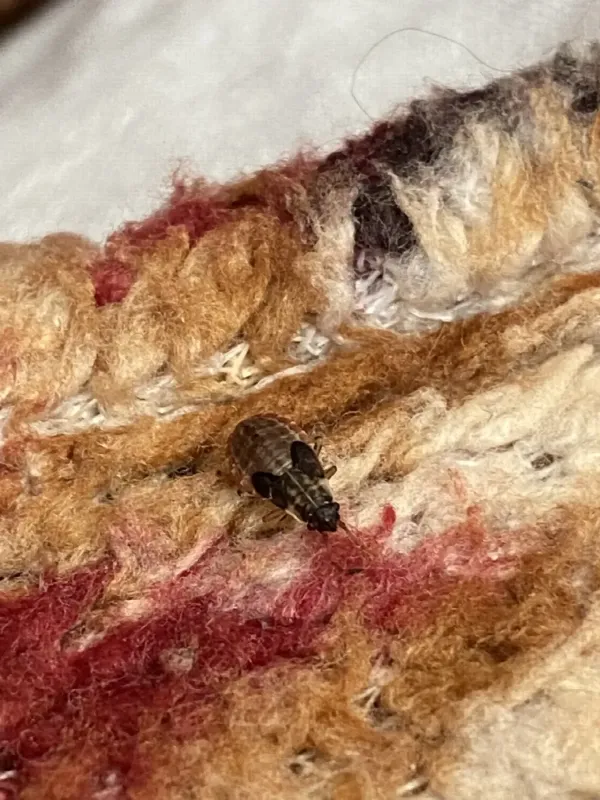
The plane tree bug, scientifically known as Arocatus longiceps, is a species of insect belonging to the family Lygaeidae within the order Hemiptera. These insects typically measure between 5 and 7 millimeters in length and feature a distinct reddish-orange and black color pattern.
The head of the bug is dark, equipped with conspicuous antennae composed of four segments. The wings and scutellum exhibit a recognizable pattern that serves as a primary characteristic for field identification among arborists and entomologists.
Nymphs of this species resemble the adults but are smaller in size and lack fully developed wings. They undergo several molts during their development, which is typical for hemimetabolous insects, gradually increasing in size and pigmentation.
This species is highly adapted to surviving in urban environments. Adults typically overwinter by seeking shelter in bark crevices, hollows of tree trunks, leaf litter, or man-made structures such as building cracks and wooden garden features.
Emergence from hibernation occurs when spring temperatures consistently rise. Once active, the bugs initiate their mating cycle, and females proceed to lay eggs in protected spots on the bark of their host trees.
What it damages
The primary host for Arocatus longiceps is the plane tree (Platanus species), particularly the London plane tree (Platanus x acerifolia). These trees are common in urban landscape architecture, making the host highly susceptible to localized infestations.
The insects feed by inserting their piercing-sucking mouthparts into the bark and the fruits of the plane tree. They extract sap from the vascular tissues, which can weaken the tree if the infestation density is high.
In addition to sap extraction, the bugs can damage the developing fruit (seed balls) of the trees. While they rarely cause the death of mature, healthy trees, they can severely stress young or already compromised saplings in polluted urban air.
A major concern regarding this pest is its nuisance factor to humans. During the autumn months, when bugs seek shelter for winter, they often migrate in large numbers towards nearby residential buildings, gathering on walls, balconies, and windows.
Persistent feeding by large colonies may lead to localized necrosis or tissue damage on the bark, though these signs are often secondary to the general stress experienced by the host tree during heavy infestation years.
Signs of infestation
The most prominent sign of an infestation is the presence of large clusters of bugs on the trunks and main branches of plane trees. These gatherings are easily visible during sunny days as the insects aggregate to bask in the warmth.
Up close, one may notice minor puncture marks on the bark where the insects have been feeding. However, these are often hidden beneath the exfoliating layers of bark characteristic of plane trees.
During the summer months, nymphs can be spotted moving along the branches, particularly in the vicinity of the seed balls, where they find nutrient-rich feeding sites.
In the fall, the behavior shifts as the insects prepare for winter. They can be found moving en masse across surfaces, which is a clear indicator that the population has reached significant numbers within the immediate vicinity.
- Massive clusters of bugs on tree trunks.
- Unexpected presence of insects on residential building exteriors.
- Increased insect activity around plane tree fruit.
- Gradual decline in the aesthetic quality of the foliage.
Control measures
Effective chemical control requires the application of contact or systemic insecticides. Treatments are most effective when applied during the early stages of nymph development, ensuring thorough coverage of the trunk and main branches.
Good arboricultural practices are essential for management. This includes the removal of loose or dead bark where the insects congregate to hibernate, which can significantly reduce the overwintering population.
The use of sticky barriers or trap bands applied to tree trunks can intercept bugs during their seasonal migrations. This is a non-toxic method to monitor and reduce the number of adults moving up and down the tree.
Biological control, by encouraging natural predators such as lady beetles or predatory bugs, can help regulate populations, although it is often insufficient on its own in heavily infested urban alleyways.
Maintenance of tree health through proper watering and fertilization helps the plane trees withstand the stress caused by the feeding activity of the bugs, preventing secondary infections and long-term decline.
Taxonomy
- Latin name
- Arocatus longiceps
- Order
- Hemiptera (bugs, aphids, leafhoppers)
- Family
- Lygaeidae
- EPPO code
- AROKLO
Discussion
No discussions yet — be the first.