
Brazilian yellow scorpion
Tityus serrulatus
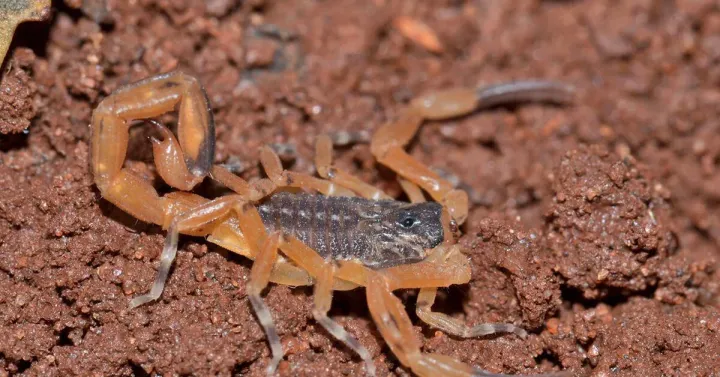
Description
How to identify
The Brazilian yellow scorpion is a member of the Buthidae family and is widely recognized as the most dangerous scorpion species in South America.
Adult specimens measure between 5 and 7 centimeters in length, showing a distinct pale yellow color with darker markings on the tail segments.
The species reproduces through parthenogenesis, meaning females can produce viable offspring without mating, allowing for rapid colonization of new areas.
These scorpions are nocturnal, spending daylight hours hidden in crevices, under bark, or within man-made agricultural structures such as irrigation pipes.
Their morphological structure, specifically the serrated edge on the tail, is a primary identification feature for agricultural safety officers.
What it damages
The Brazilian yellow scorpion does not consume agricultural plants and causes no direct damage to crops, roots, or fruits in the traditional sense.
The primary concern for the agricultural sector is the high risk of human injury, as these scorpions are highly venomous and aggressive when threatened.
Agricultural labor involved in manual harvesting or field maintenance is at constant risk of envenomation, which can cause severe health complications.
Fatalities can occur among children or vulnerable individuals, making the presence of this species a liability for farming operations and plantation management.
The scorpion's presence often results in higher operational costs due to the need for personal protective equipment and increased workforce safety protocols.
Control measures
Effective management focuses on environmental modifications, such as clearing debris, woodpiles, and rocks that serve as daytime shelters for the scorpions.
Sanitation is key; maintaining clean storage areas and removing organic refuse around agricultural plots discourages scorpions from settling near working sites.
Employees should be required to wear appropriate safety gear, such as heavy-duty boots and gloves, when handling crops or working near potential hideouts.
While chemical control is possible, the scorpions' ability to hide in deep crevices makes targeted application difficult, requiring systematic monitoring.
- Elimination of hiding places like debris and wood
- Mandatory use of high-durability safety footwear
- Regular inspection of storage and irrigation areas
- Comprehensive staff safety and first-aid training
Taxonomy
- Latin name
- Tityus serrulatus
- Family
- Buthidae
- EPPO code
- TITYSE
Discussion
No discussions yet — be the first.