
Timocratica
Timocratica
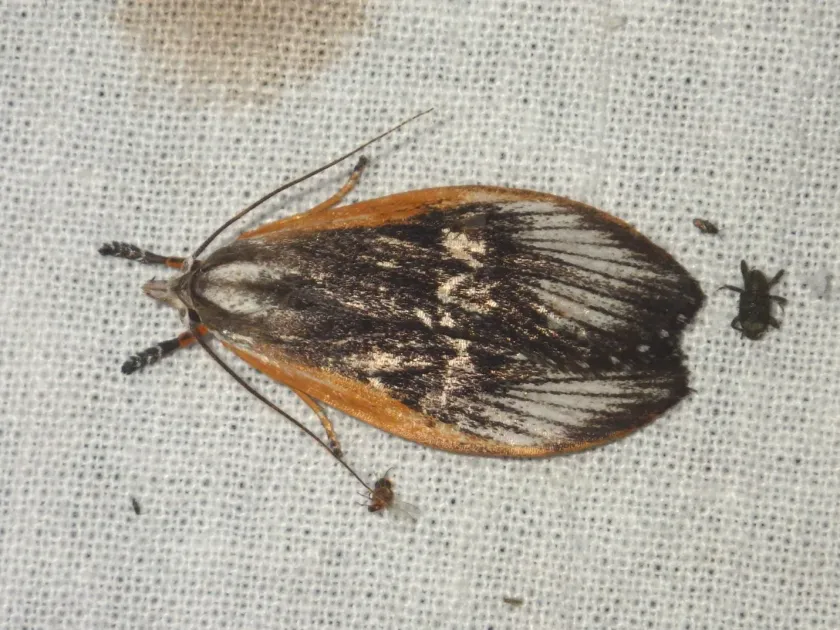
Description
How to identify
The genus Timocratica belongs to the family Autostichidae within the order Lepidoptera. These insects are small moths that predominantly exhibit nocturnal activity, making them difficult to spot during daylight.
The larvae, or caterpillars, are specialized wood-borers. They possess strong mandibles capable of creating tunnels within the woody tissues of various host plants.
Adult moths are typically characterized by cryptic coloration, usually shades of gray or brown, providing excellent camouflage against tree bark where they rest during the day.
Their life cycle includes complete metamorphosis: egg, larva, pupa, and adult. Each stage is tightly regulated by environmental cues such as temperature and humidity.
Identification at the species level usually requires expert examination of genital structures; however, field diagnostics focus on characteristic tunnel patterns and wood damage.
What it damages
The damage is caused primarily by the larvae. They bore deep into the trunks and branches of woody plants, effectively disrupting the vascular system that transports water and nutrients.
By consuming the xylem and cambium, these larvae weaken the structural integrity of the tree, making it prone to wind breakage and significant physiological stress.
Continuous tunnel development leads to the gradual decline of the plant, often resulting in crown dieback and, in cases of severe infestation, the death of the entire tree.
Host plants include a variety of orchard trees, forest species, and ornamental shrubs. High populations of this pest can lead to substantial economic losses in timber or fruit production.
Furthermore, the physical wounds created by the larvae serve as entry points for secondary pathogens, such as fungi and bacteria, which exacerbate the damage to the woody tissues.
When it appears
Adult activity, including mating and oviposition, typically peaks during the warm months, ranging from late spring through the height of summer.
The larvae are active throughout the growing season, feeding continuously to accumulate the energy required for their development and eventual pupation.
Overwintering usually occurs in the larval or pupal stage. The insects remain safely tucked inside their galleries within the wood, which provides insulation against winter temperatures.
Activity resumes in the spring as soon as temperatures rise, allowing the larvae to expand their tunnels or begin their final maturation phase.
The timing of each life stage is highly dependent on regional climatic conditions, with warmer climates potentially supporting multiple generations per year.
Signs of infestation
The most reliable indicator of infestation is the presence of "frass"—a mixture of insect excrement and wood shavings—accumulating at the base of the tree or within bark crevices.
Small, circular entrance or exit holes on the surface of the bark are clear signs of larval activity. Sap or gum may sometimes exude from these wounds as a plant defense response.
Visible signs of decline include premature yellowing or wilting of the foliage, and the gradual dieback of specific branches or the top of the tree canopy.
- Visible holes in the tree bark (2–4 mm diameter).
- Piles of wood dust or frass near the trunk base.
- Canopy thinning and branch mortality.
- Unusual sap flow or bark cracking in infested areas.
In advanced stages, one might observe discolored bark or sunken patches indicating large internal galleries underneath the surface.
Control measures
Effective management requires an integrated approach, combining cultural practices with chemical interventions to minimize the impact of the pest.
Sanitation is paramount; pruning and disposing of infested branches during the dormant season helps to reduce the local population of the pest.
Applying contact or systemic insecticides during the moth flight period can effectively prevent adult females from laying eggs on the bark.
Maintaining optimal tree vigor through proper irrigation and nutrition increases the plant's ability to resist or recover from minor larval infestations.
For high-value trees, targeted treatment involving the injection of insecticides directly into larval galleries followed by sealing the entrance is a viable option.
Taxonomy
- Latin name
- Timocratica
- Order
- Lepidoptera (butterflies)
- Family
- Oecophoridae
- EPPO code
- TIMOSP
Discussion
No discussions yet — be the first.