
Antaeotricha
Antaeotricha
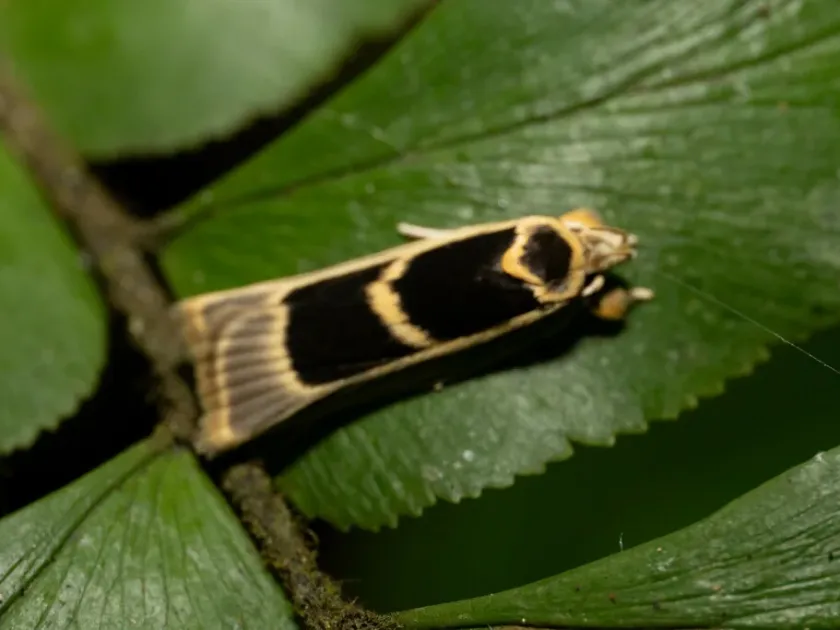
Description
How to identify
Antaeotricha is a genus of moths belonging to the Depressariidae family within the order Lepidoptera. These moths are typically small, with cryptic coloration that allows them to blend in seamlessly with tree bark, making them difficult to detect during daylight hours.
The larvae are known for their intricate patterns and their ability to produce silk, which they use to construct protective nests within folded leaves. Adult identification is often challenging due to their morphological similarity to other related moth species.
Their life cycle consists of four distinct stages: egg, larva (caterpillar), pupa, and adult (imago). The pupal stage is often spent in a protective silken cocoon hidden in bark crevices or among leaf litter on the ground.
The number of generations per year varies depending on regional climate conditions, with warmer climates often supporting multiple overlapping generations of this pest.
Knowledge of their specific developmental stages and seasonal timing is essential for effective monitoring and successful management in professional agricultural settings.
What it damages
Antaeotricha larvae are known to cause damage to a wide range of deciduous trees and shrubs, including various fruit-bearing crops. They are primary defoliators that feed aggressively on young foliage and developing buds.
The damage starts with skeletonizing leaves, eventually leading to the total destruction of leaf tissue. This loss of surface area significantly impacts the tree's photosynthetic capacity, leading to stunted growth and reduced vigor.
By spinning silk to web leaves together, the caterpillars create protected environments that shield them from predators, environmental stresses, and direct applications of chemical pesticides.
When infestation levels are high, the impact extends to the fruit production, as larvae may consume buds or developing fruits, leading to direct yield loss and decreased quality of the harvest.
Chronic infestations over successive seasons can lead to severe tree stress, making the plants more susceptible to secondary pathogens and drought conditions.
Control measures
An effective management strategy for Antaeotricha involves an Integrated Pest Management (IPM) approach. The foundation of this strategy is monitoring to ensure timely intervention before the pest reaches economic damage thresholds.
Cultural practices, such as the pruning and destruction of infested branches during winter dormancy, are critical for reducing the overwintering population density of the pest.
Chemical control should be timed to target the young larvae when they are most vulnerable, usually shortly after egg hatching, before they have established large, protected silken nests.
- Use of pheromone traps to track adult flight activity.
- Application of microbial pesticides like Bacillus thuringiensis.
- Encouraging natural biological control agents such as predatory wasps.
- Removal of leaf litter to eliminate pupation sites.
- Maintaining healthy tree vigor to withstand minor defoliation events.
Implementing these measures reduces the reliance on broad-spectrum insecticides and promotes a more sustainable orchard environment, preserving beneficial insect populations.
Taxonomy
- Latin name
- Antaeotricha
- Order
- Lepidoptera (butterflies)
- Family
- Oecophoridae
- EPPO code
- ANAESP
Discussion
No discussions yet — be the first.