
Antaeotricha schlaegeri
Antaeotricha schlaegeri
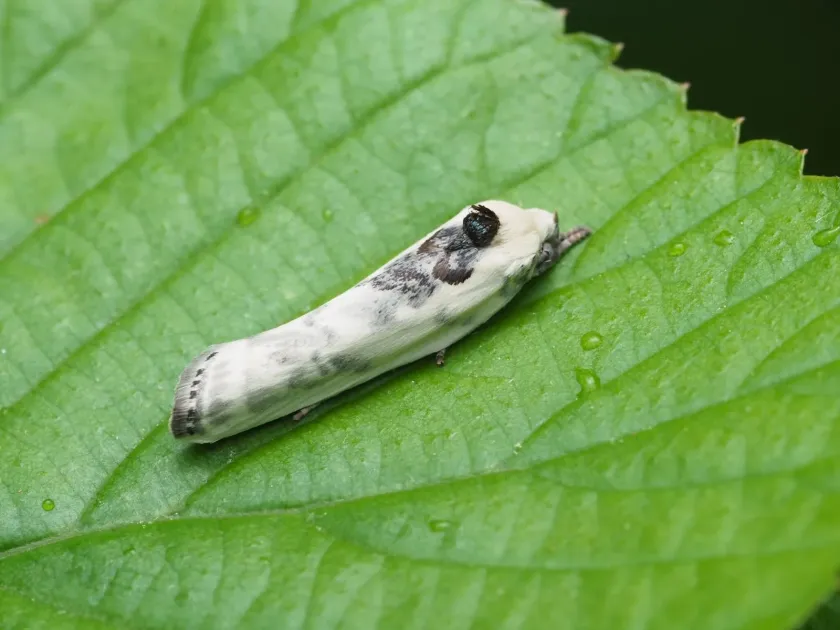
Description
How to identify
Antaeotricha schlaegeri is a moth species belonging to the family Depressariidae, known for its specific impact on the foliage of oak and related tree species.
The adult moth is relatively small, with cryptic coloration that allows it to blend seamlessly into the bark of its host tree, providing excellent protection against predators.
The larvae, or caterpillars, are the primary stage responsible for plant damage; they possess a distinct appearance that often changes slightly as they molt through their instars.
The insect follows a complete metamorphosis life cycle, transitioning from egg to larva, pupa, and finally to the adult moth, with each stage requiring specific environmental conditions.
The pupal stage is generally spent in the soil or within the leaf litter, which is a critical detail for determining the timing of intervention strategies.
What it damages
The primary host for Antaeotricha schlaegeri is the oak tree (Quercus species), which provides the necessary nutrition for the larvae to grow and mature successfully.
In dense forest stands or residential landscapes, these larvae can cause significant defoliation, affecting the overall physiological health of the infested trees.
Feeding larvae skeletonize the leaves or consume entire leaf blades, which disrupts the tree's photosynthetic ability and restricts its energy storage for the next season.
Repeated yearly infestations can lead to crown dieback and significantly reduce the wood increment, which is a major concern for forestry management.
Furthermore, weakened trees become highly susceptible to secondary attacks from wood-boring insects and various fungal pathogens that exploit the damaged tissue.
Signs of infestation
One of the most noticeable signs is the presence of rolled or folded leaves, which the caterpillars tie together using silk threads to create protective enclosures.
Frass (larval excrement) accumulation on leaves below the feeding sites is a reliable indicator that an active infestation is occurring within the tree's canopy.
Skeletal leaf patterns are frequently seen, where the soft tissues have been eaten away, leaving only the complex network of leaf veins behind.
In severe infestation cases, a general thinning of the canopy becomes apparent, often leading to discoloration as the damaged leaves dry out and wither.
Increased activity of avian predators or predatory wasps around the tree canopy can also serve as a biological indicator of a high concentration of larvae.
Control measures
Chemical control involving systemic insecticides is most effective when applied at the onset of larval emergence, before extensive foliage webbing occurs.
Cultural control measures, such as the removal and proper disposal of leaf litter, are essential to destroy pupae that overwinter in the soil or organic debris.
Biological control using Bacillus thuringiensis sprays provides an effective and environmentally friendly way to reduce caterpillar populations without disrupting local ecosystems.
Encouraging natural predators, such as insectivorous birds and beneficial arthropods, is a sustainable method for long-term population suppression of the moth.
- Regular monitoring of canopy density during the spring.
- Use of pheromone traps to detect adult moth flight.
- Timely pruning of infested twigs in nursery settings.
Taxonomy
- Latin name
- Antaeotricha schlaegeri
- Order
- Lepidoptera (butterflies)
- Family
- Oecophoridae
- EPPO code
- ANAESC
Discussion
No discussions yet — be the first.