
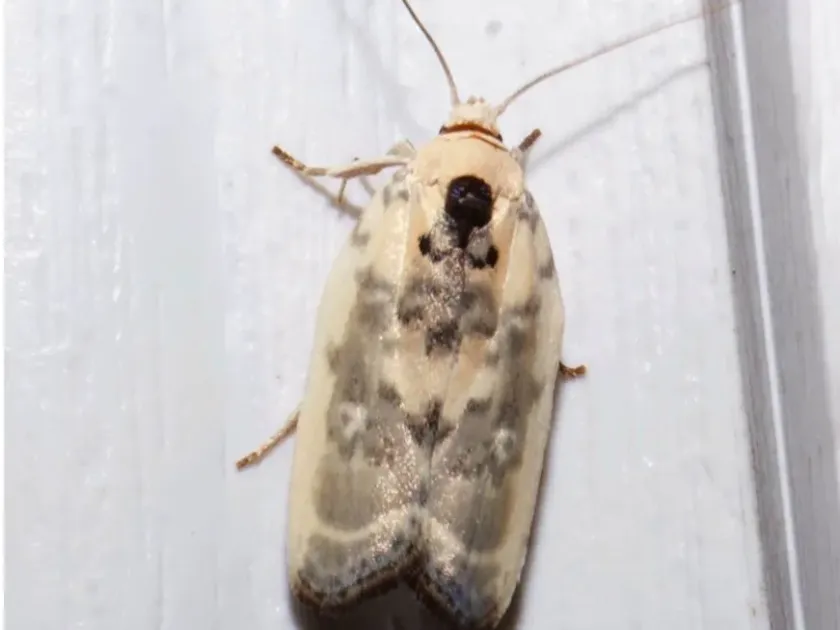
Antaeotricha leucillana
Antaeotricha leucillana
Description
How to identify
Antaeotricha leucillana is a species of moth within the Depressariidae family. As an adult, the moth is relatively small, with a wingspan and coloration that provides excellent camouflage against tree bark and foliage, making it difficult to detect during the day.
The larval stage, or caterpillar, is the primary period of activity for this pest. These caterpillars possess chewing mouthparts specifically evolved to feed on plant tissues. Throughout their growth, they undergo several molting stages, significantly increasing in size and feeding capacity.
Identification often relies on observing the damage left behind on foliage rather than locating the moths themselves. Entomologists and agronomists analyze the specific patterns of leaf webbing and feeding damage to confirm the presence of this species.
As a member of the order Lepidoptera, Antaeotricha leucillana has a life cycle typical of many fruit-tree moths. Accurate identification is essential for implementing the correct pest management strategy, as it may be confused with other related species in the field.
Advanced diagnostic methods, such as pheromone trapping or genetic barcoding, may be employed in professional research or large-scale orchard management to distinguish this specific moth from its close relatives within the Antaeotricha genus.
What it damages
This pest primarily targets members of the Rosaceae family, including apple, pear, and certain stone fruits. The caterpillars cause direct damage by feeding on leaves, buds, and occasionally young developing fruit, severely impacting the overall plant health.
The damage is twofold: physical loss of plant tissue and the disruption of photosynthesis. When caterpillars skeletonize the leaves, the tree loses energy production capacity, which directly results in reduced growth rates and poor fruit development.
In cases of high infestation, the larvae can damage flower buds before they even open, leading to significant yield reduction. Furthermore, the webbing produced by the larvae traps waste and debris, creating an environment susceptible to secondary fungal infections.
Young orchards are particularly vulnerable, as the larvae often attack the terminal buds of new shoots. This behavior can lead to malformed crown development, which affects the tree's architecture and future productivity long after the infestation is controlled.
Economically, the presence of this pest necessitates intervention. If left unmanaged, the cumulative damage across an entire orchard can lead to significant financial losses due to both decreased fruit quality and reduced total harvest volume.
When it appears
The life cycle of Antaeotricha leucillana is highly synchronized with the phenology of its host trees. The species typically overwinters as larvae, encased in protective cocoons hidden in tree bark crevices or among leaf litter beneath the canopy.
In the spring, as temperatures rise, the overwintered larvae emerge to feed on developing buds and tender young leaves. This timing aligns perfectly with the onset of the orchard's growing season, making it a critical time for monitoring.
Multiple generations occur throughout the growing season. As summer progresses, the population density can increase significantly if environmental conditions favor development, with larvae feeding actively through the warmest months.
Adult moths emerge in late spring and summer, primarily flying during twilight and nighttime hours. After mating, females lay eggs on the foliage, ensuring that newly hatched larvae have an immediate food source within the orchard canopy.
By autumn, the final generation of caterpillars prepares for diapause. Understanding these seasonal milestones allows orchard managers to plan targeted scouting and application of control measures during the most vulnerable stages of the insect's life cycle.
Signs of infestation
The most distinctive sign of an infestation is the presence of webbed or rolled leaves. Caterpillars use silk to bind leaves together, creating a protective shelter or «nest» where they feed and reside safely from predators.
Feeding damage is characterized by irregular holes and skeletonized leaf veins. As the season progresses, these damaged sections turn brown and necrotic, which often gives the tree a ragged, unhealthy appearance if the infestation is severe.
- Rolled or webbed leaves at the tips of new growth.
- Visible silk strands connecting leaf tissues.
- Brown, dried leaf segments resulting from larval grazing.
- Damaged buds that fail to bloom or fruit normally.
- Presence of frass (larval excrement) trapped within leaf nests.
While the larvae are cryptic, consistent orchard scouting reveals these symptoms. Observing the tree canopy carefully, especially the tips of new shoots, allows for the early detection and management of the pest before it reaches outbreak levels.
Control measures
Integrated pest management (IPM) for this species includes cultural practices like thinning and pruning infected branches. Removing twigs with webbing during the winter months helps reduce the overwintering larval population.
Biological control methods are highly effective and environmentally friendly. Utilizing bio-insecticides containing Bacillus thuringiensis or encouraging the presence of beneficial insects like parasitic wasps can keep larval populations under control.
When chemical intervention is required, contact and systemic insecticides should be applied during periods of peak larval activity, ideally after the blossom period. Rotating chemical classes is vital to prevent the development of insecticide resistance.
Pheromone traps are excellent tools for monitoring population trends and timing insecticide applications. By applying treatments only when adult activity spikes, growers can maximize effectiveness while minimizing the use of chemicals in the orchard.
Finally, maintaining general tree vigor through proper irrigation and fertilization ensures the orchard can better withstand minor feeding pressure. A balanced approach combining monitoring, biological aids, and precise chemical use ensures long-term crop protection.
Taxonomy
- Latin name
- Antaeotricha leucillana
- Order
- Lepidoptera (butterflies)
- Family
- Oecophoridae
- EPPO code
- ANAELE
Discussion
No discussions yet — be the first.