
Thyrinteina arnobia
Thyrinteina arnobia
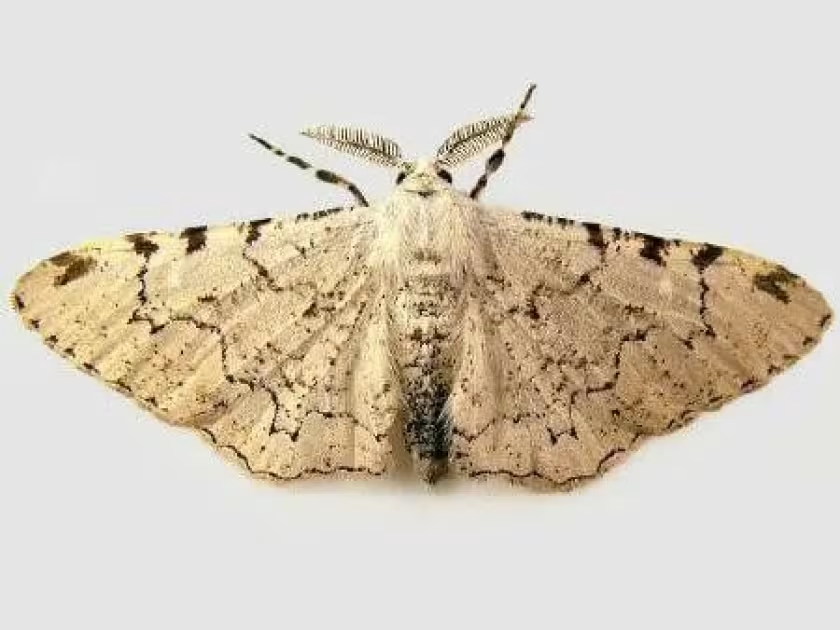
Description
How to identify
Thyrinteina arnobia is a species of moth belonging to the Geometridae family. It is a well-known forest pest, particularly in South American regions where eucalyptus plantations are extensive.
The adult moths are typically nocturnal, with a protective camouflage coloration that mimics tree bark. Their wingspan is moderate, and they are capable of rapid dispersal to find suitable host plants for oviposition.
The larval stage, or caterpillar, is the phase responsible for the most significant damage. Larvae go through several instars, with their size and feeding capacity increasing significantly as they mature.
Pupation occurs in protected areas of the tree canopy or within bark crevices. The lifecycle duration is highly dependent on ambient temperature and host plant quality.
Due to its high reproductive potential and ability to complete multiple generations within a year, it is classified as a primary pest in silviculture and forestry management.
What it damages
The primary host for Thyrinteina arnobia is the eucalyptus tree. Outbreaks can result in total defoliation, stripping thousands of hectares of forest of their green biomass.
Young larvae feed on tender leaves, while older, more voracious larvae consume mature foliage. This destruction halts photosynthesis, which is critical for the tree's survival and growth.
In addition to physiological stress, the loss of leaves affects the tree's carbon sequestration and overall vigor, making it prone to opportunistic pathogens and secondary pests.
Heavy infestations, especially when occurring repeatedly over several years, lead to significant growth suppression and, in extreme cases, the mortality of entire stands.
This economic damage impacts timber production yields and requires rigorous monitoring to ensure the long-term viability of industrial forestry operations.
Signs of infestation
The most striking sign of an infestation is the thinning of the canopy. As larvae progress, the trees appear sparse and eventually leafless, often leaving only the main woody veins behind.
Accumulation of frass (caterpillar droppings) on the forest floor is a definitive indicator of an active population currently feeding in the upper canopy.
Defoliated trees may exhibit stress symptoms such as premature leaf drop or weakened branches that are brittle and easily broken by wind.
During surveys, one can often spot the caterpillars using their characteristic "looping" movement, or staying motionless to mimic twigs when disturbed.
The presence of predators and parasitoids in abnormally high numbers can also signal a response to the massive availability of larval prey.
Control measures
Integrated Pest Management (IPM) is the preferred approach for controlling this pest, focusing on biological rather than purely chemical interventions.
Microbial insecticides, particularly formulations containing Bacillus thuringiensis, are widely used as they are effective against larvae while minimizing environmental impact.
Pheromone-based monitoring systems are essential for early detection, allowing forest managers to track moth flight and determine the precise timing for control actions.
Biological control through the release or conservation of natural enemies, including parasitoid wasps and predatory insects, is a sustainable way to keep populations below economic thresholds.
Silvicultural management, such as maintaining stand diversity and ensuring tree health, helps reduce the risk of large-scale outbreaks, making forests more resilient to pest pressure.
Taxonomy
- Latin name
- Thyrinteina arnobia
- Order
- Lepidoptera (butterflies)
- Family
- Geometridae
- EPPO code
- THRNAR
Discussion
No discussions yet — be the first.